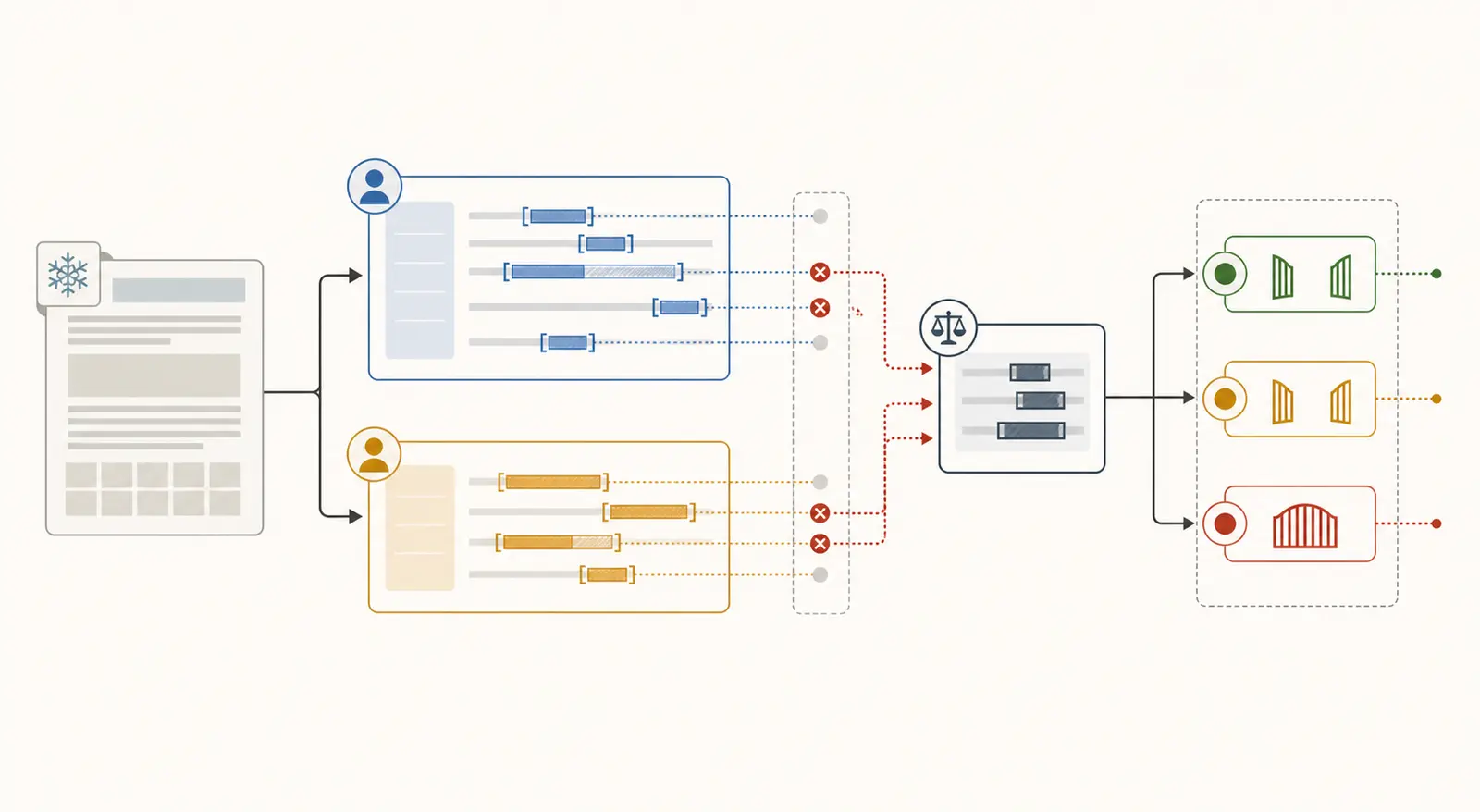
What Evidence Should Domain Experts Collect About Operator Agreement?
A versioned operator-agreement packet preserves reviewer evidence, disagreement, adjudication, AI reruns, and bounded release decisions.
Read the field noteField notes for people shipping AI
A versioned operator-agreement packet preserves reviewer evidence, disagreement, adjudication, AI reruns, and bounded release decisions.
Read the field note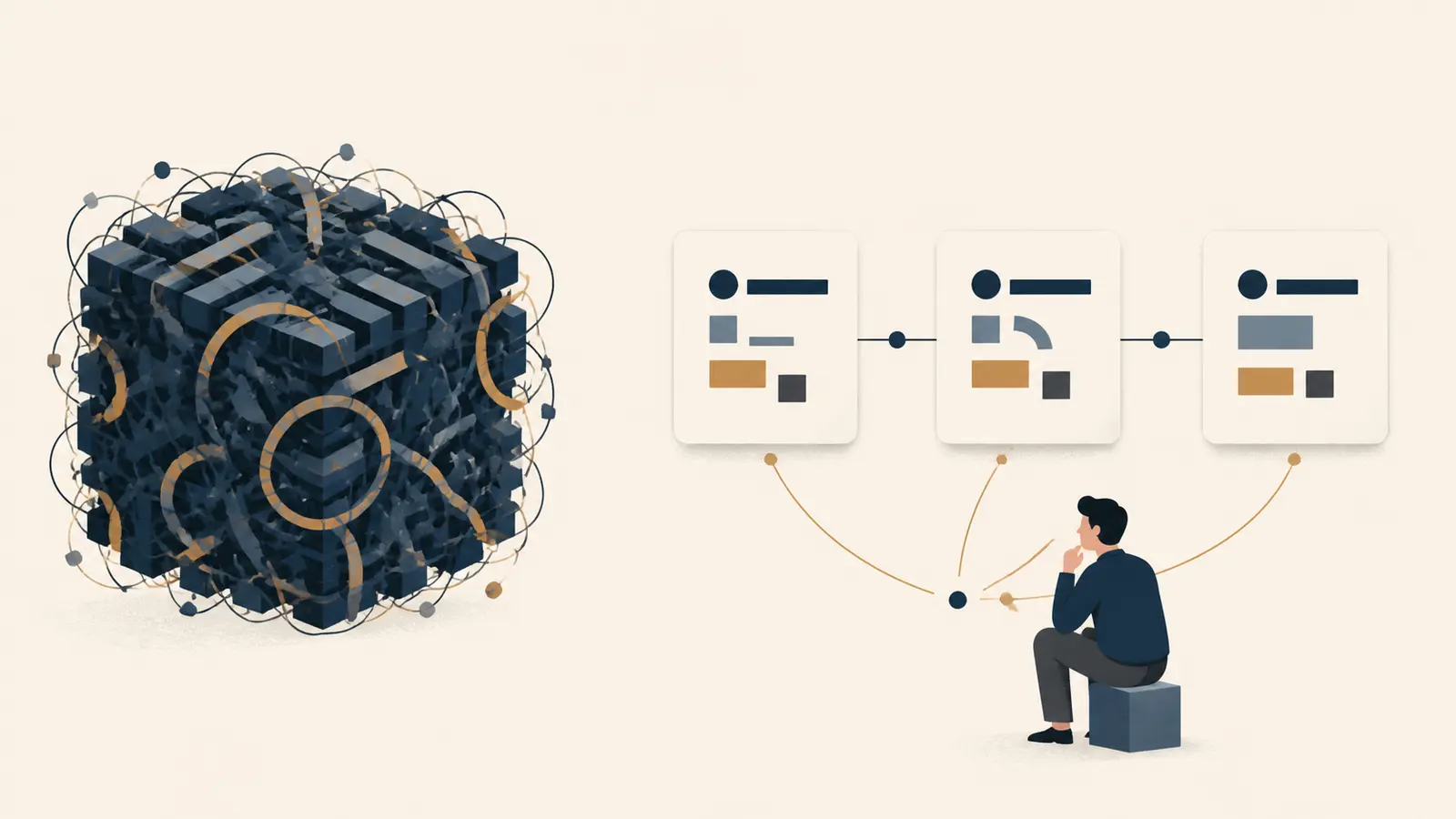
implementation · 8 min
implementation · 8 min
evaluation · 13 min
architecture · 10 min
implementation · 14 min

capability · 10 min
implementation · 9 min
opportunity · 13 min

opportunity · 15 min
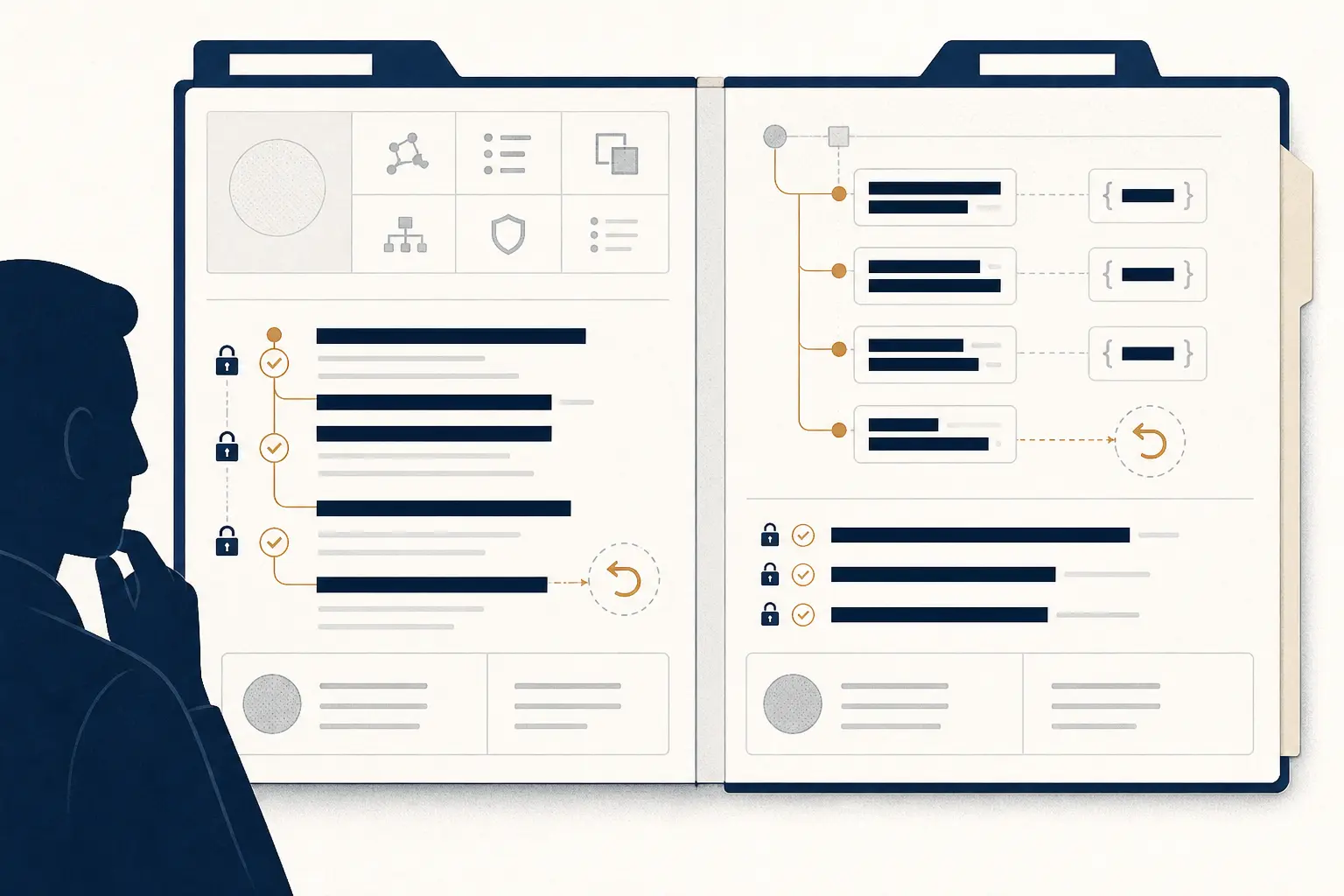
architecture · 11 min
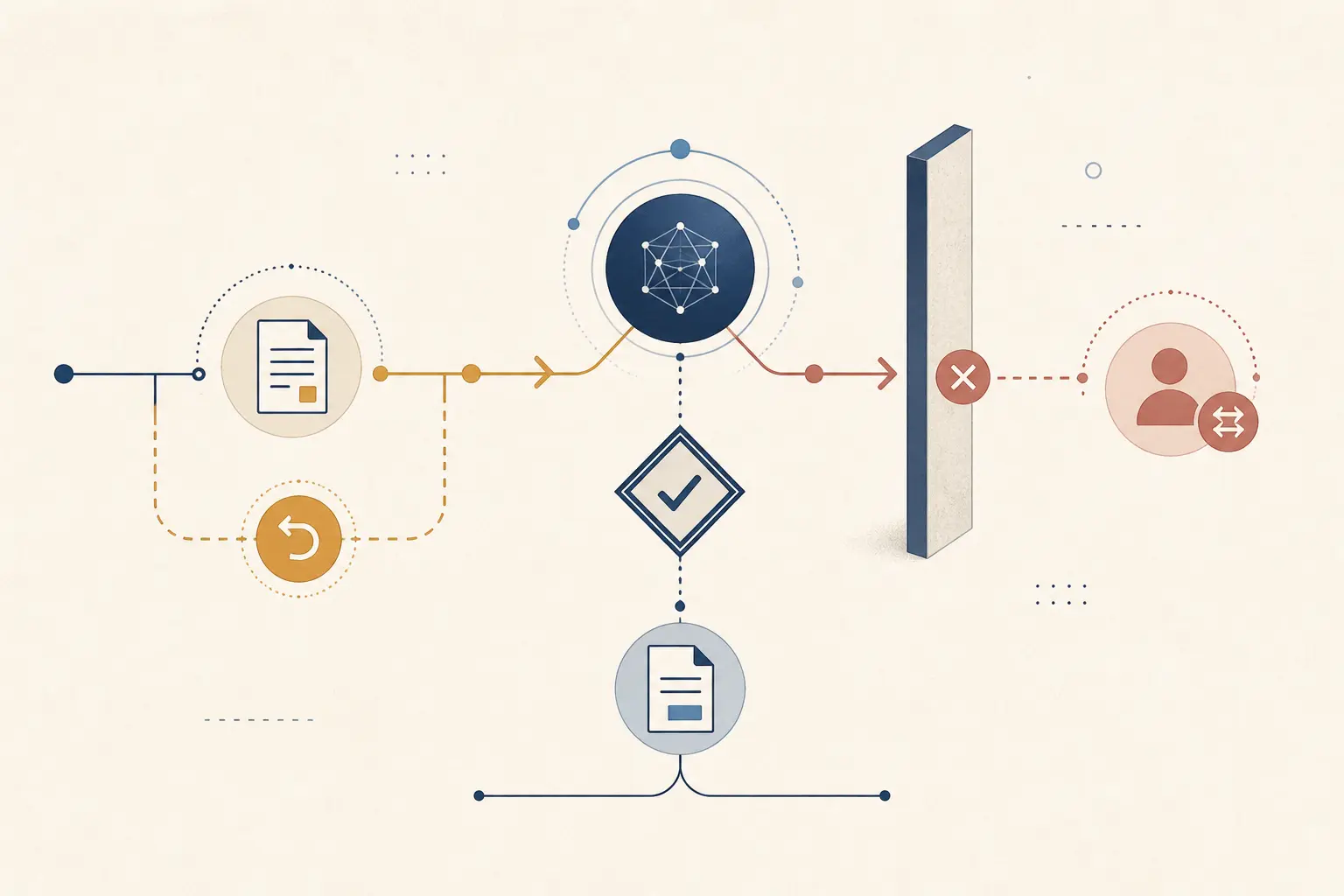
implementation · 9 min
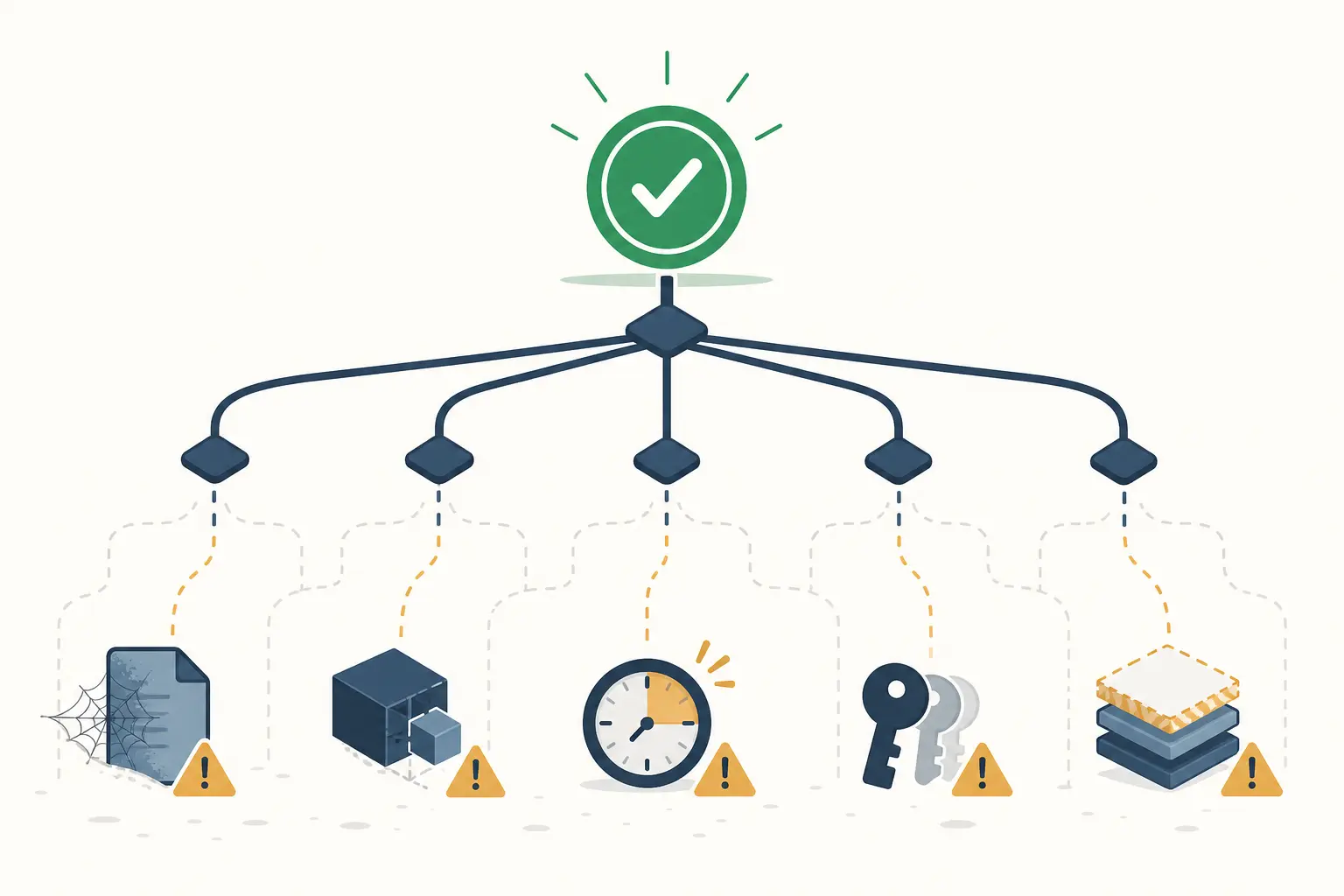
opportunity · 8 min
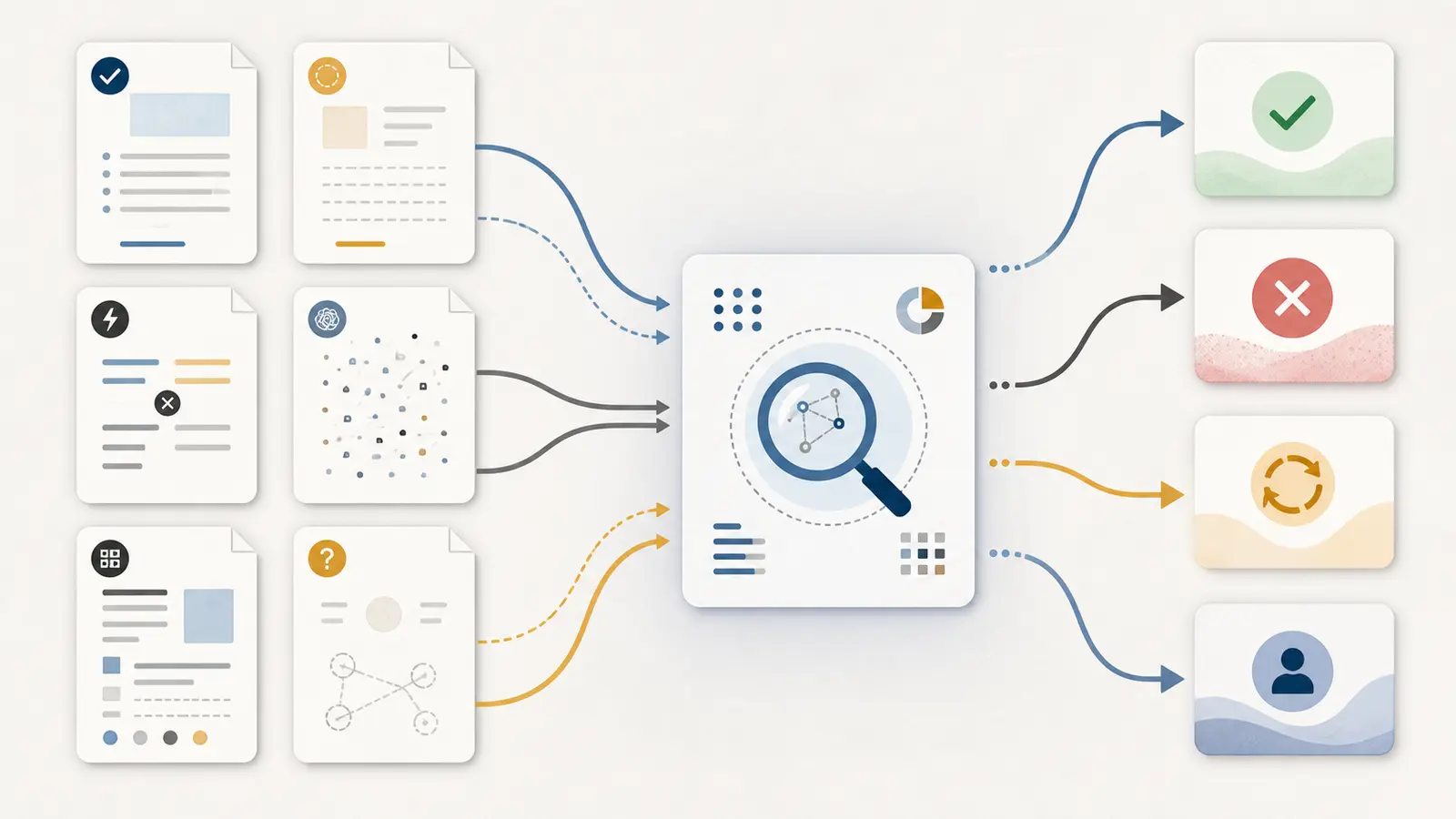
opportunity · 9 min

implementation · 11 min
architecture · 7 min
implementation · 9 min
architecture · 9 min
opportunity · 10 min
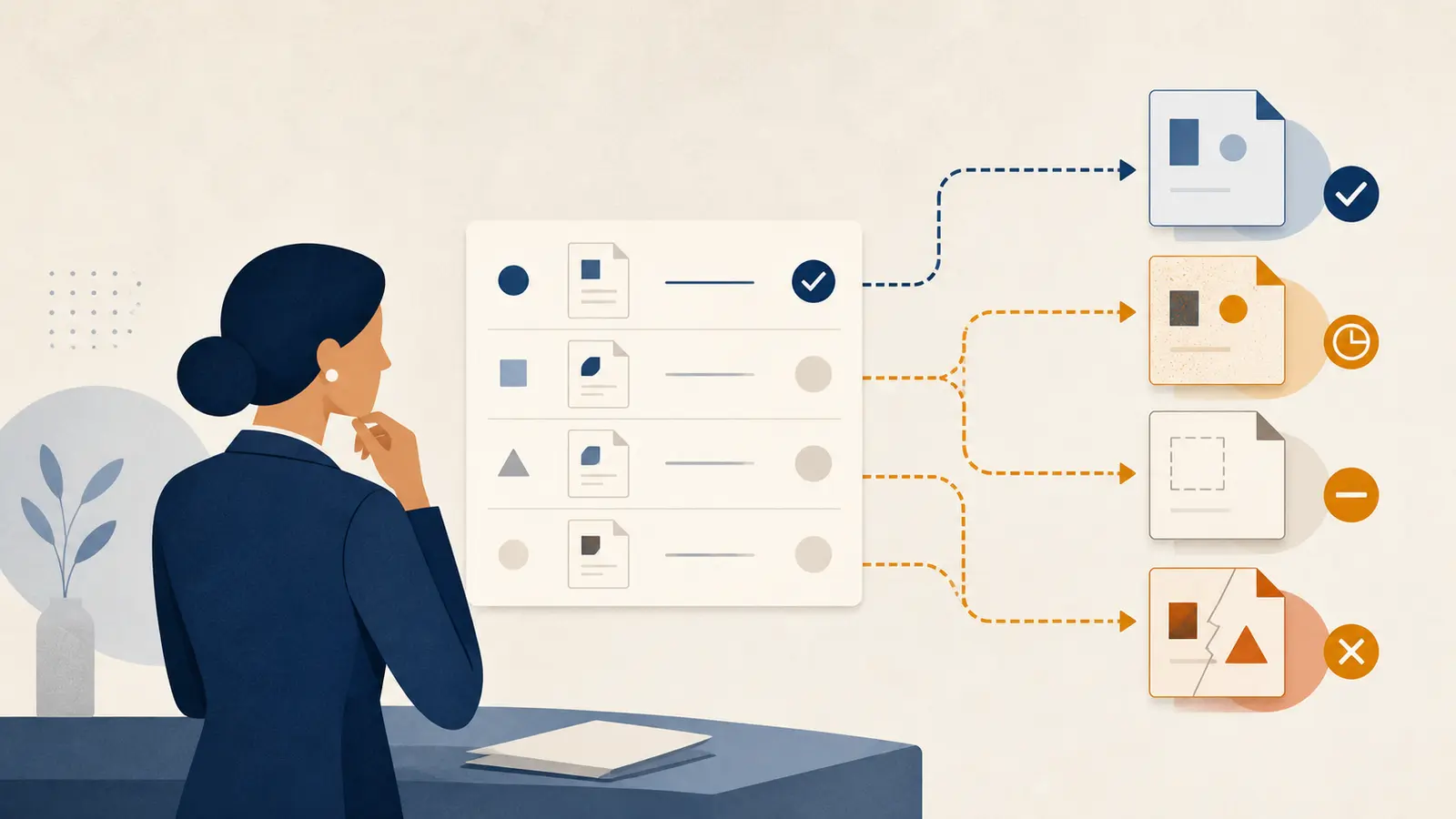
opportunity · 11 min
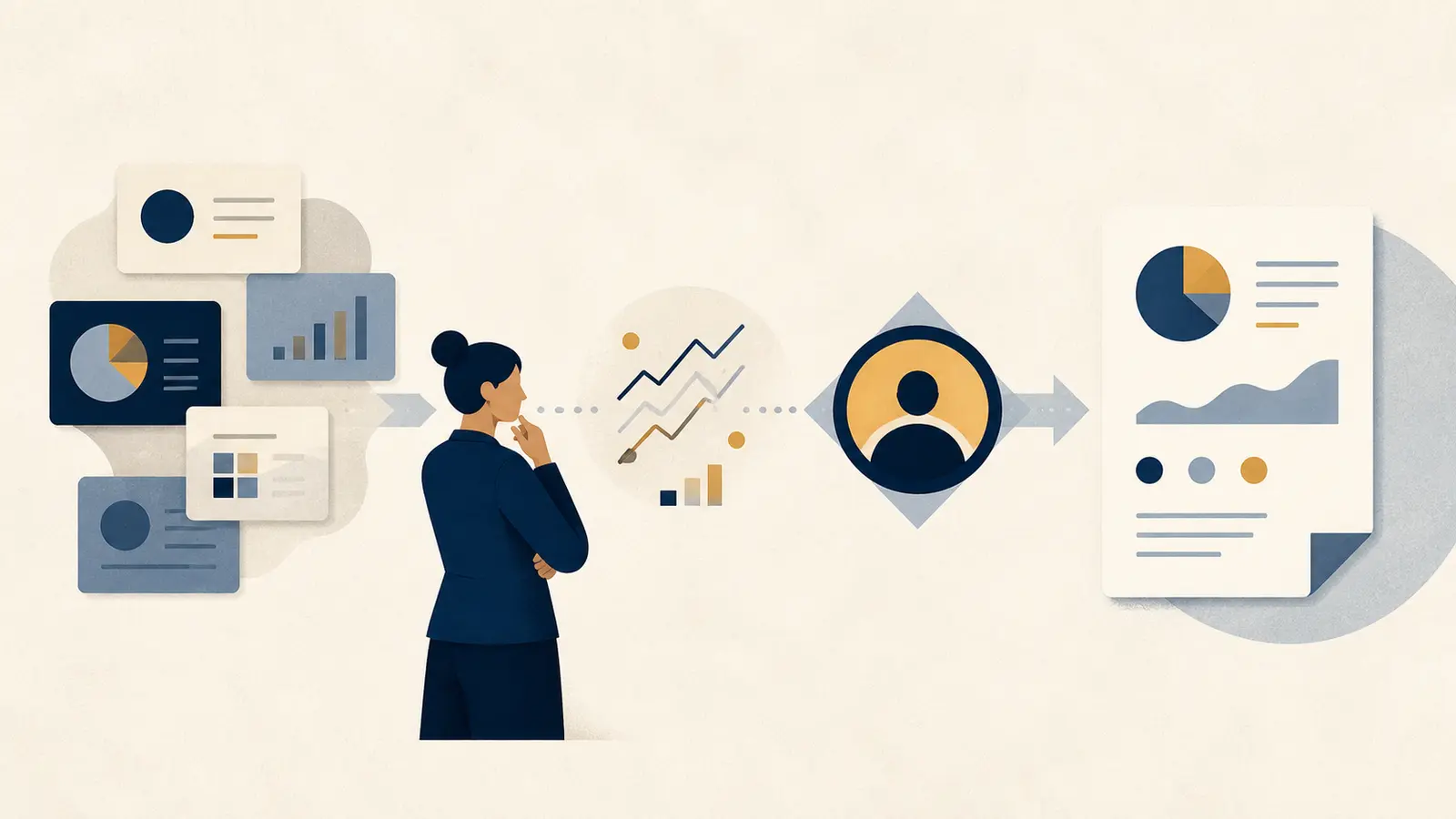
opportunity · 12 min
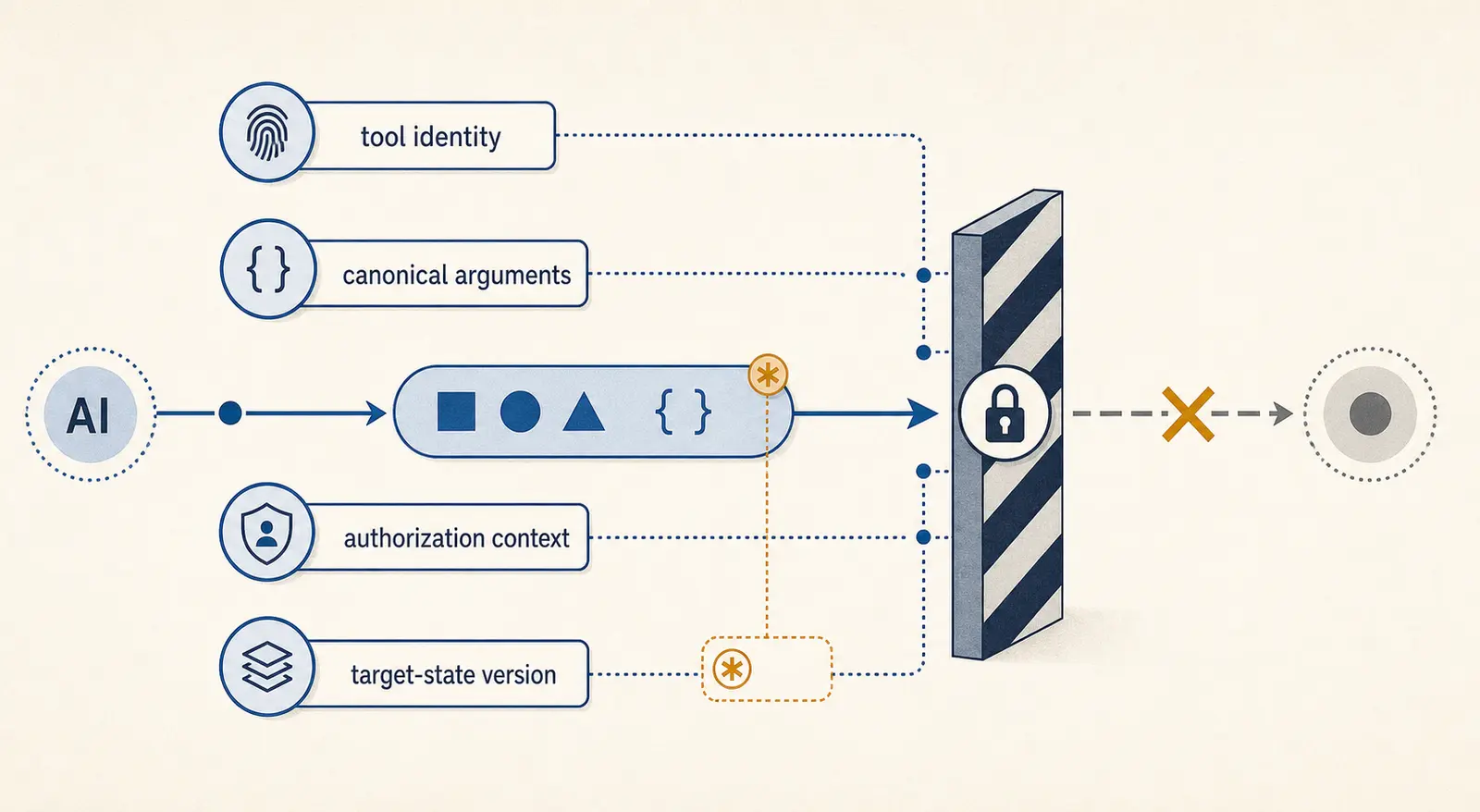
implementation · 10 min
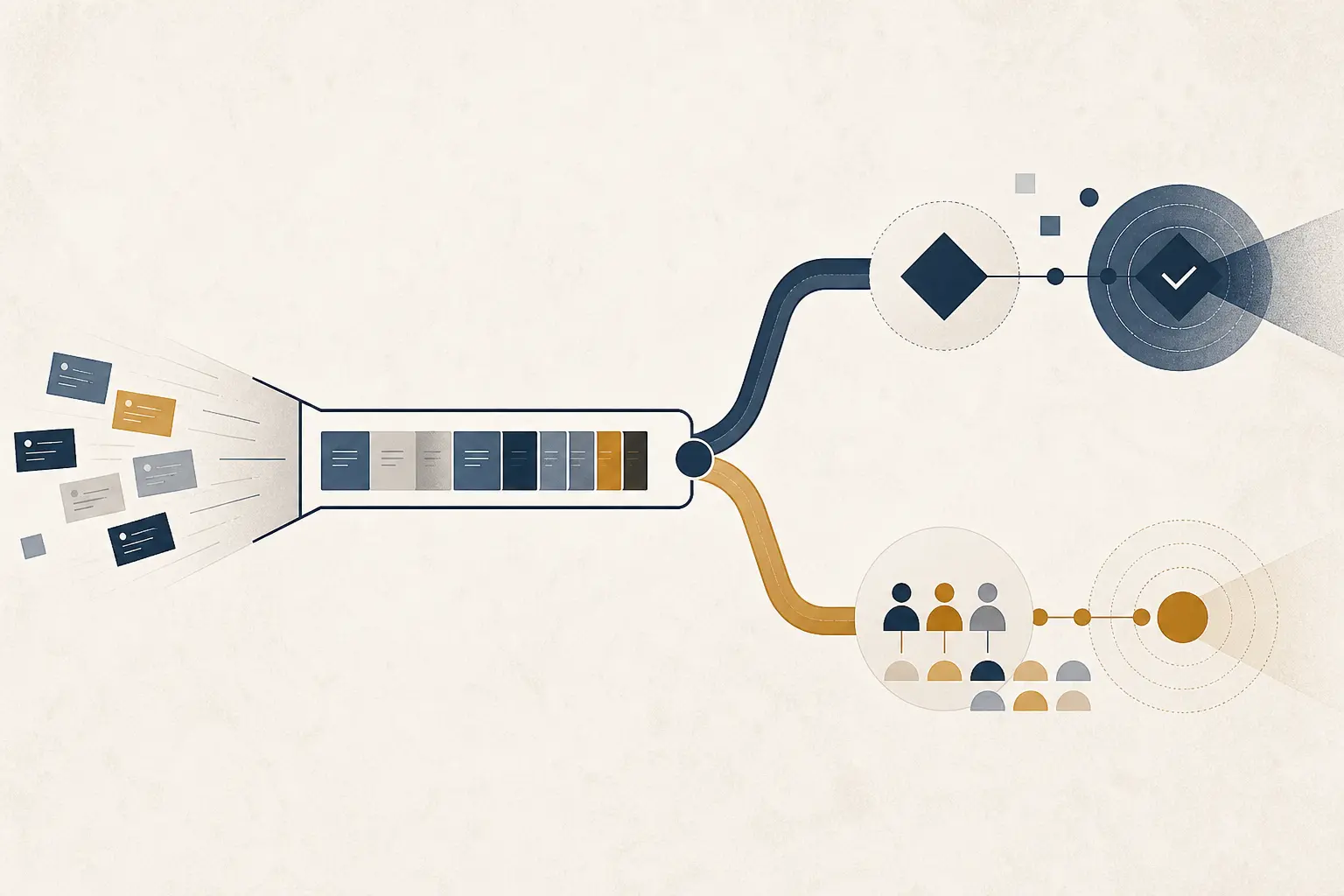
opportunity · 12 min
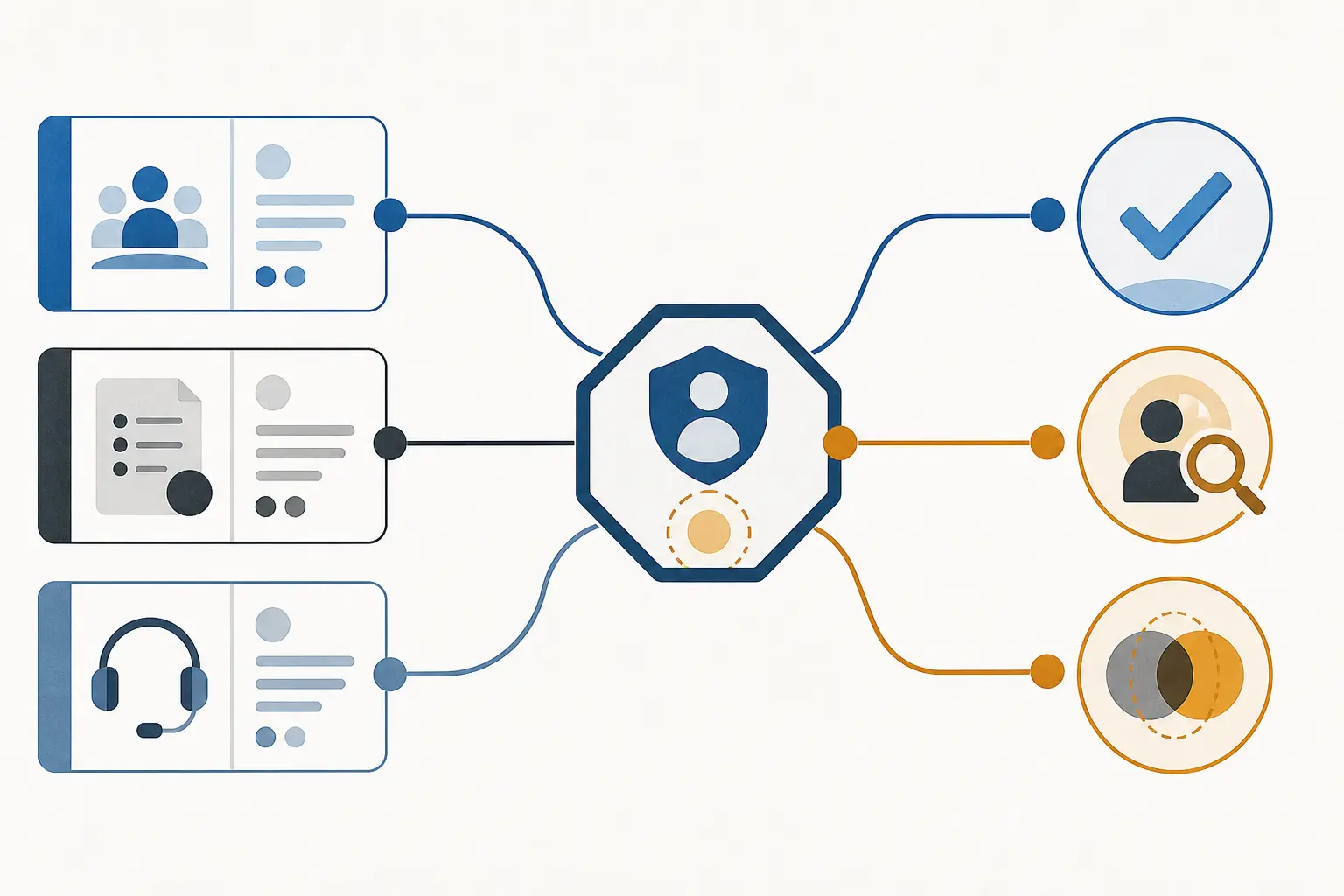
architecture · 7 min
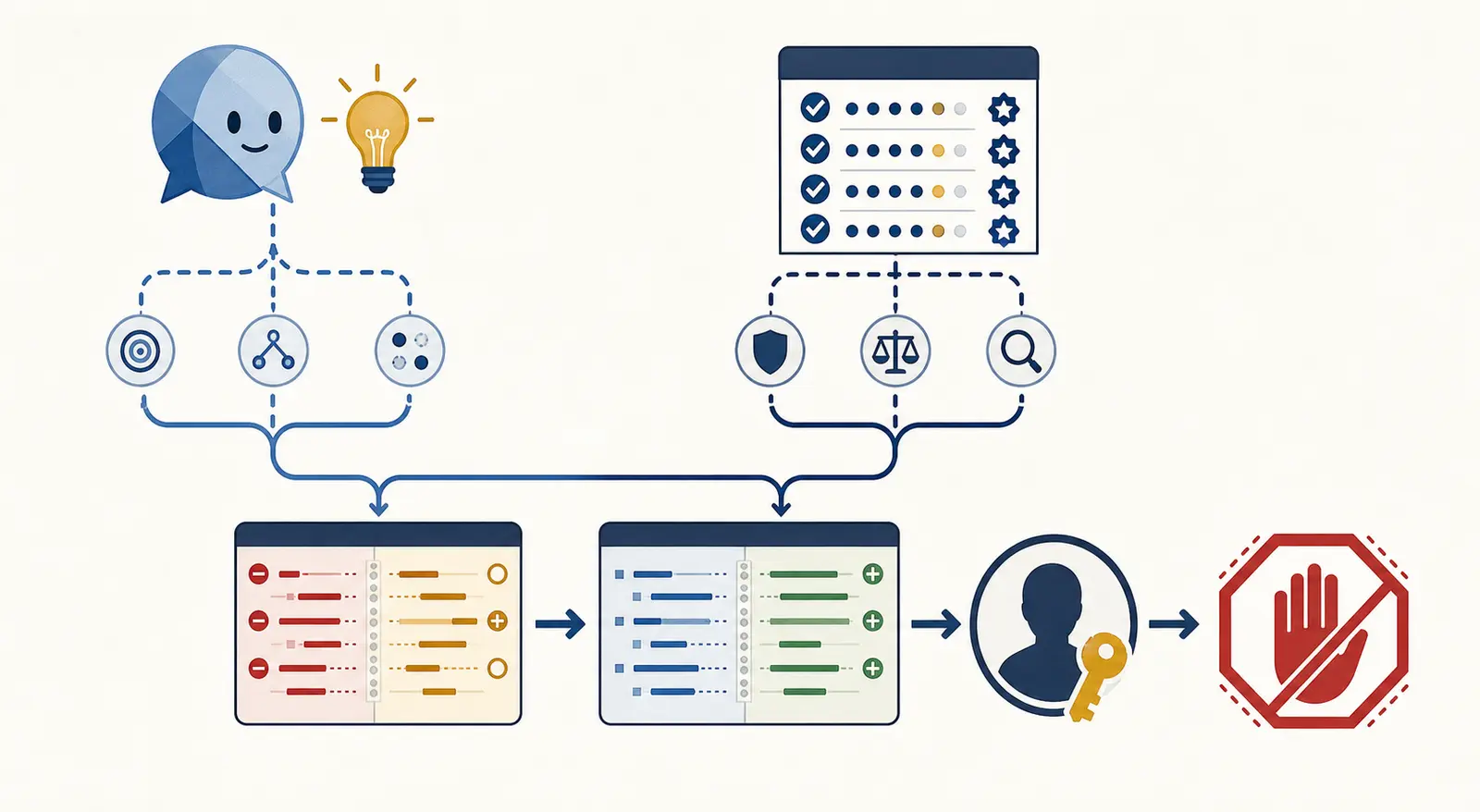
commercial · 10 min
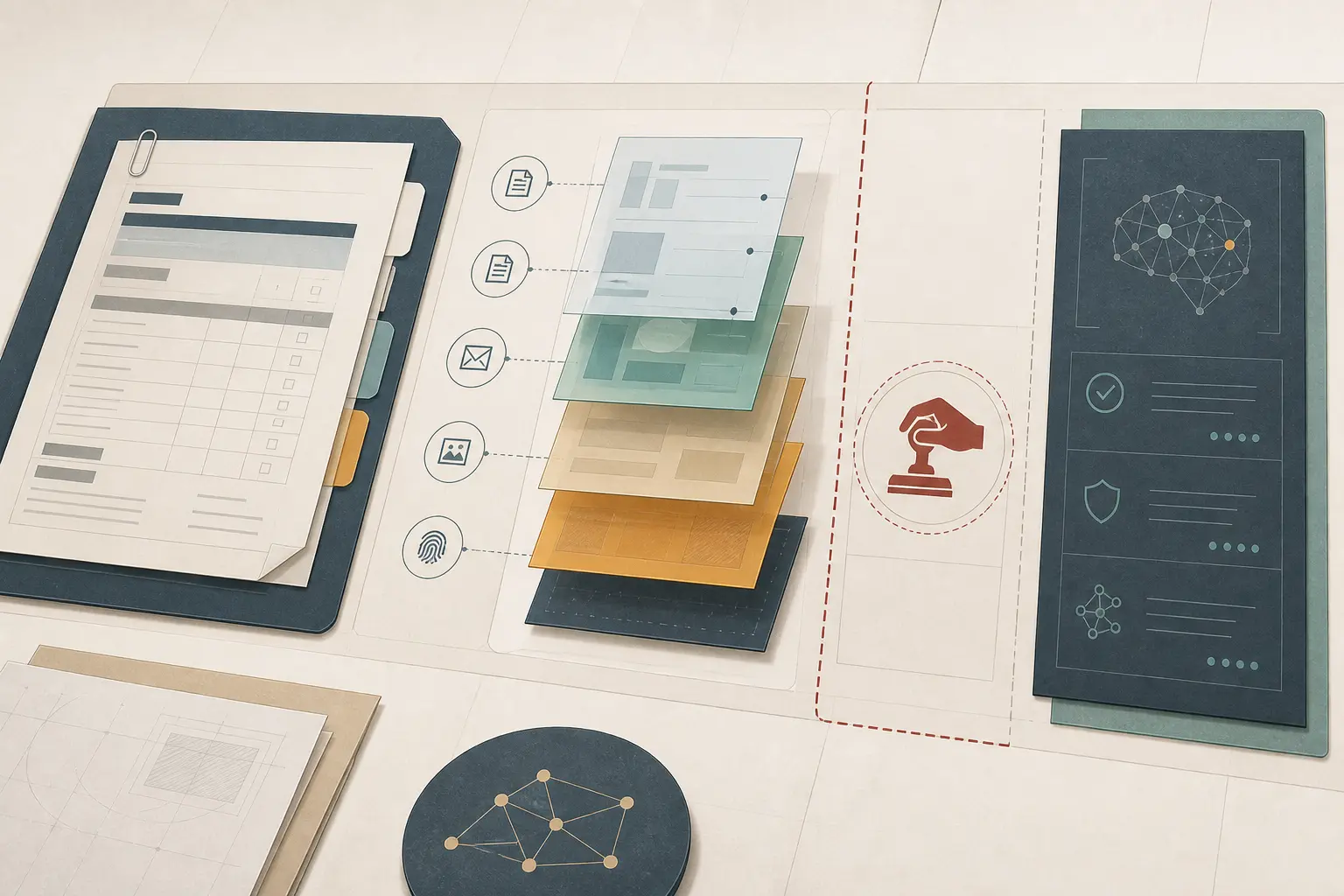
evaluation · 13 min
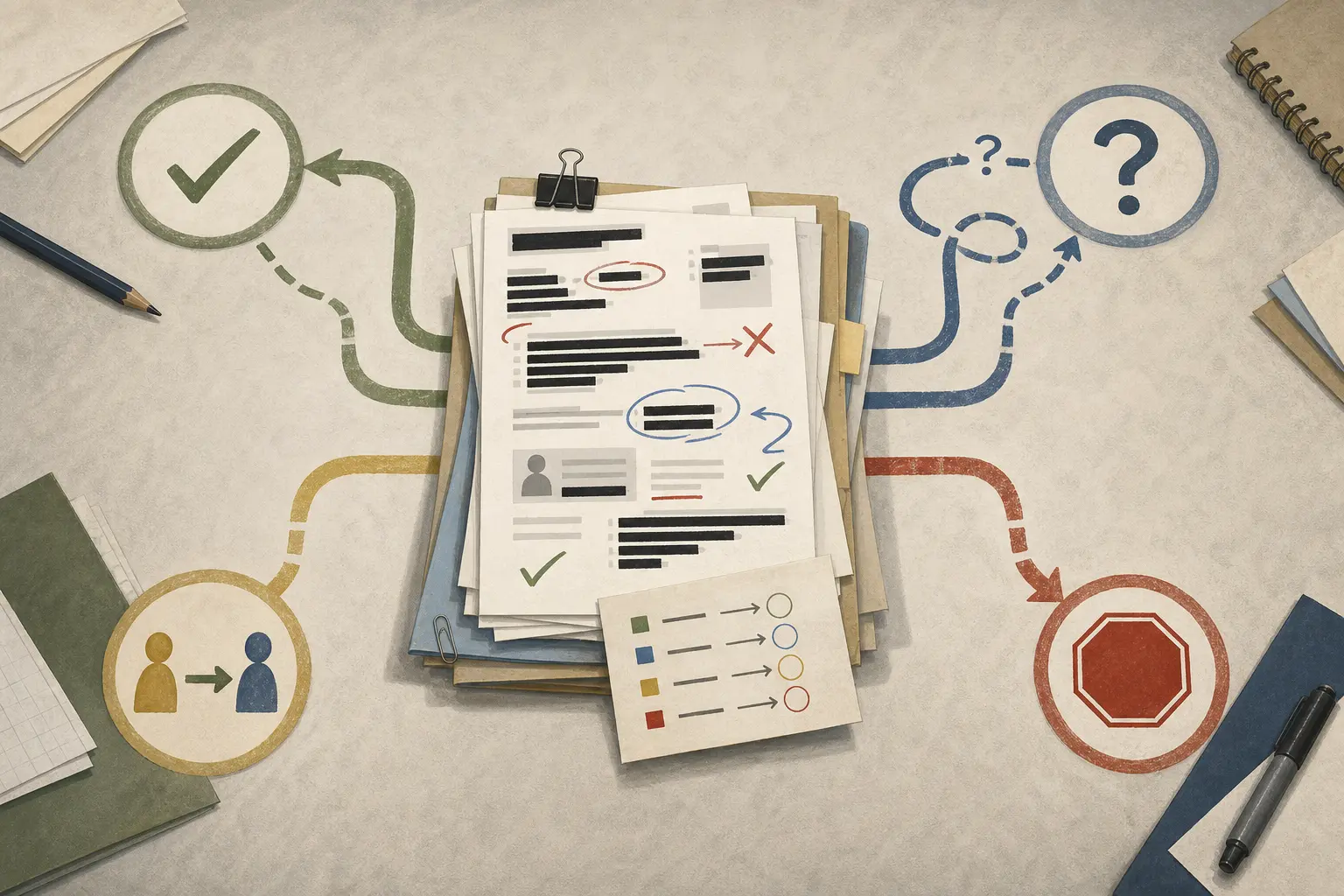
capability · 8 min
implementation · 10 min
opportunity · 11 min
evaluation · 10 min

implementation · 9 min

opportunity · 12 min
evaluation · 9 min
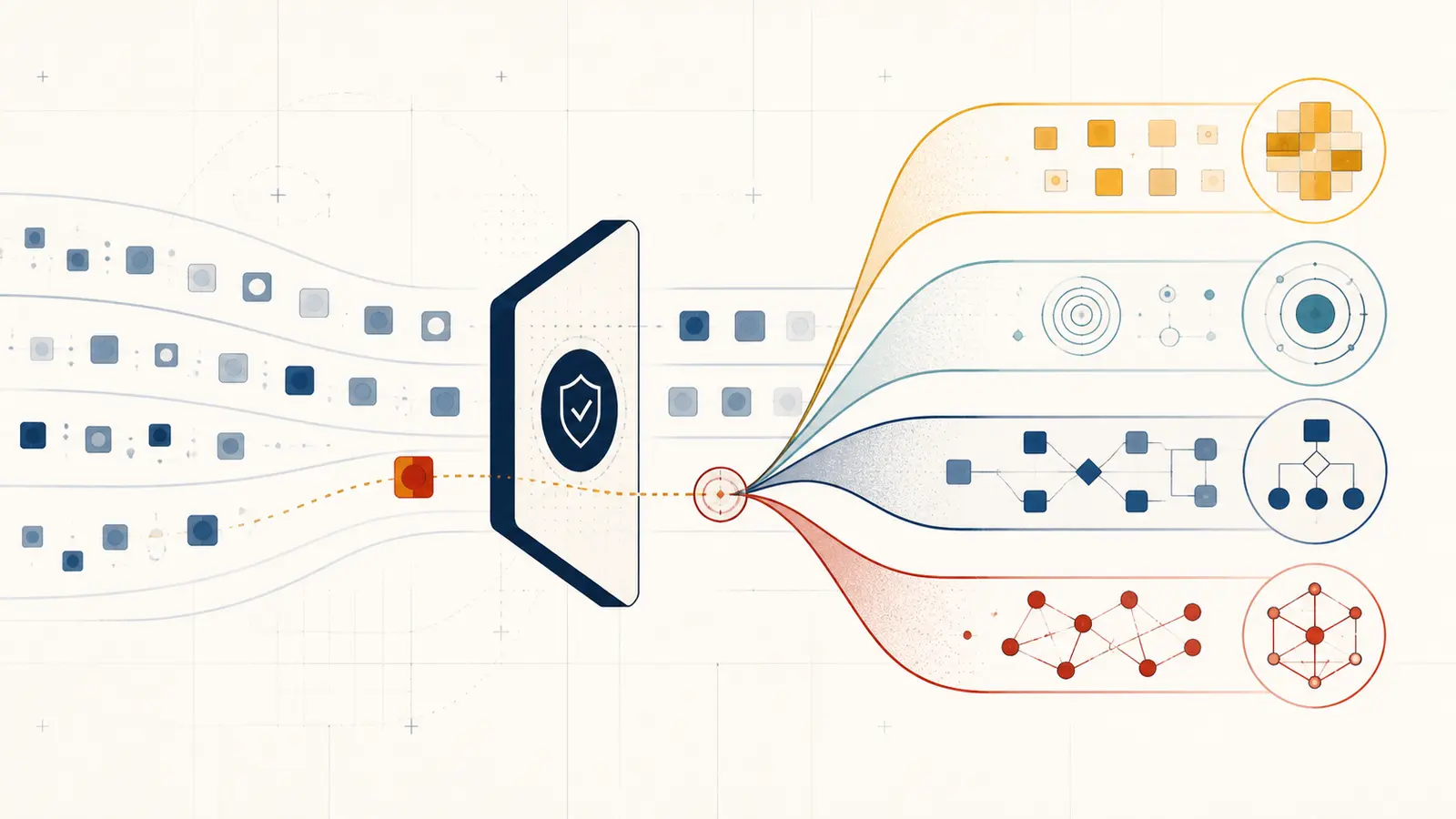
implementation · 10 min
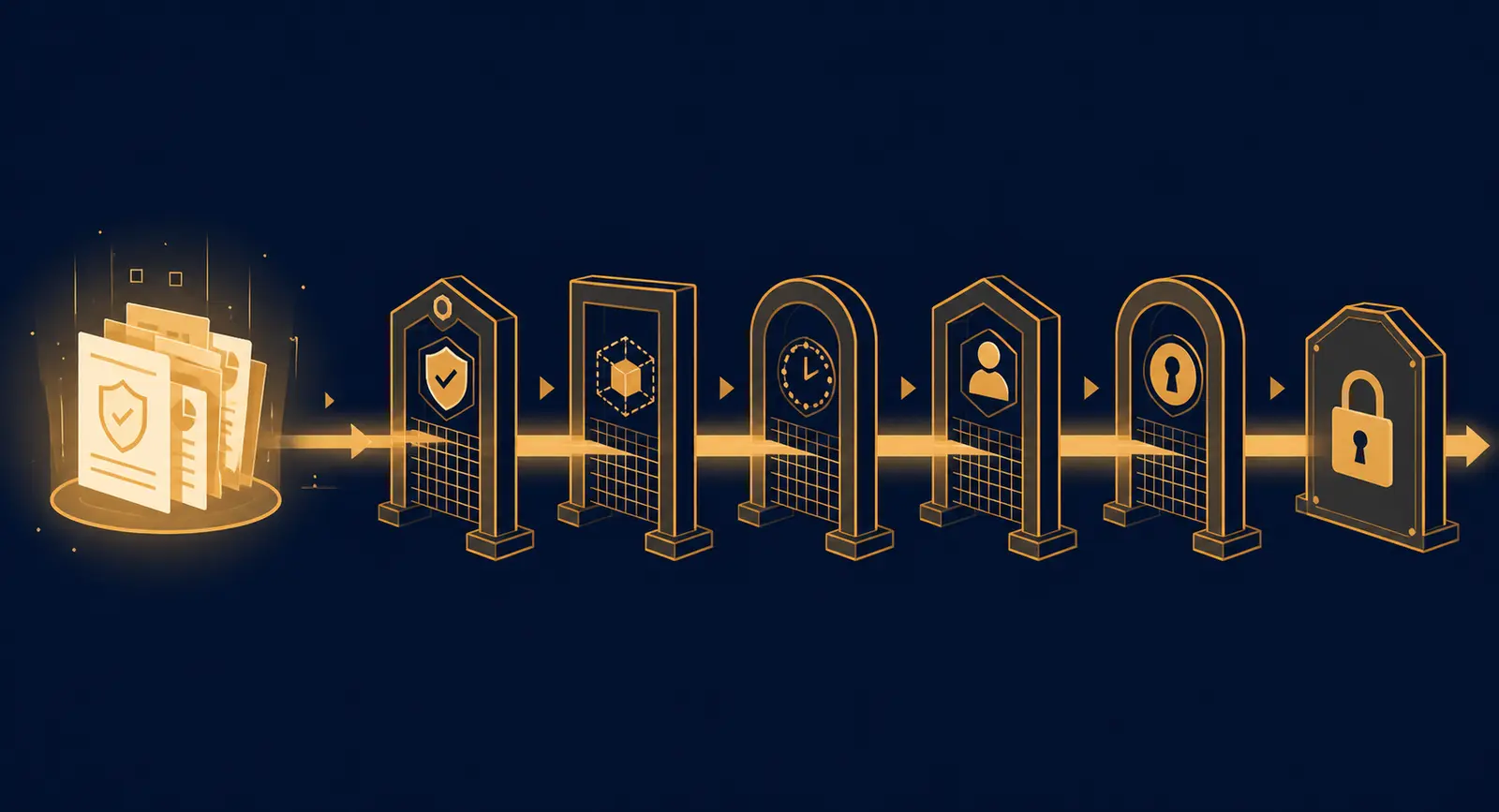
implementation · 14 min
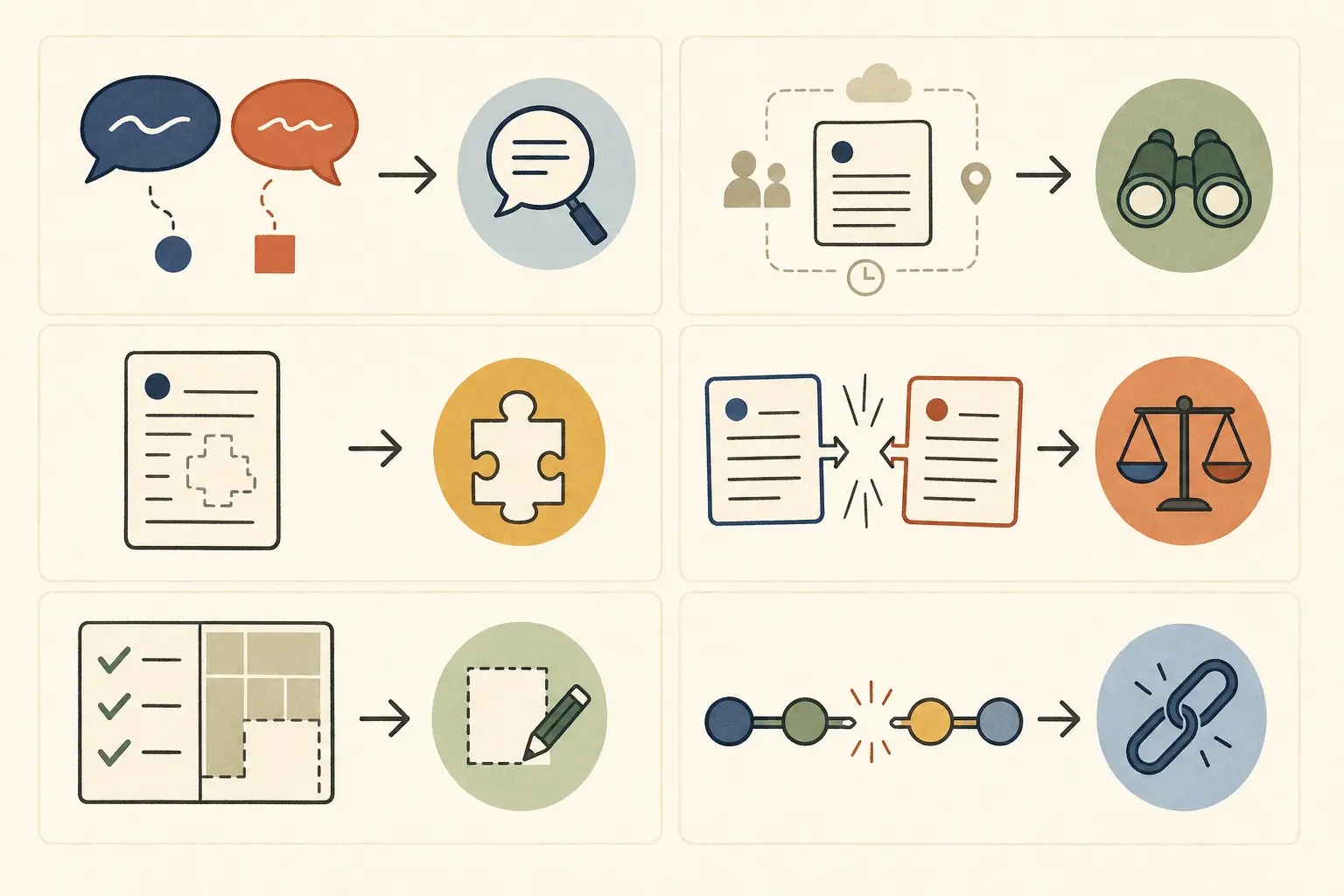
implementation · 12 min
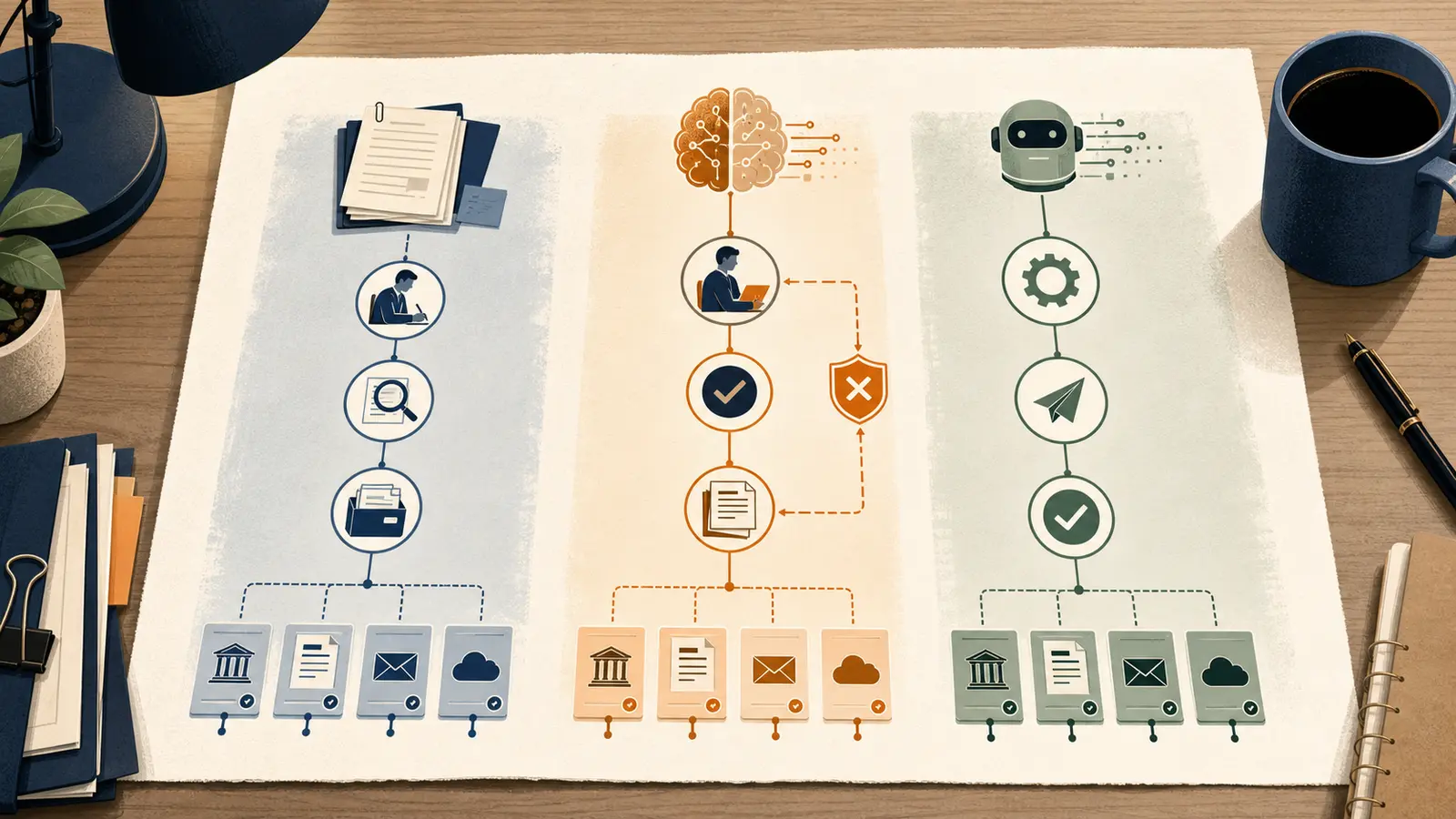
architecture · 10 min

commercial · 8 min
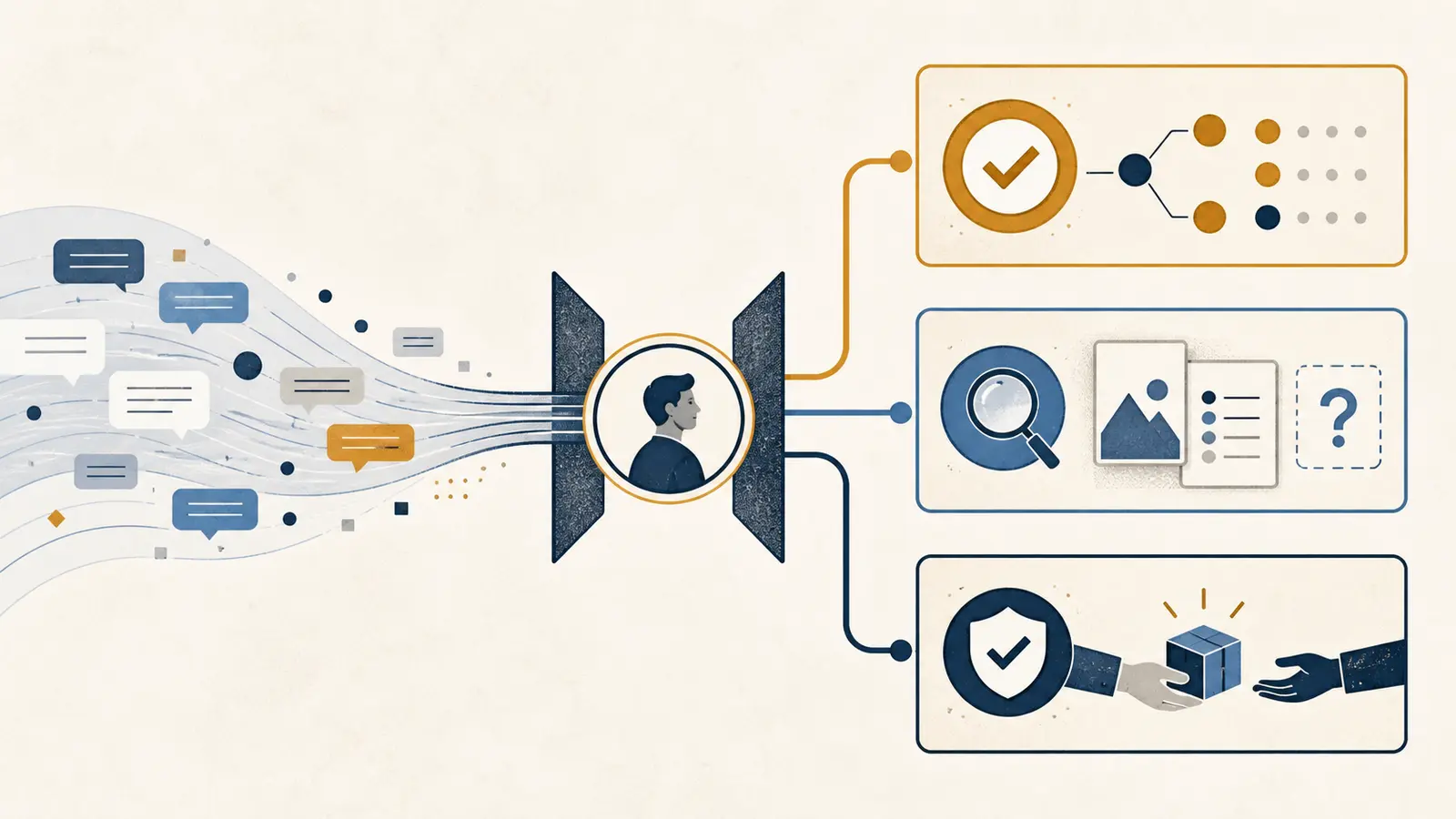
implementation · 7 min
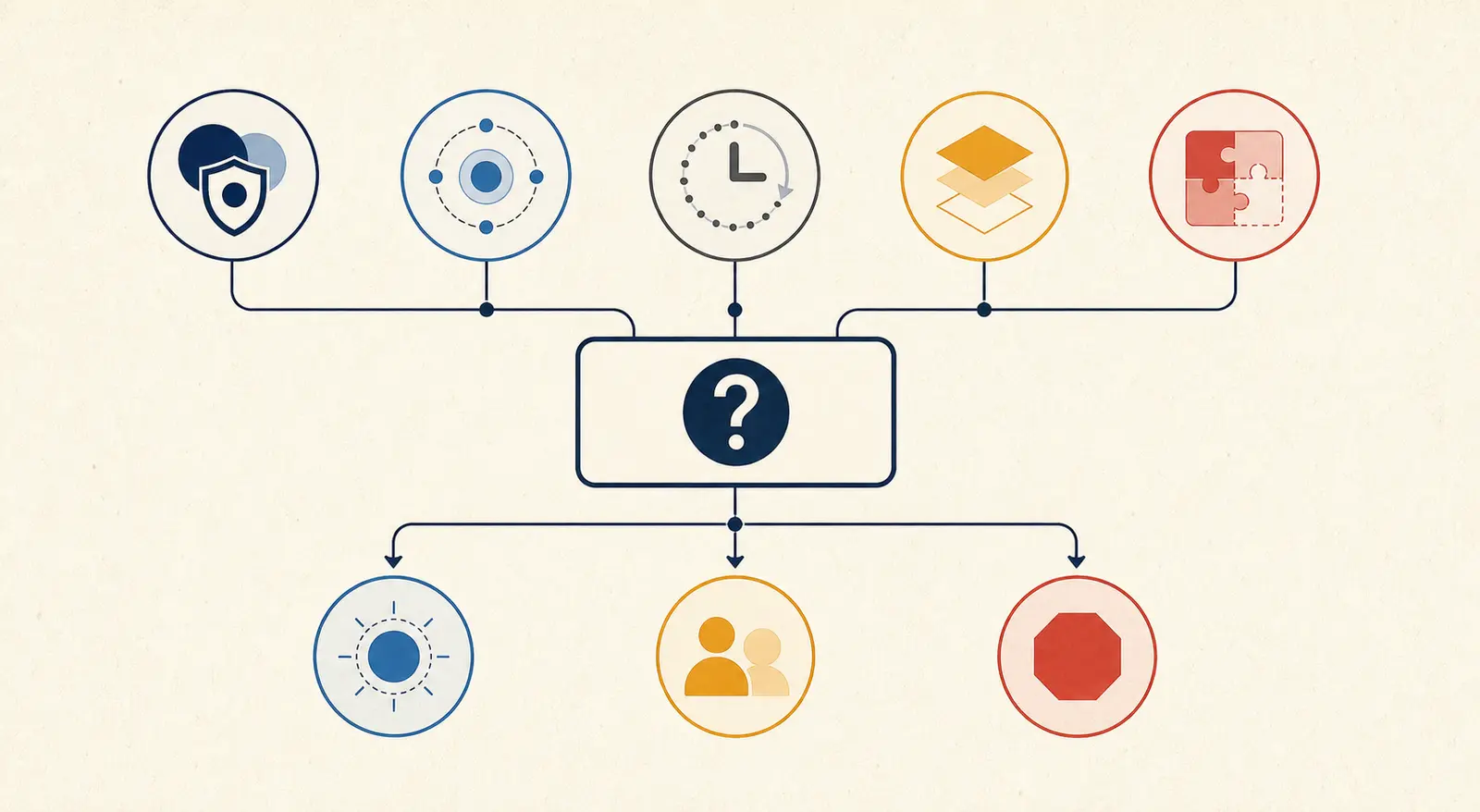
implementation · 11 min
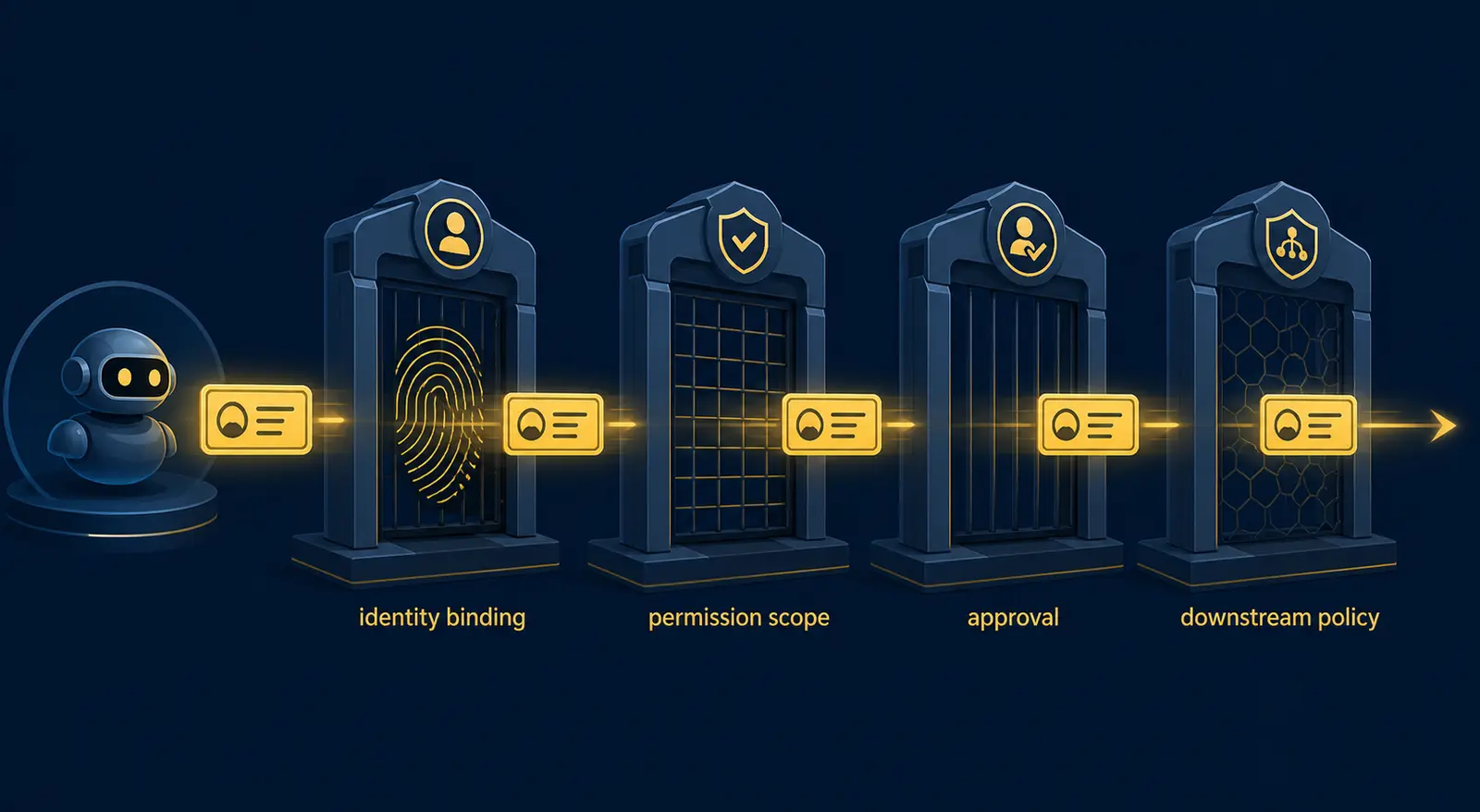
implementation · 9 min
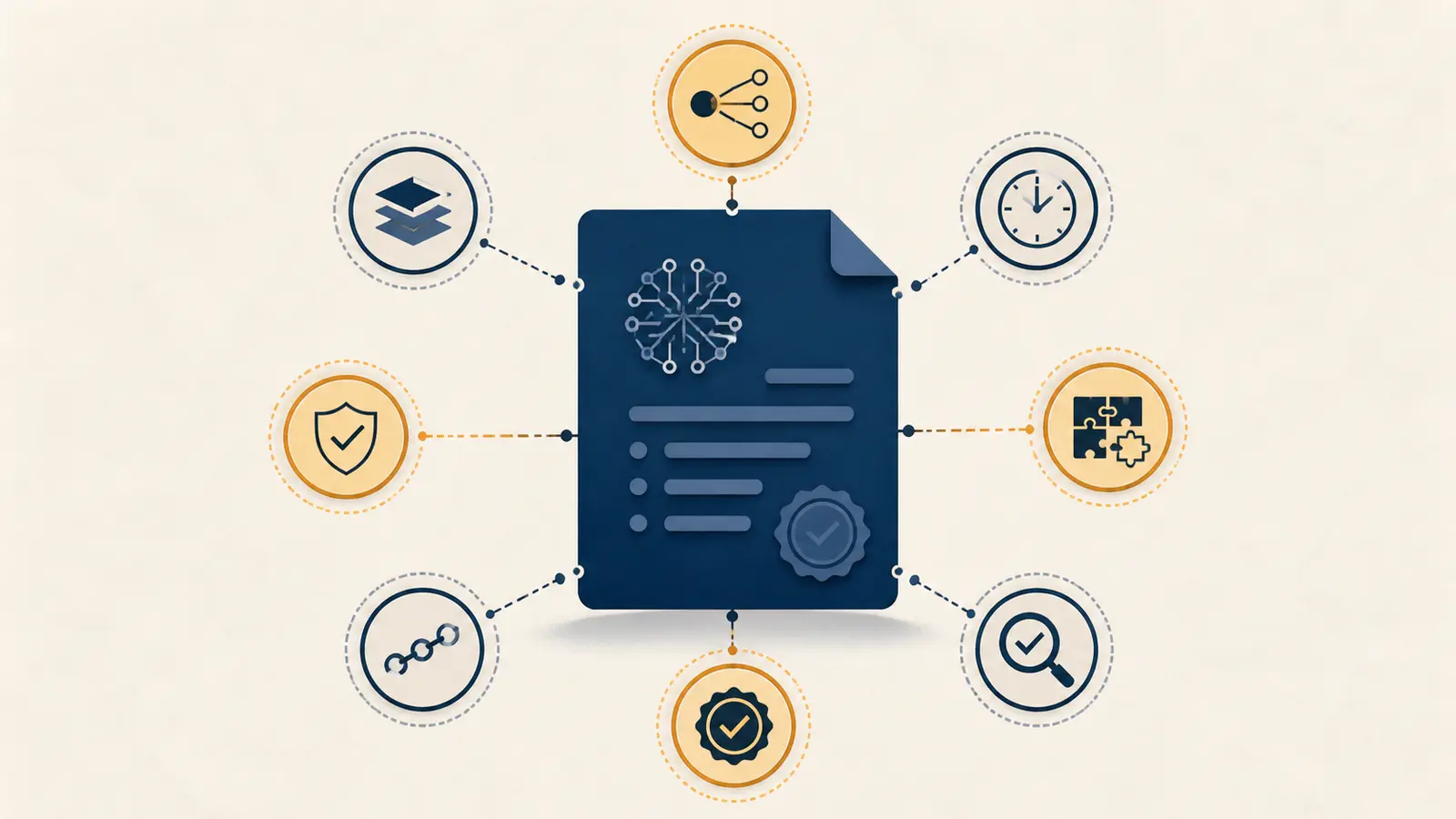
implementation · 8 min
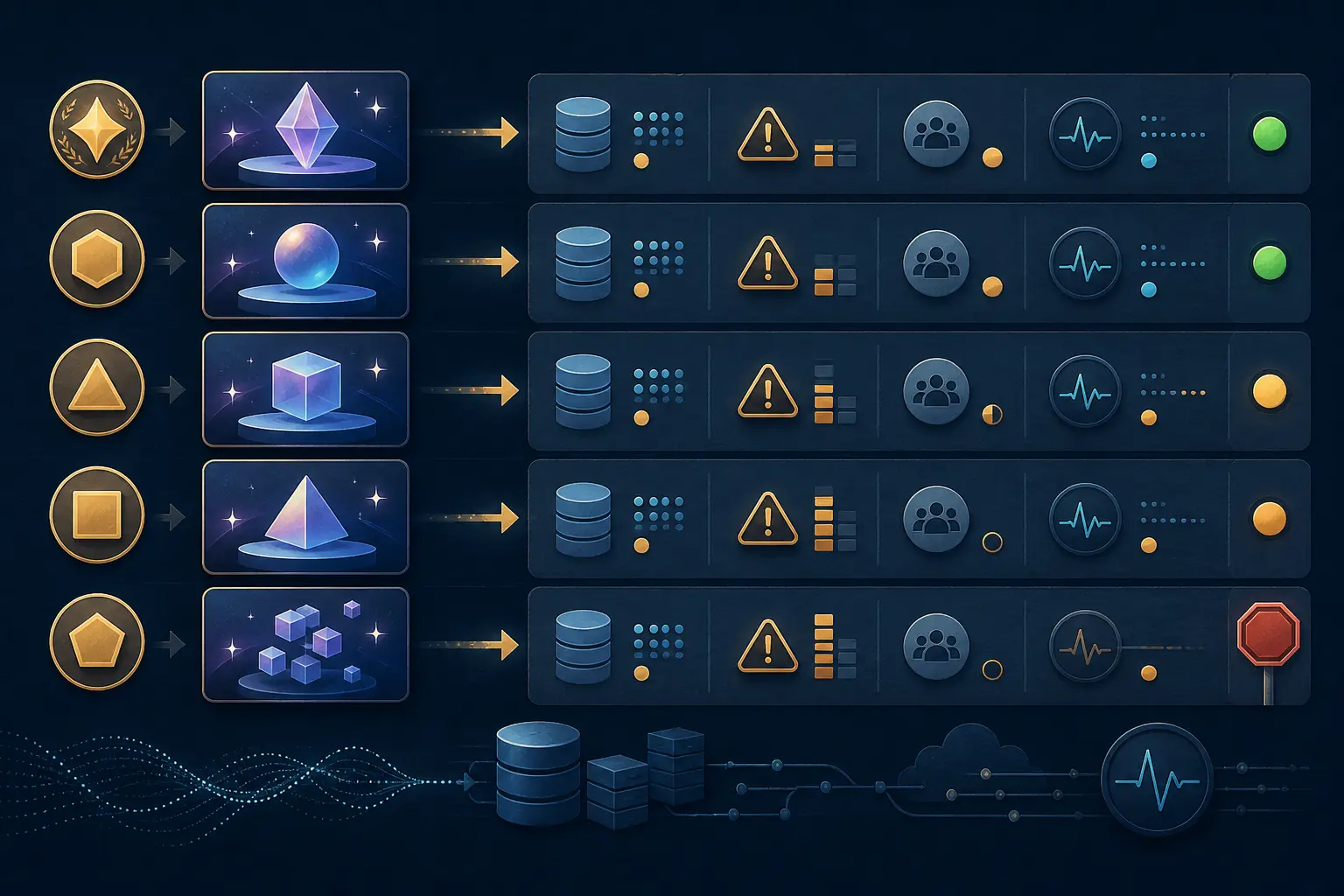
implementation · 11 min
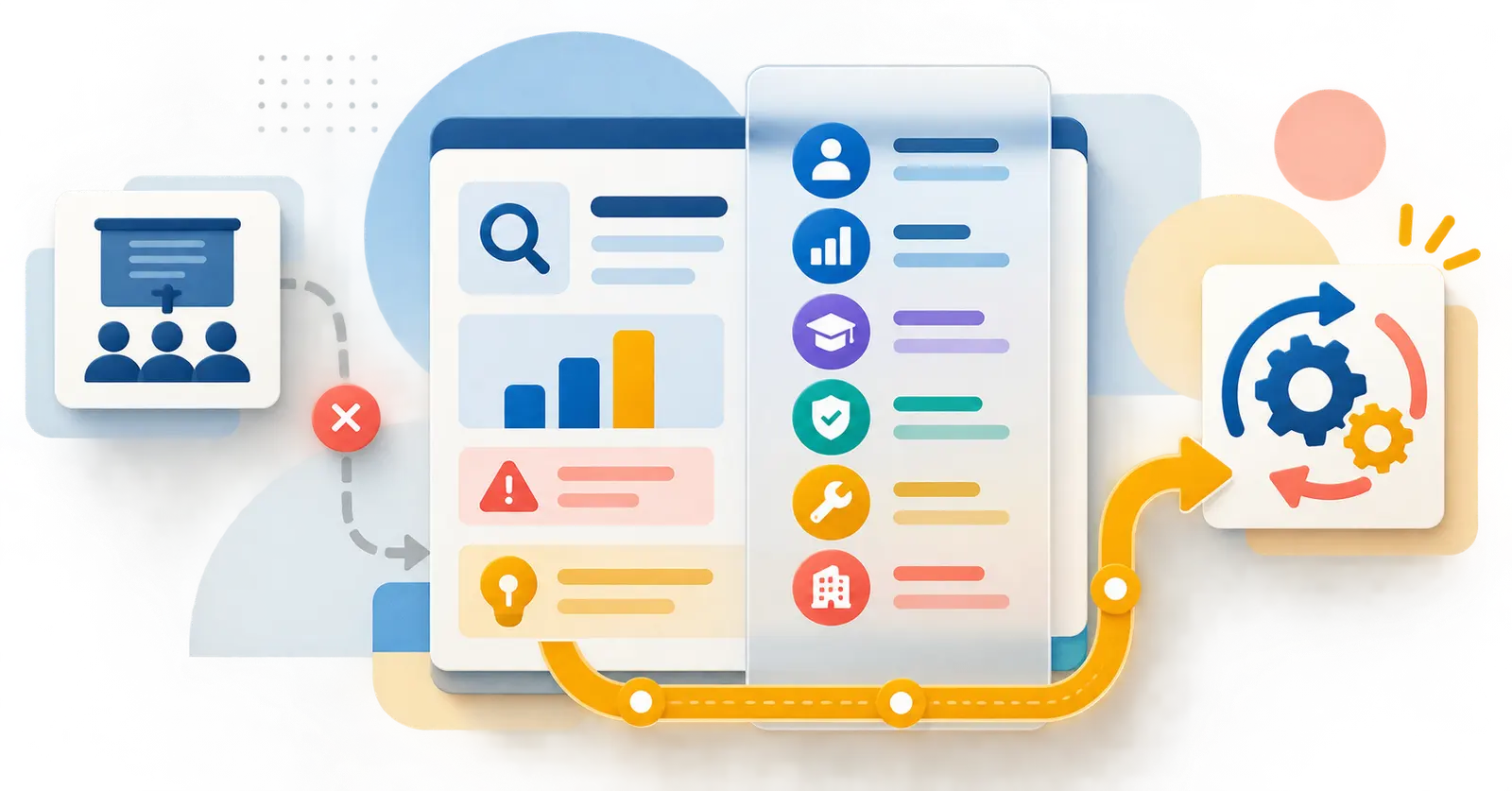
implementation · 10 min
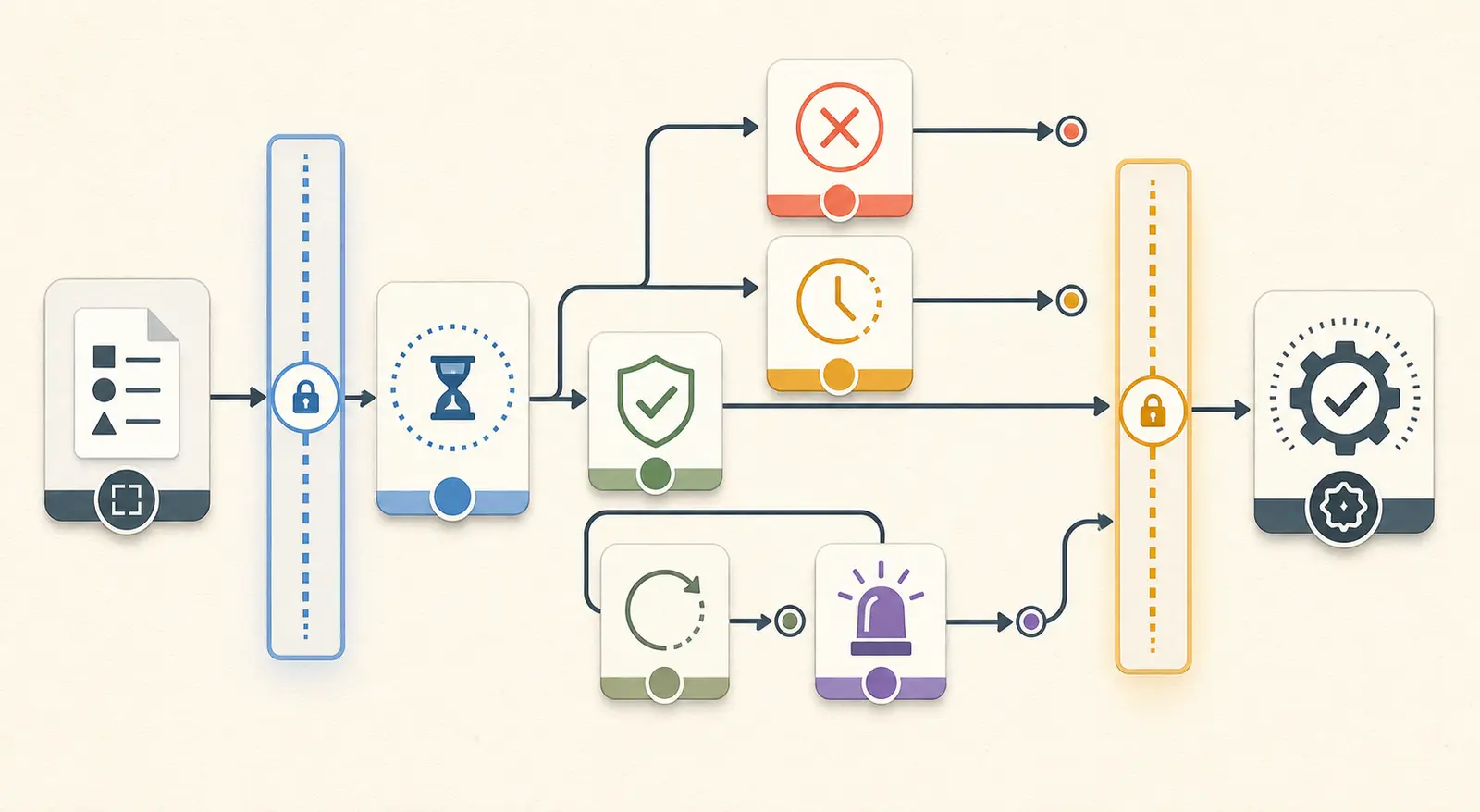
architecture · 11 min
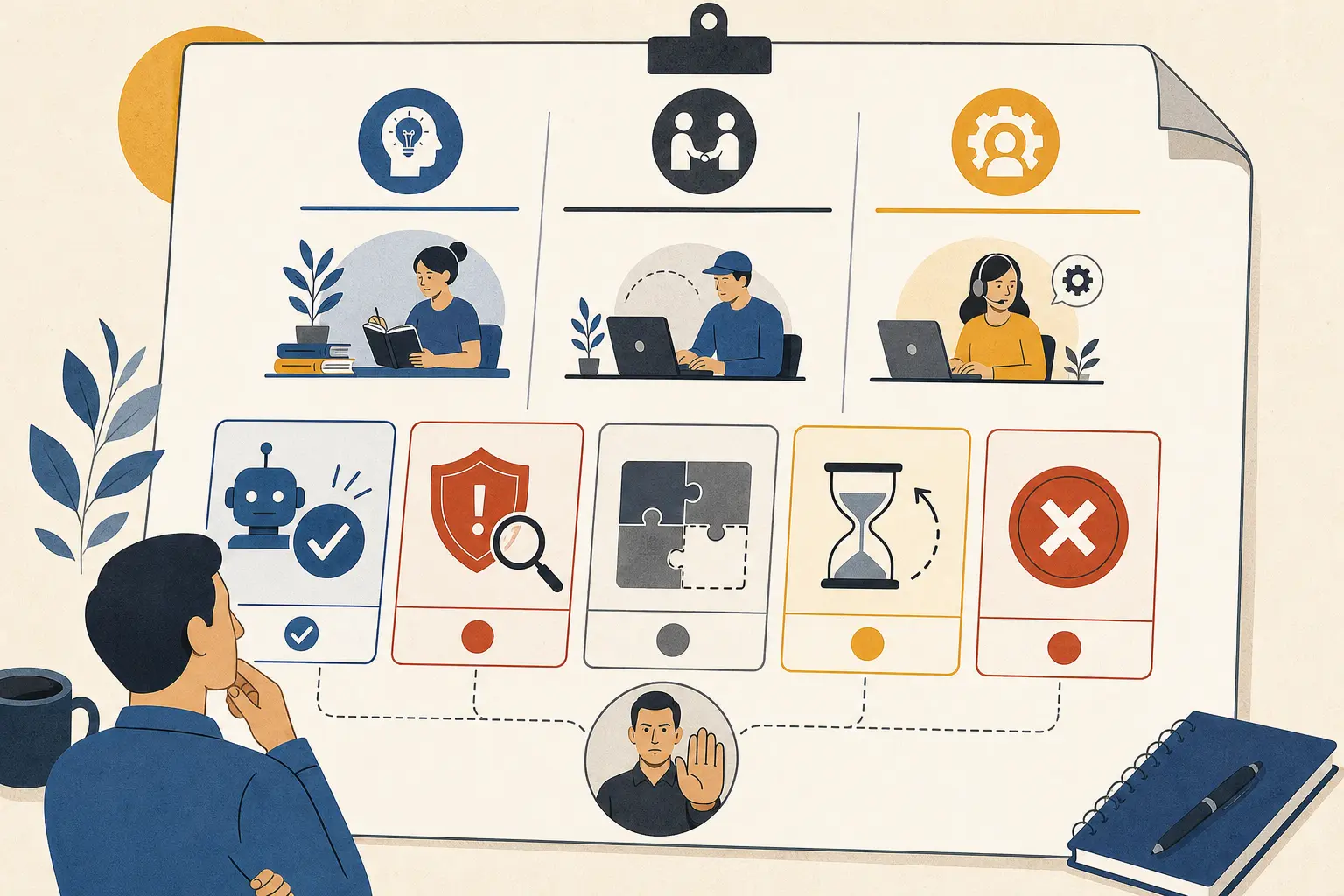
opportunity · 9 min
architecture · 11 min
implementation · 9 min
implementation · 9 min
implementation · 11 min
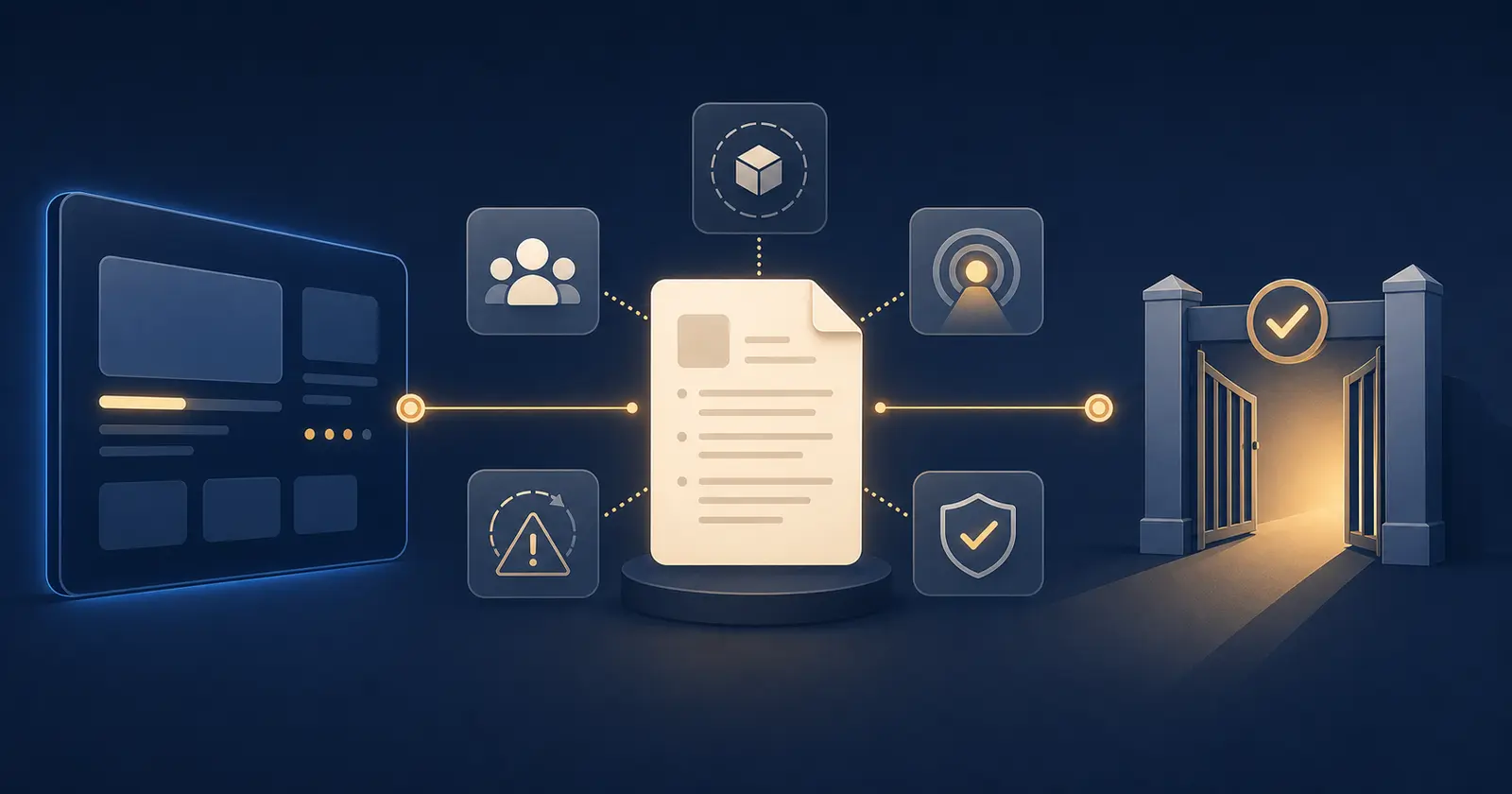
implementation · 8 min

implementation · 10 min
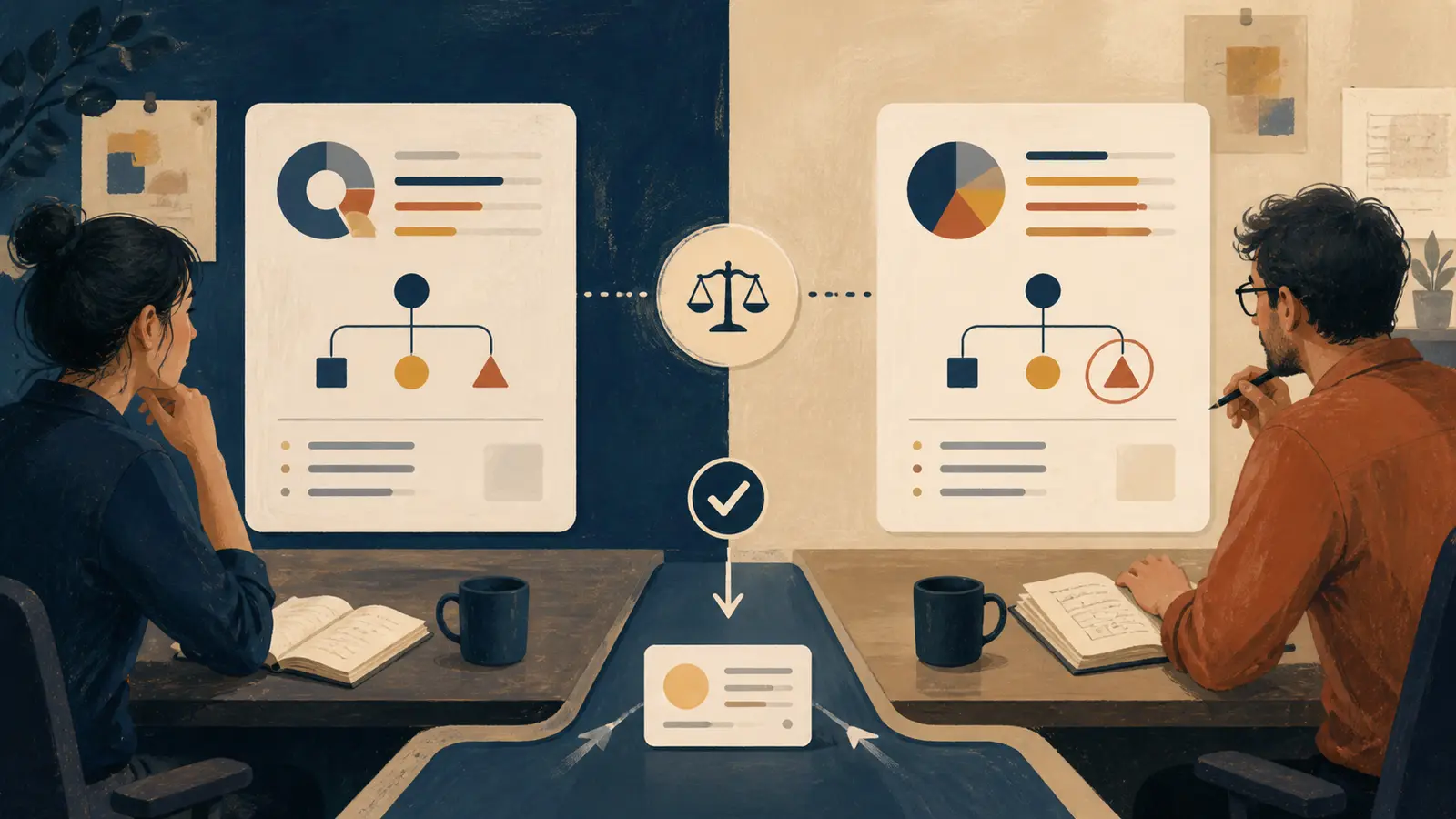
architecture · 10 min
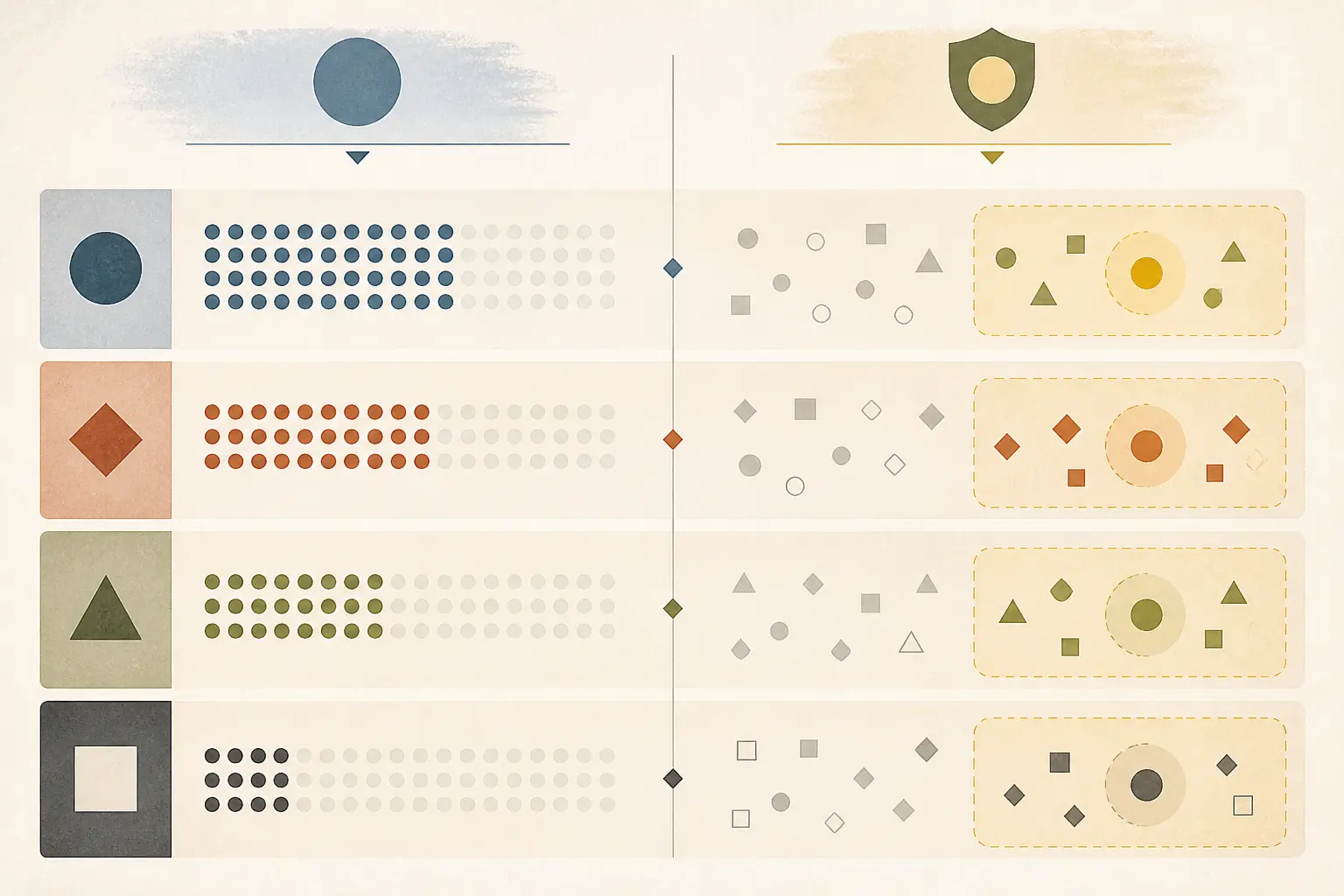
evaluation · 10 min
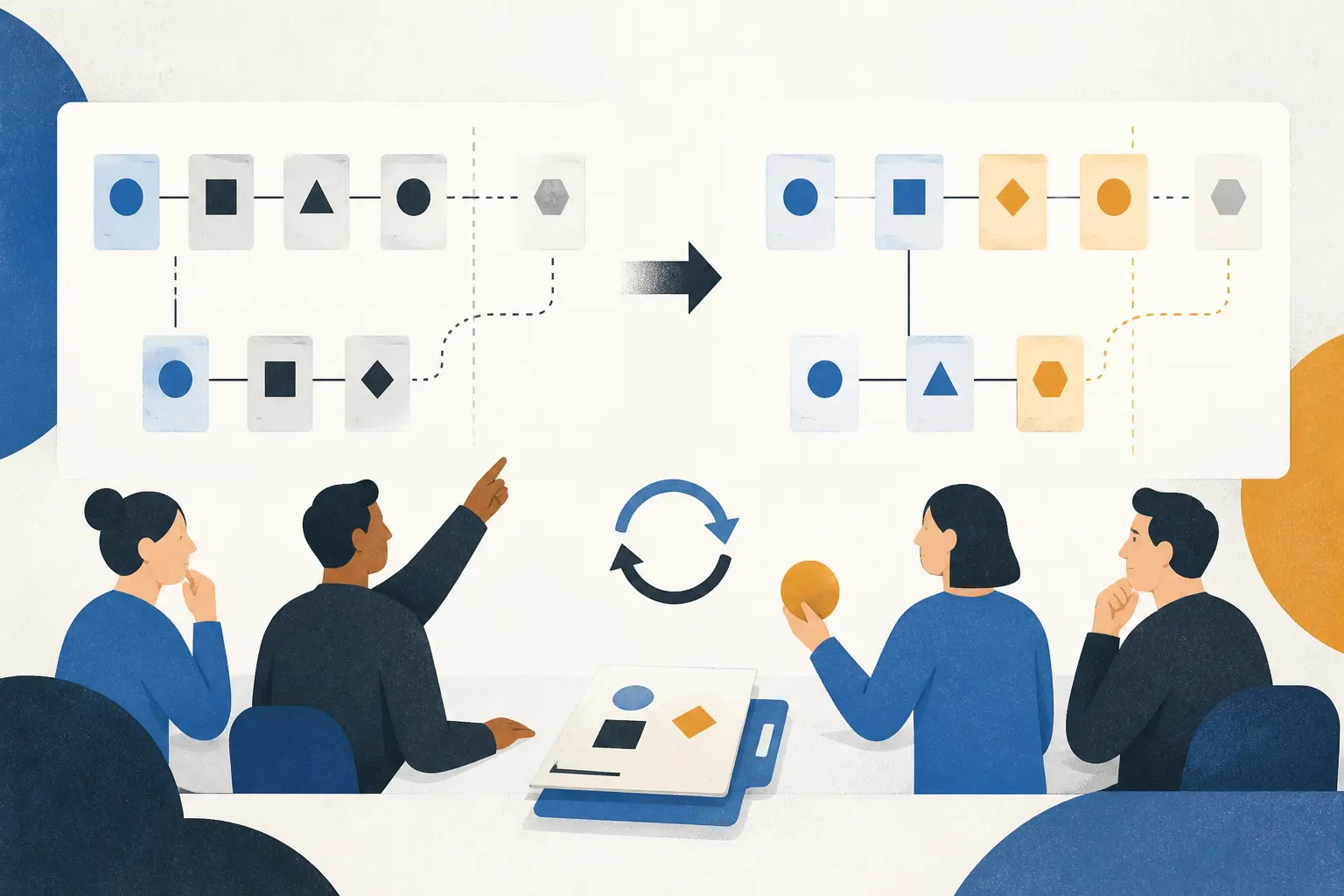
opportunity · 10 min
opportunity · 8 min
commercial · 9 min
implementation · 11 min
architecture · 9 min
opportunity · 10 min

evaluation · 9 min

architecture · 8 min
opportunity · 11 min
opportunity · 8 min
implementation · 11 min
opportunity · 10 min
opportunity · 9 min
architecture · 11 min

commercial · 8 min
architecture · 10 min
implementation · 9 min
architecture · 8 min
architecture · 12 min

capability · 10 min
architecture · 11 min
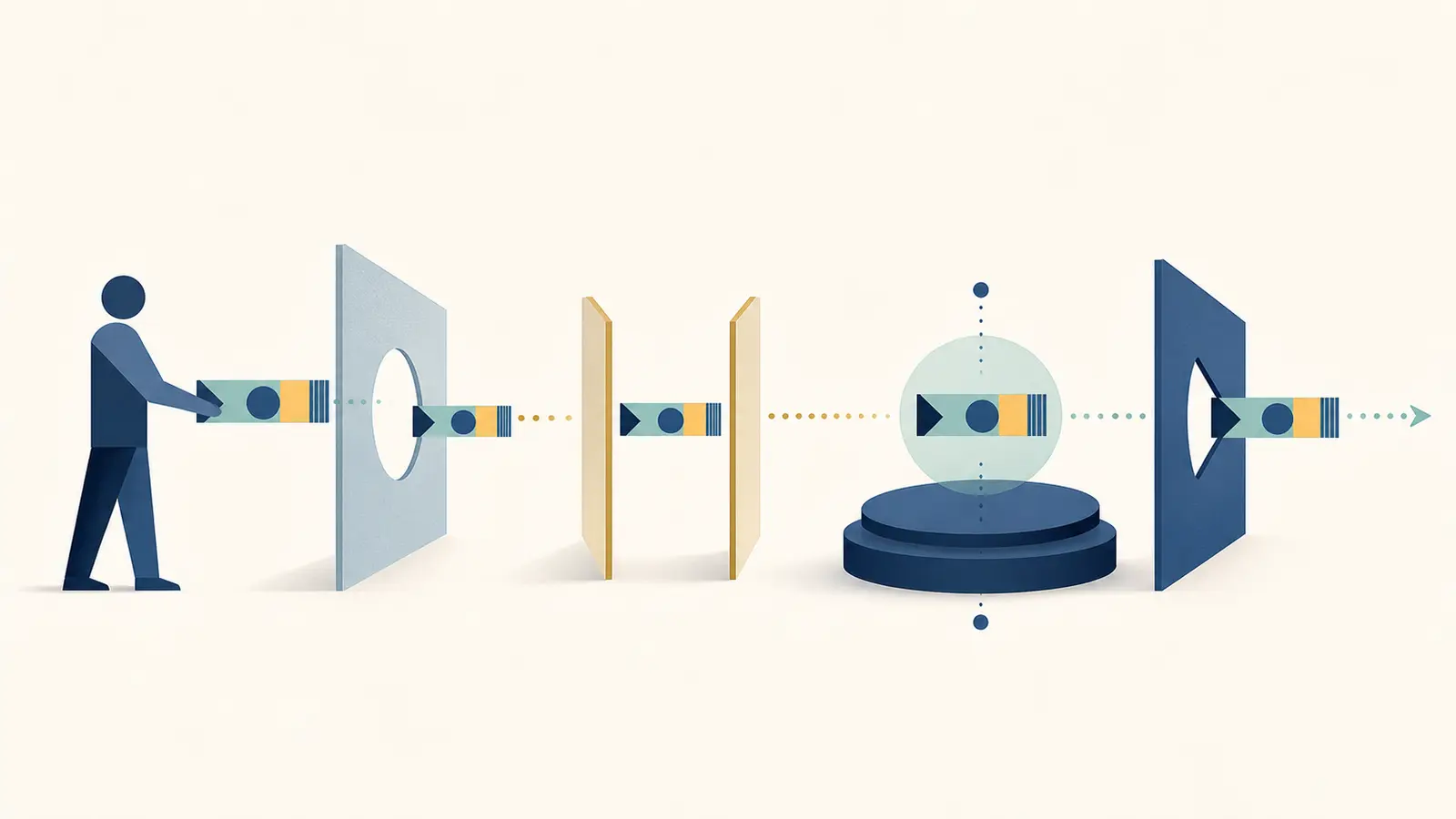
implementation · 9 min
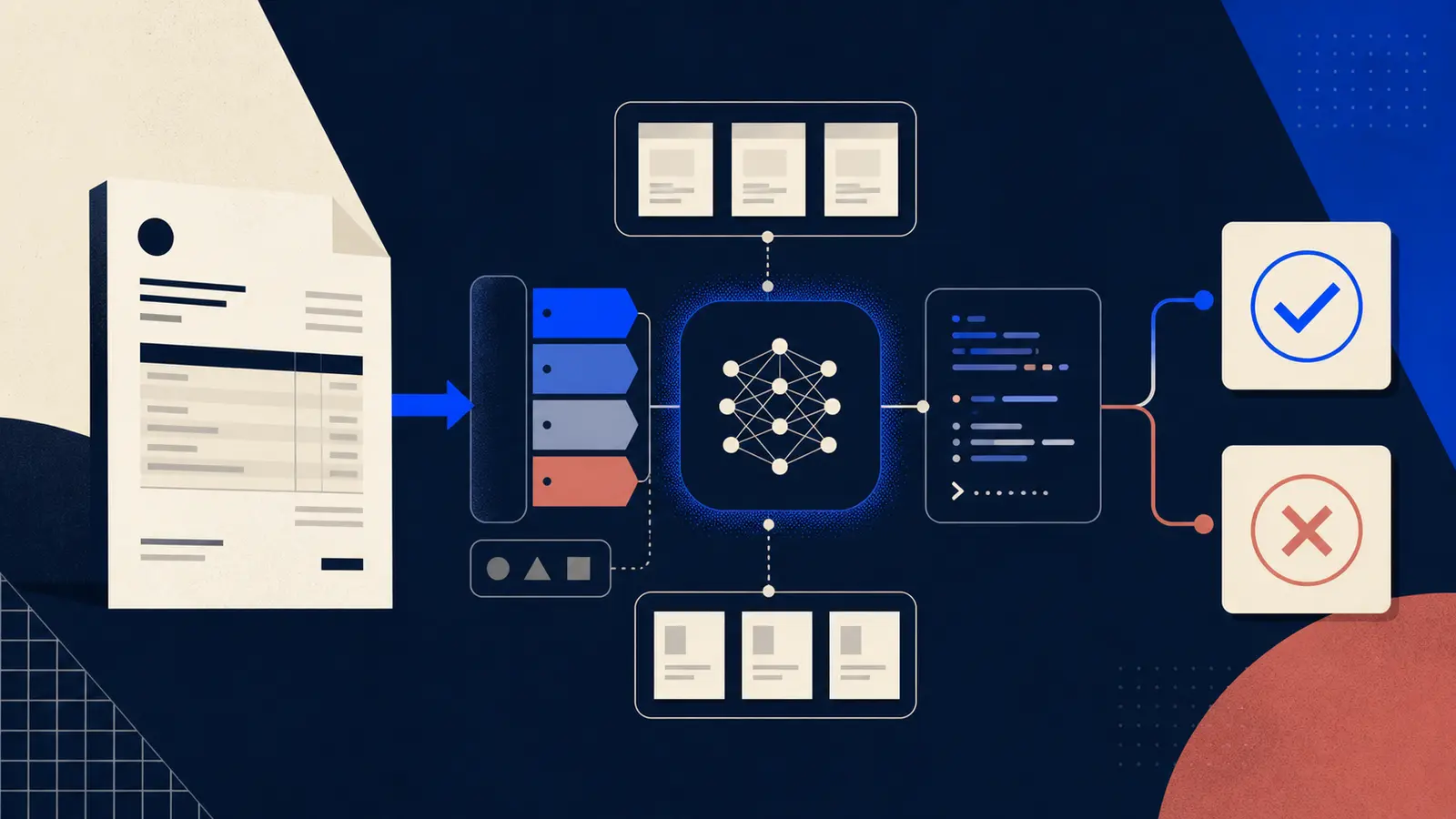
implementation · 7 min
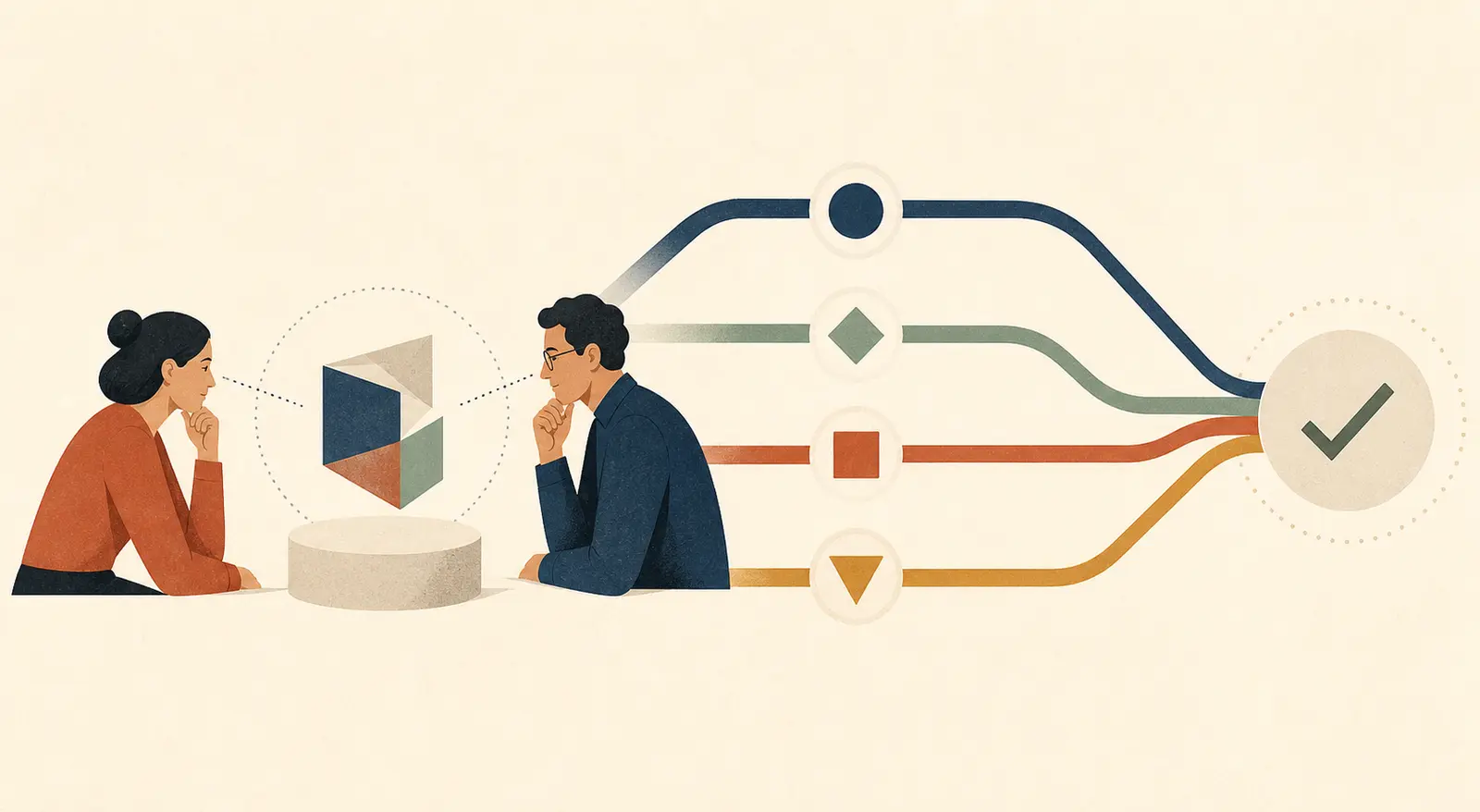
evaluation · 7 min
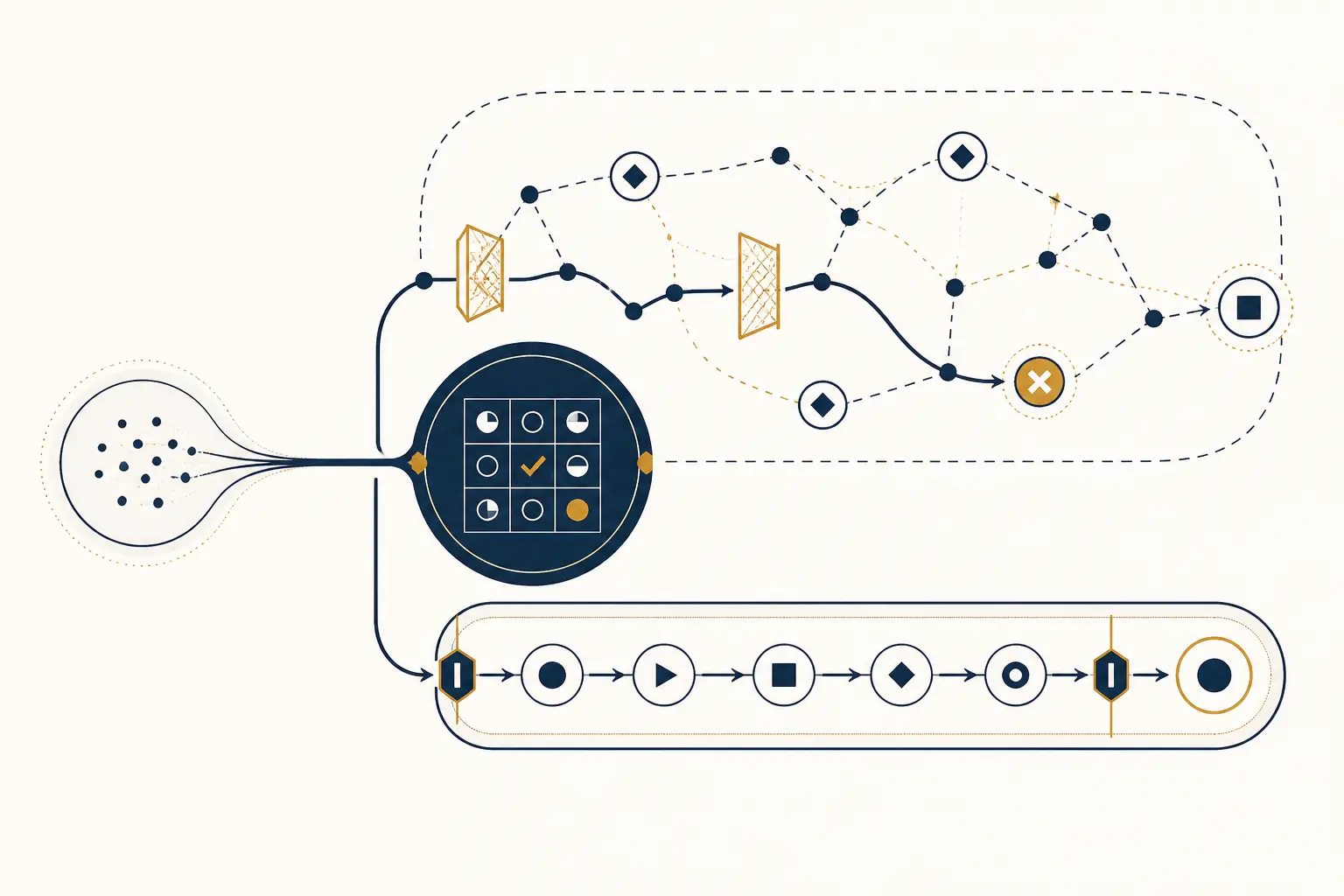
architecture · 10 min
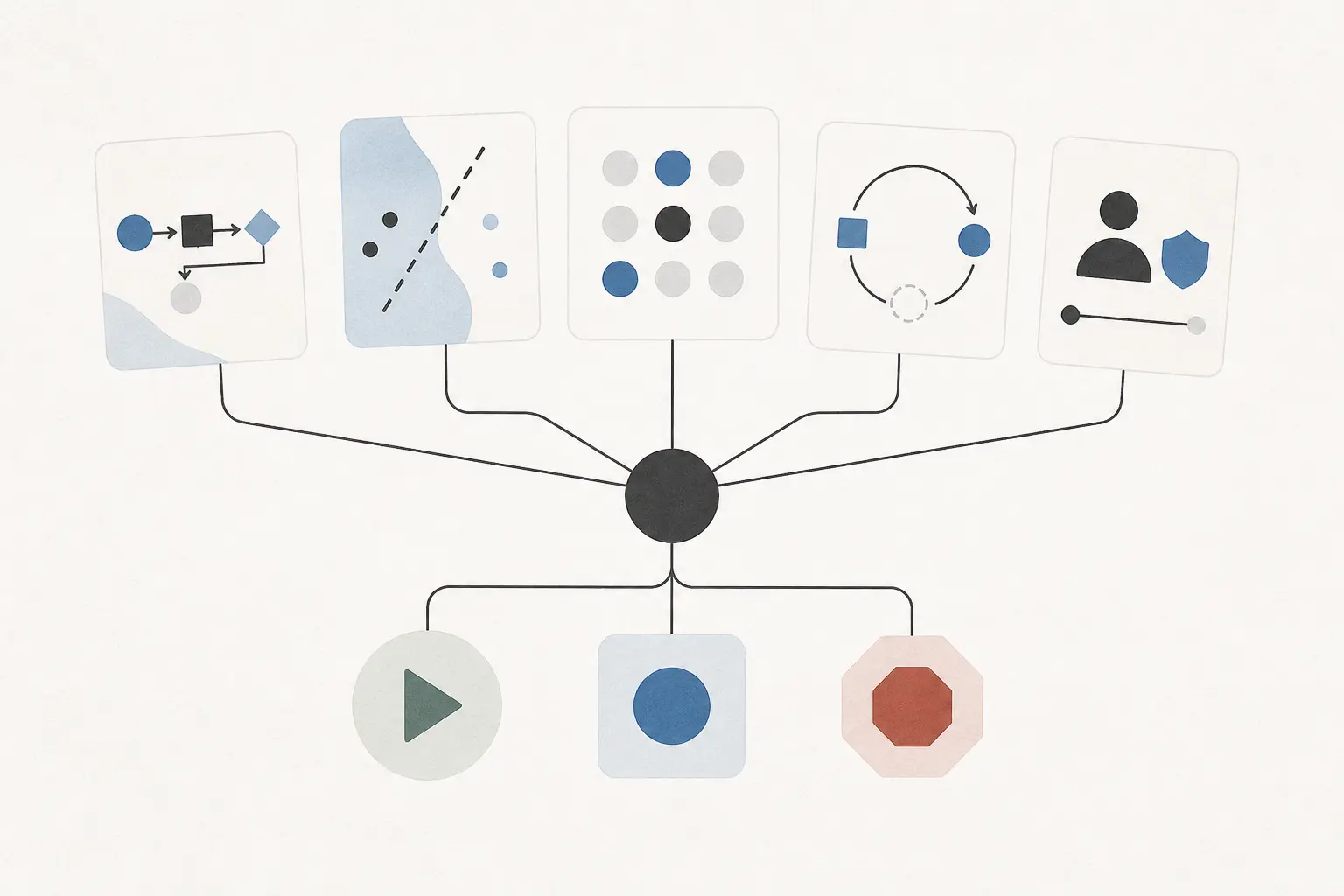
opportunity · 11 min

commercial · 11 min
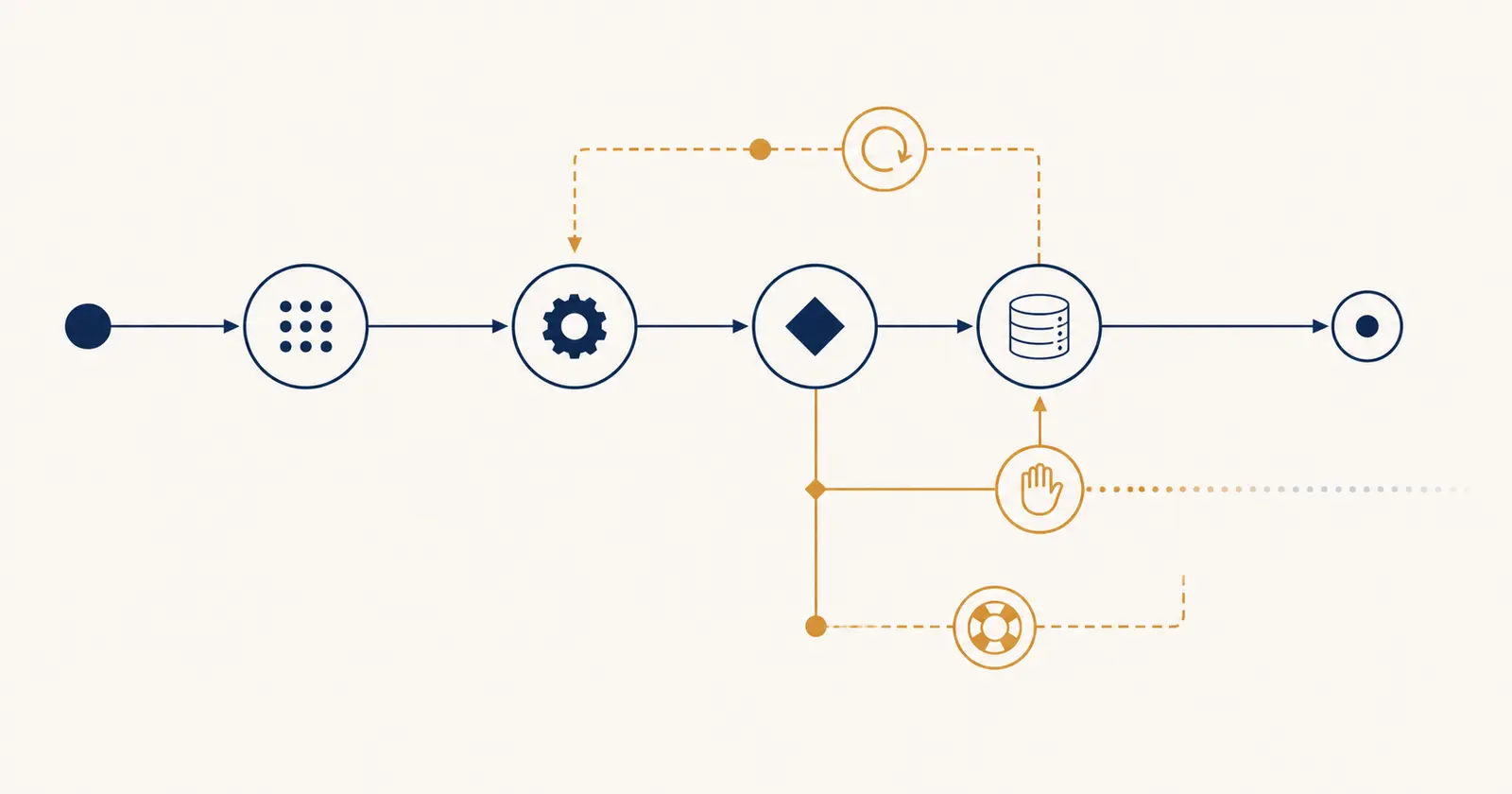
architecture · 8 min
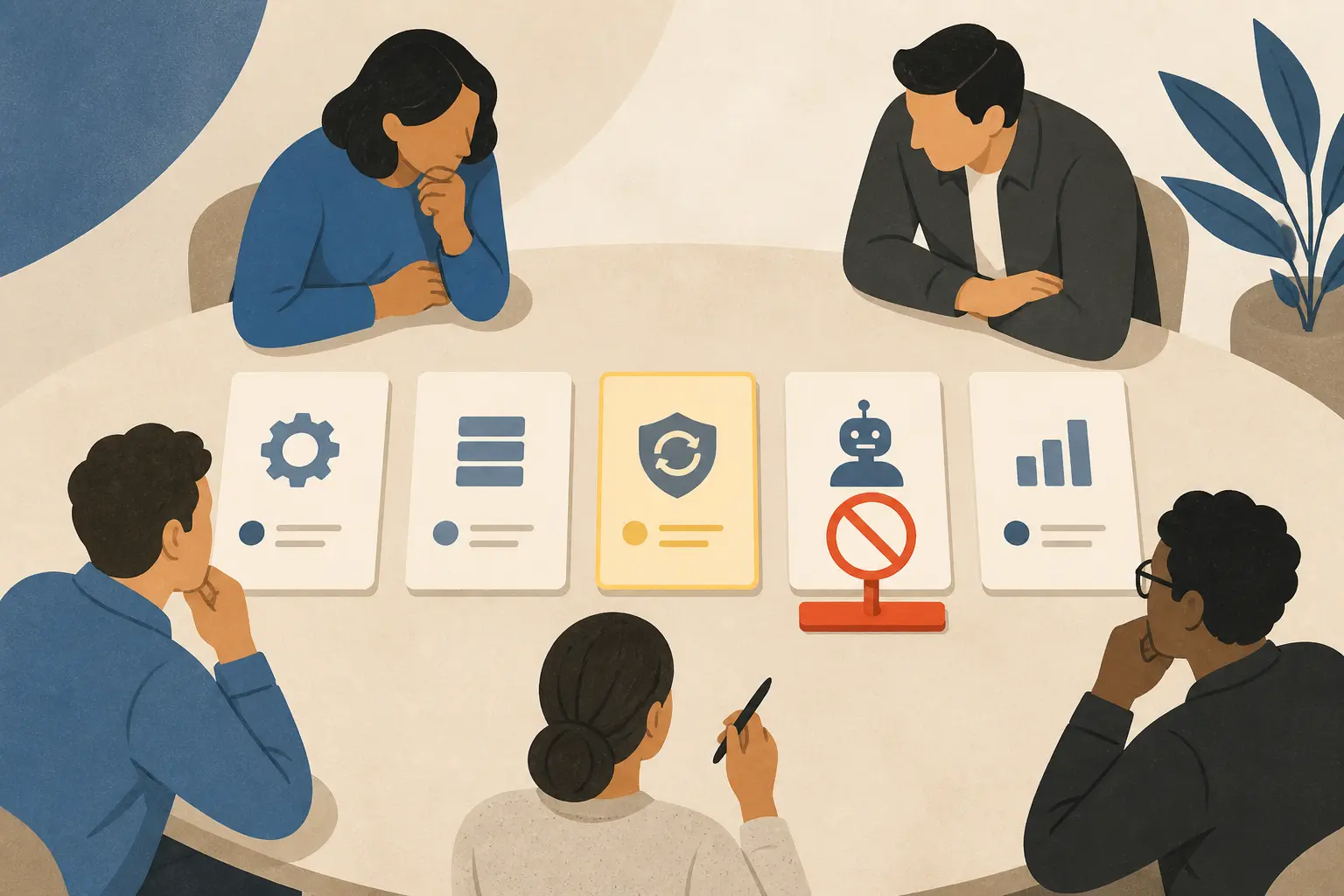
implementation · 11 min
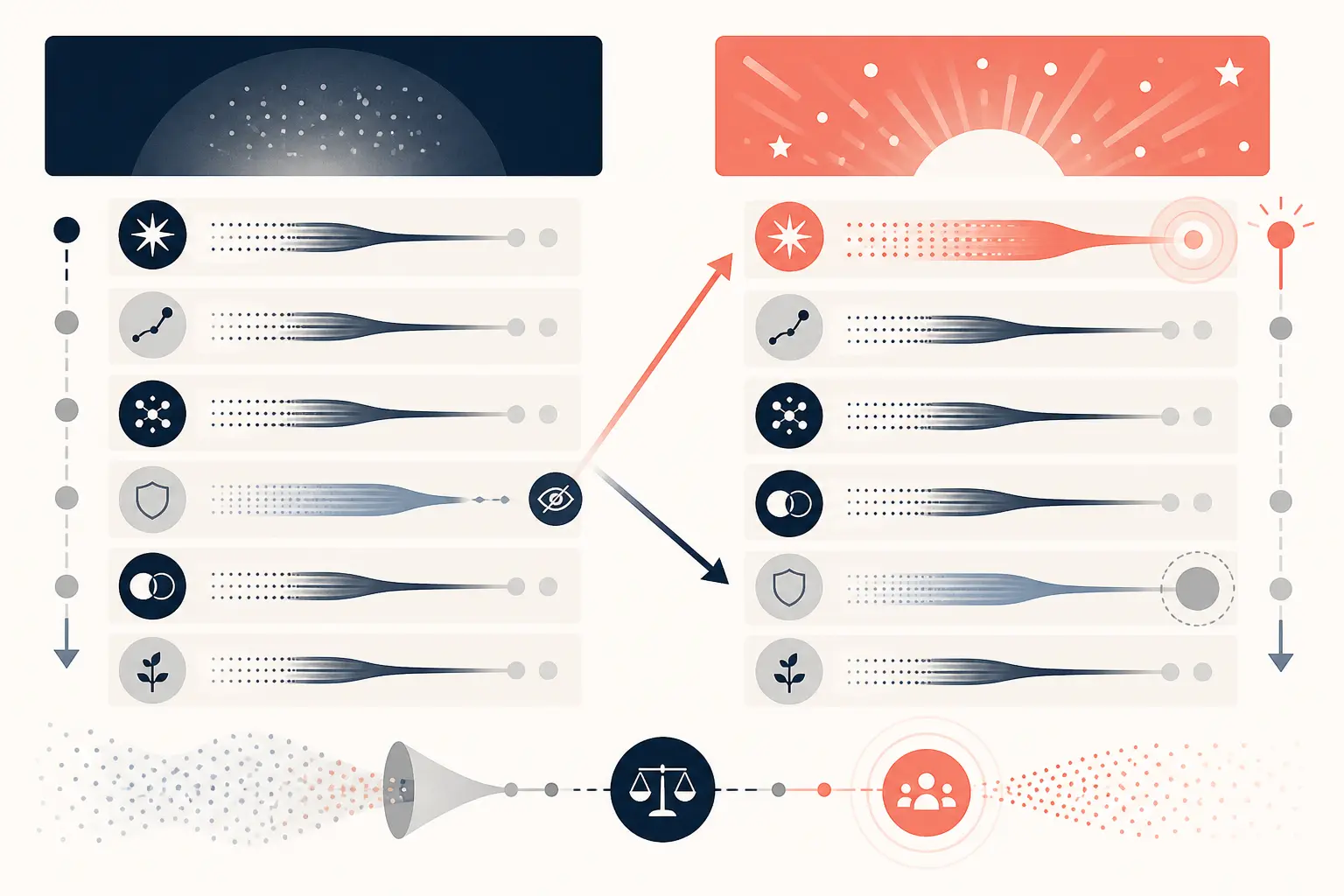
opportunity · 13 min

evaluation · 7 min
opportunity · 11 min
architecture · 11 min
implementation · 8 min
architecture · 11 min
opportunity · 10 min
architecture · 10 min
capability · 10 min
evaluation · 9 min
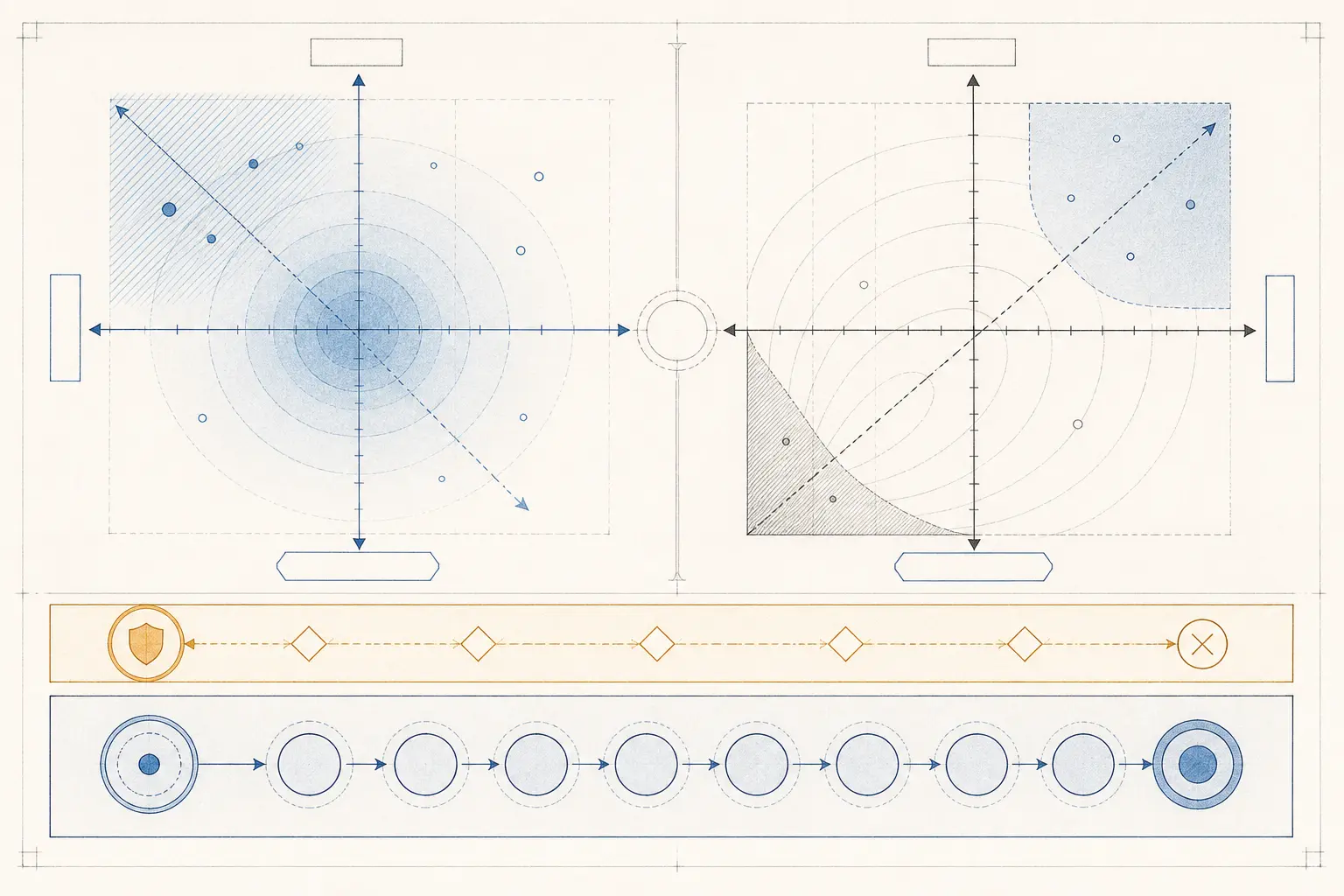
evaluation · 12 min
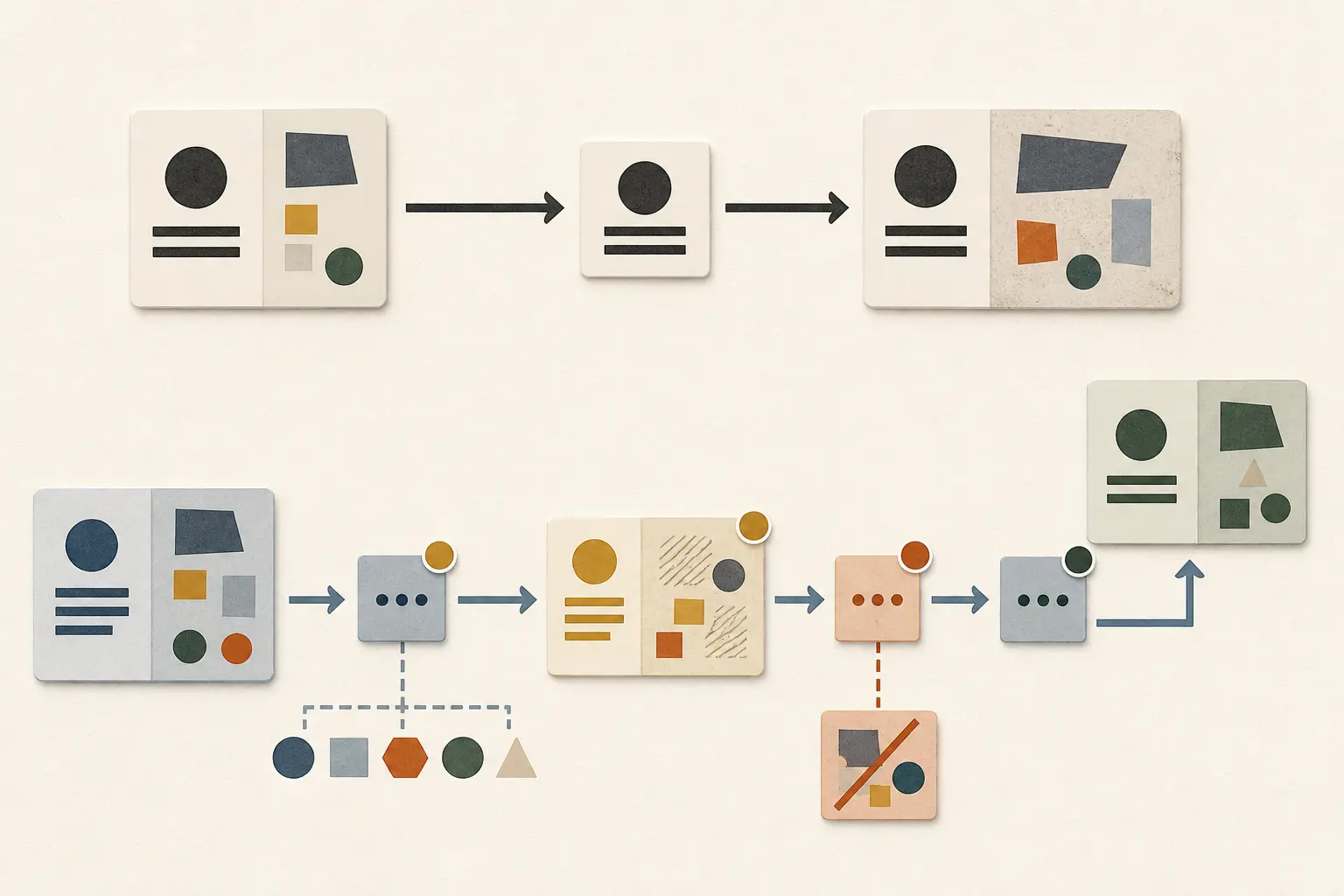
capability · 8 min

evaluation · 7 min
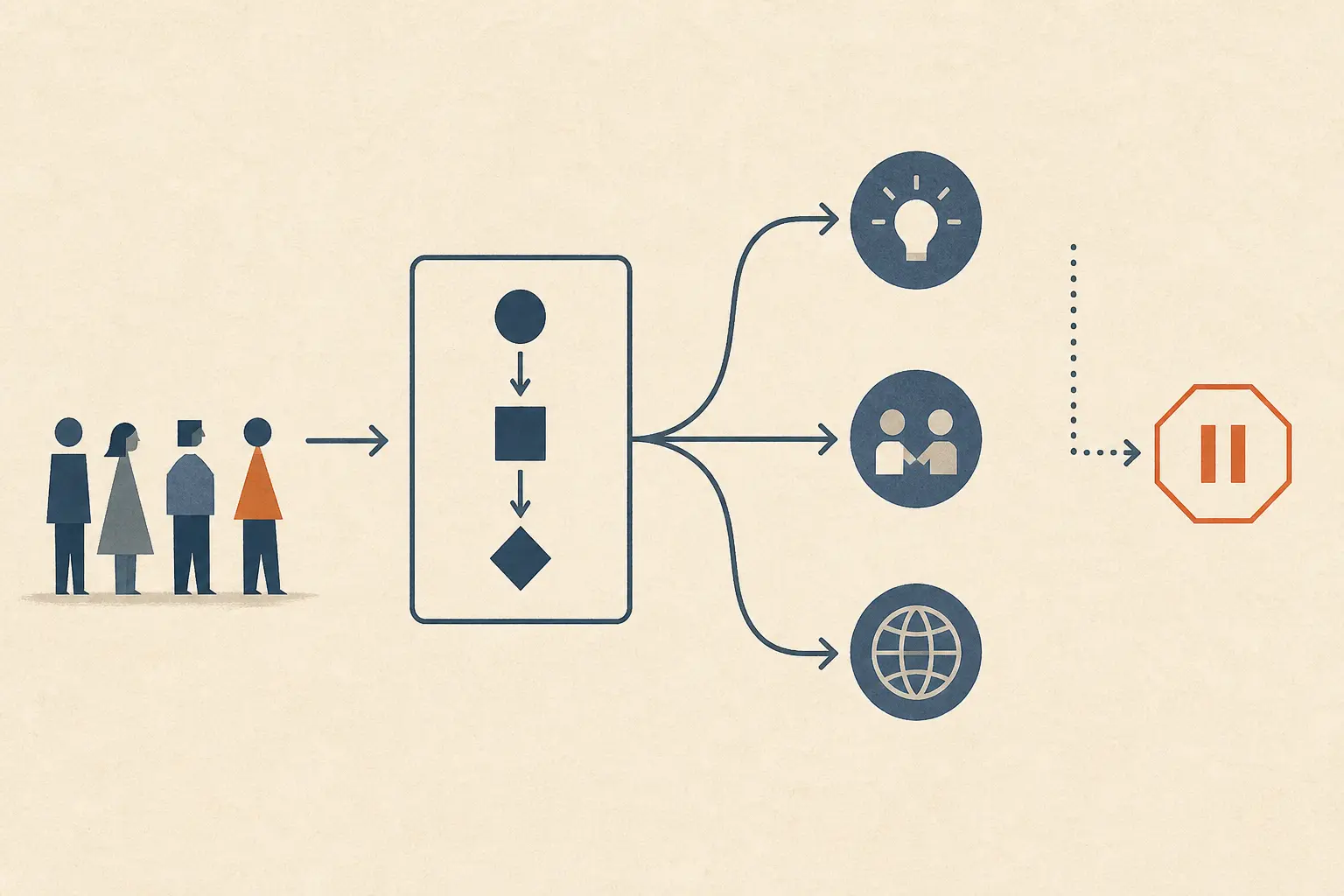
implementation · 8 min

architecture · 9 min

implementation · 8 min
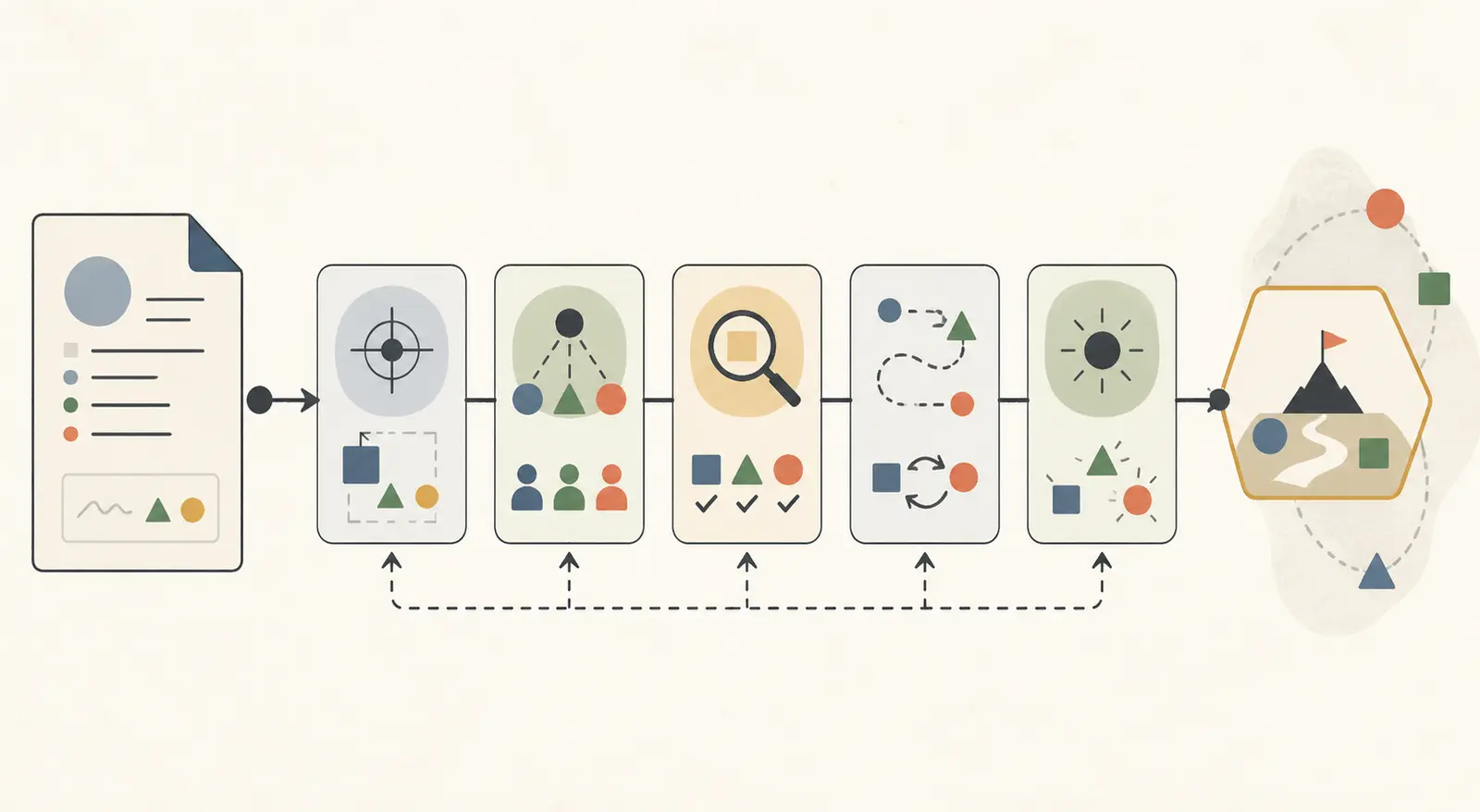
capability · 7 min

evaluation · 9 min

commercial · 9 min

opportunity · 9 min
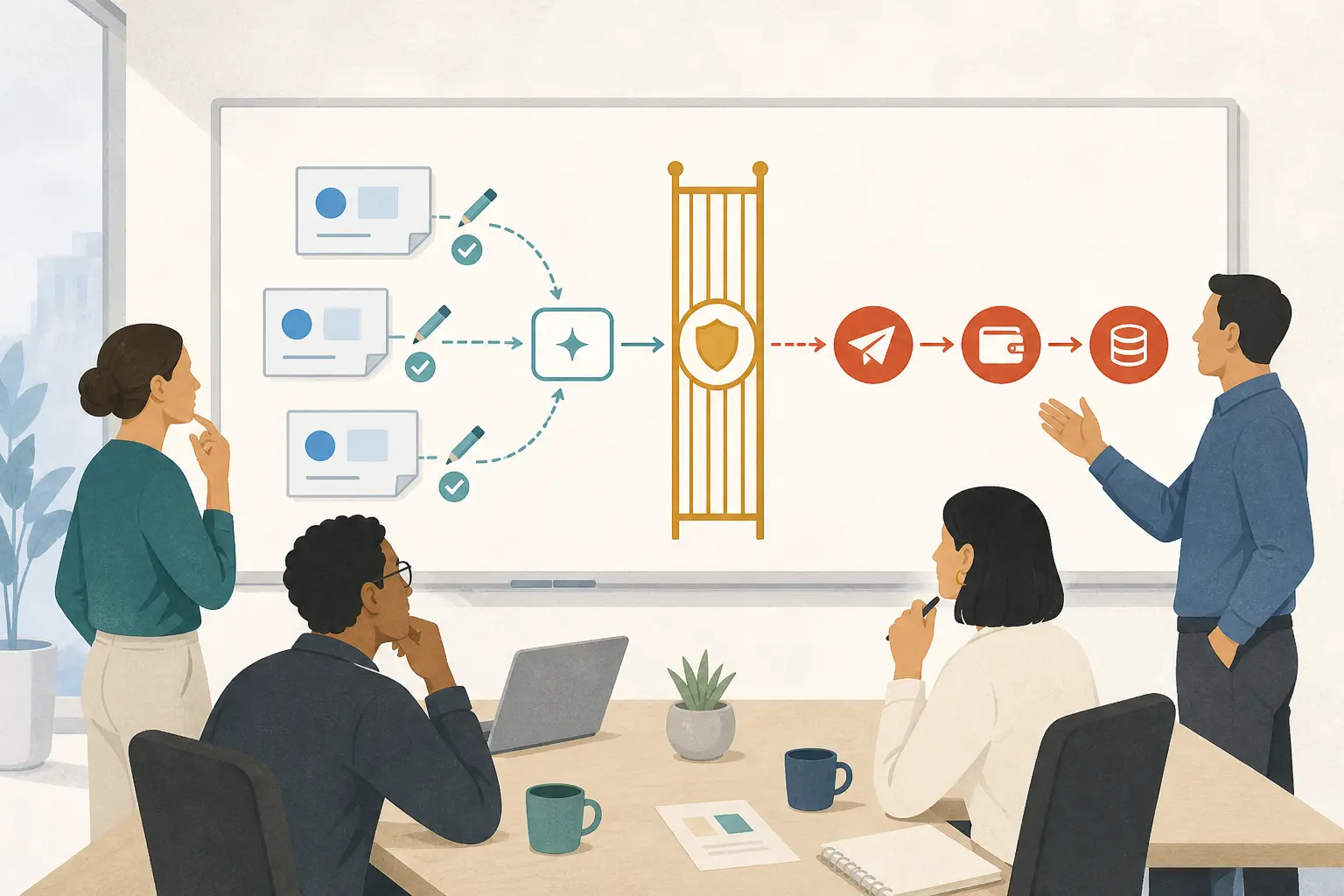
opportunity · 14 min
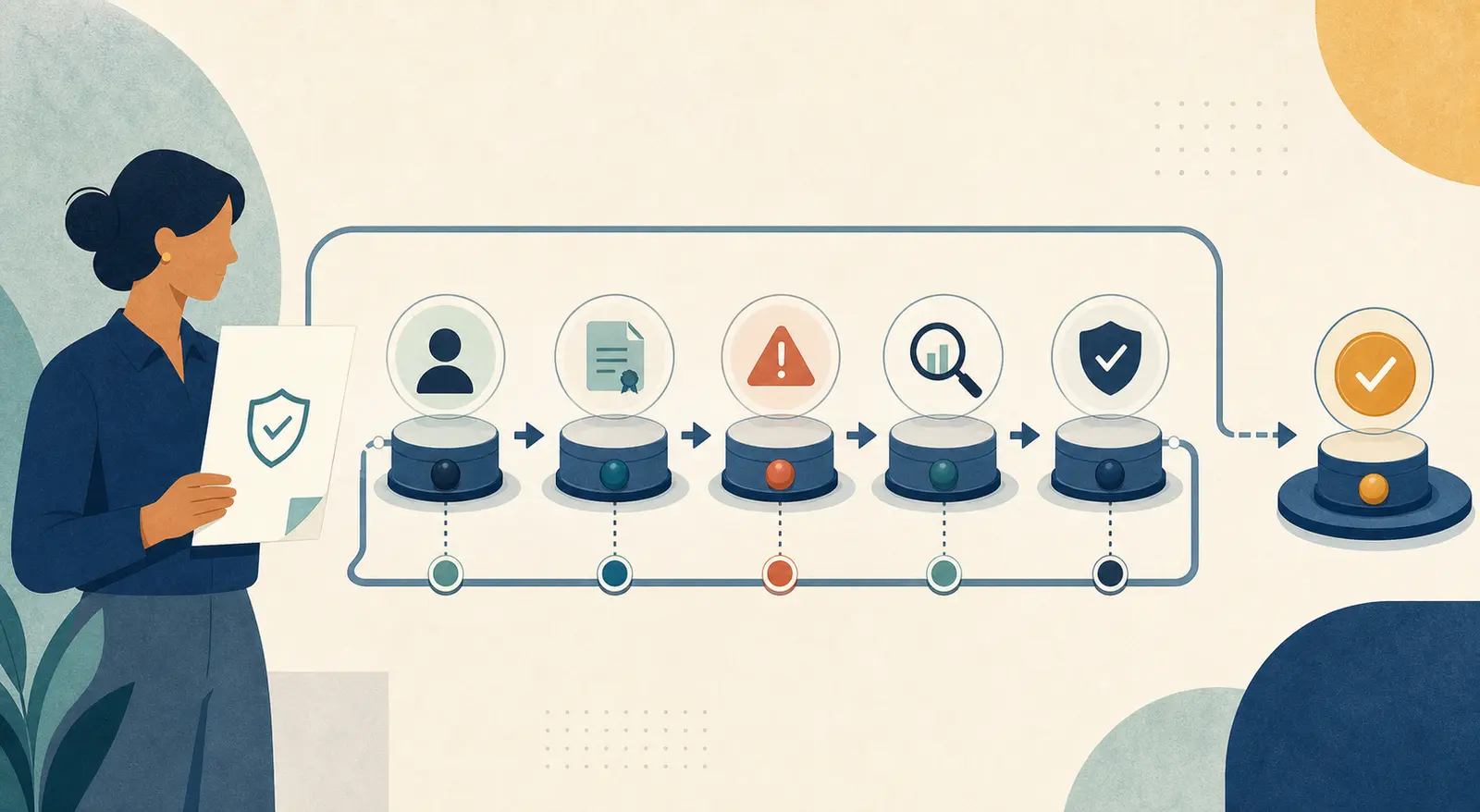
commercial · 8 min
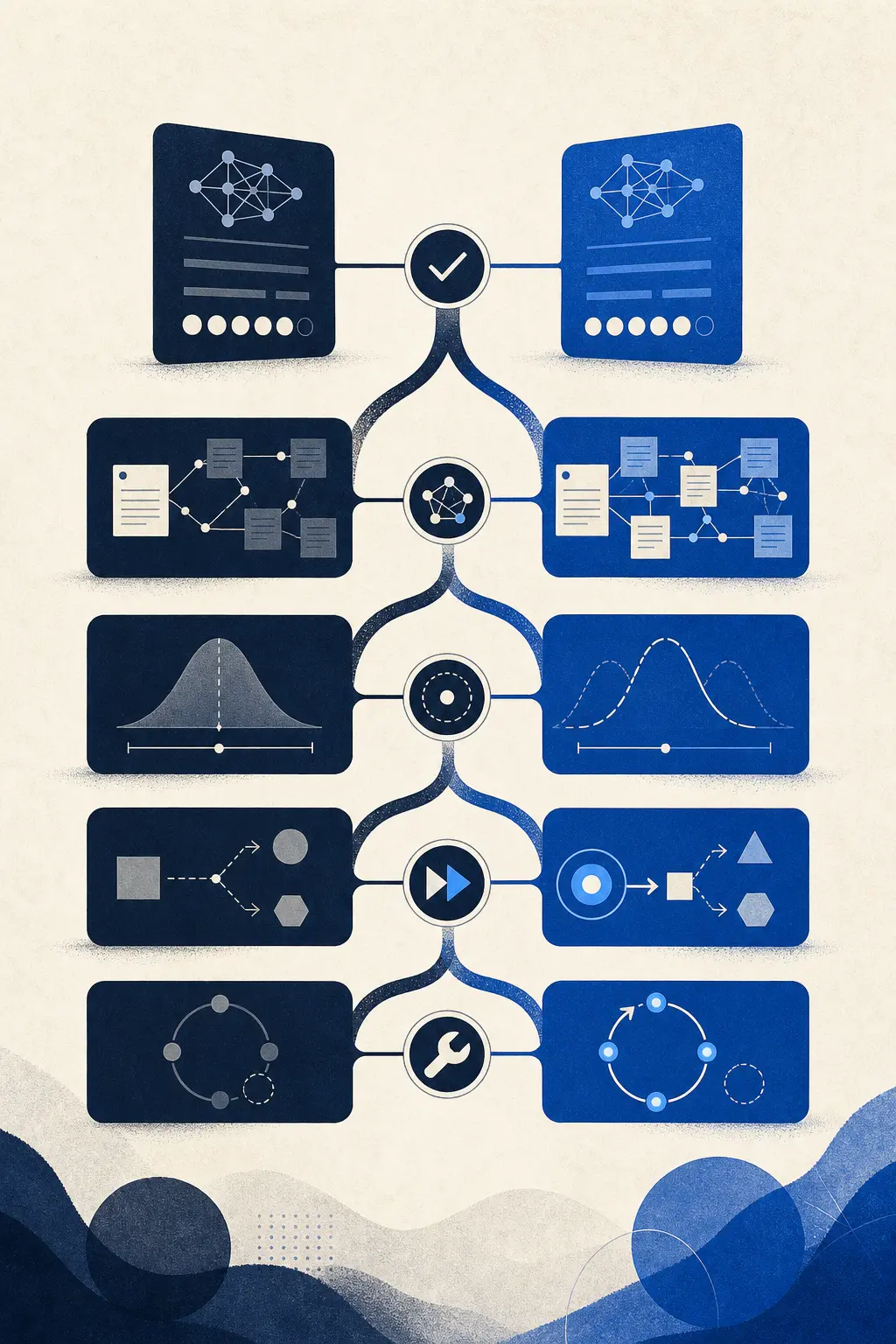
evaluation · 10 min

evaluation · 10 min

opportunity · 9 min

architecture · 8 min

opportunity · 14 min
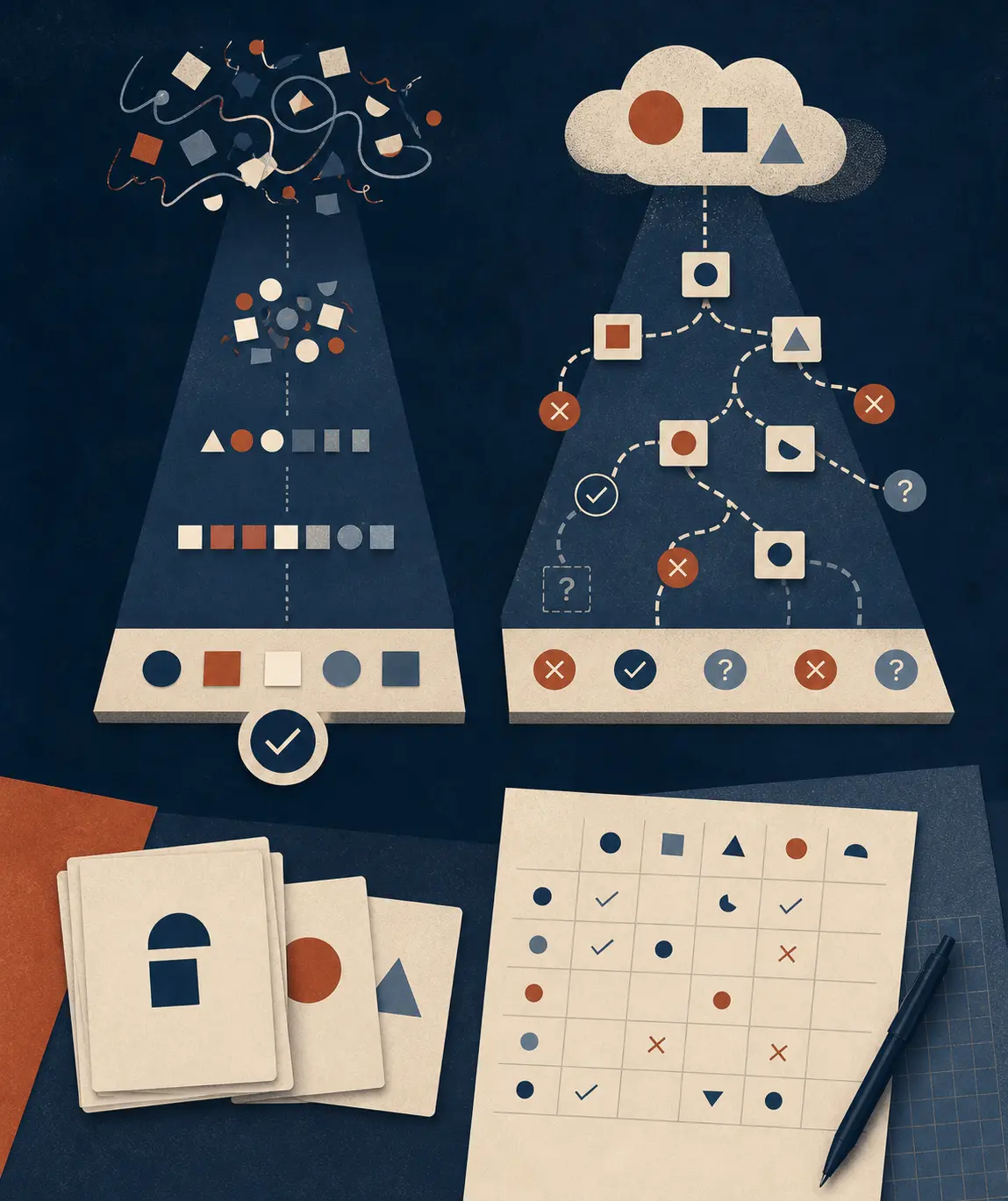
opportunity · 10 min
evaluation · 9 min
opportunity · 10 min

evaluation · 10 min

architecture · 10 min

commercial · 12 min
architecture · 13 min

evaluation · 9 min
evaluation · 8 min
opportunity · 13 min

implementation · 10 min
capability · 10 min
implementation · 12 min
capability · 9 min

opportunity · 15 min
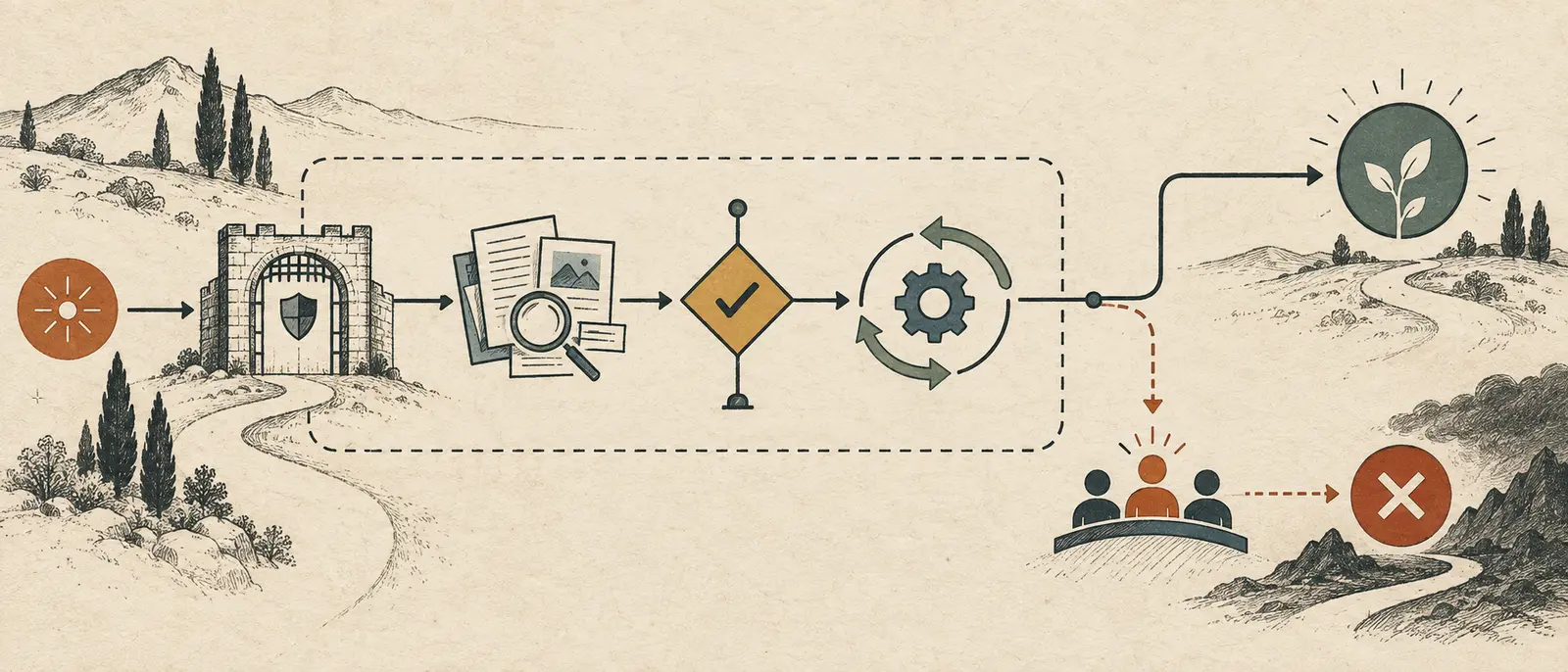
architecture · 9 min
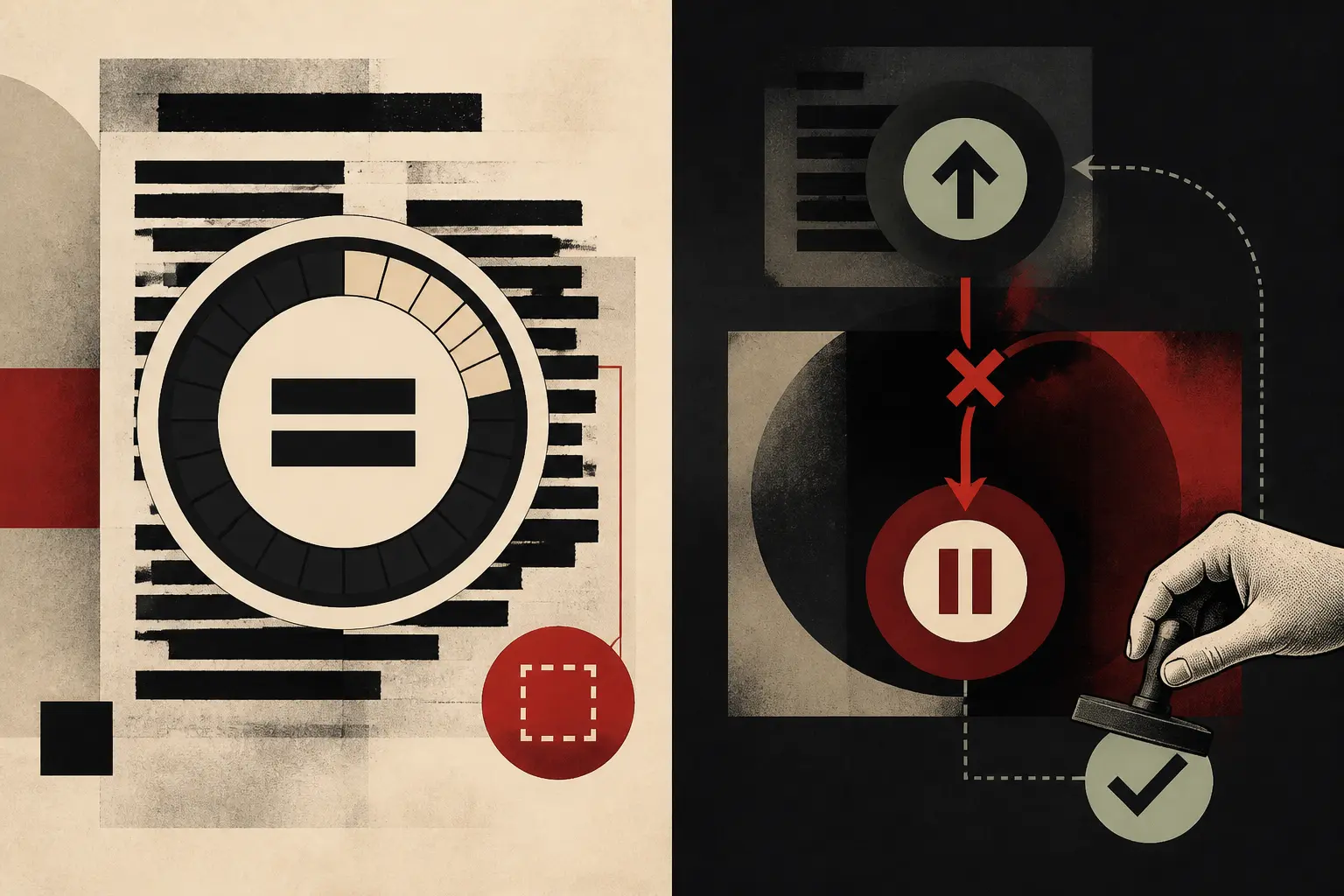
implementation · 11 min
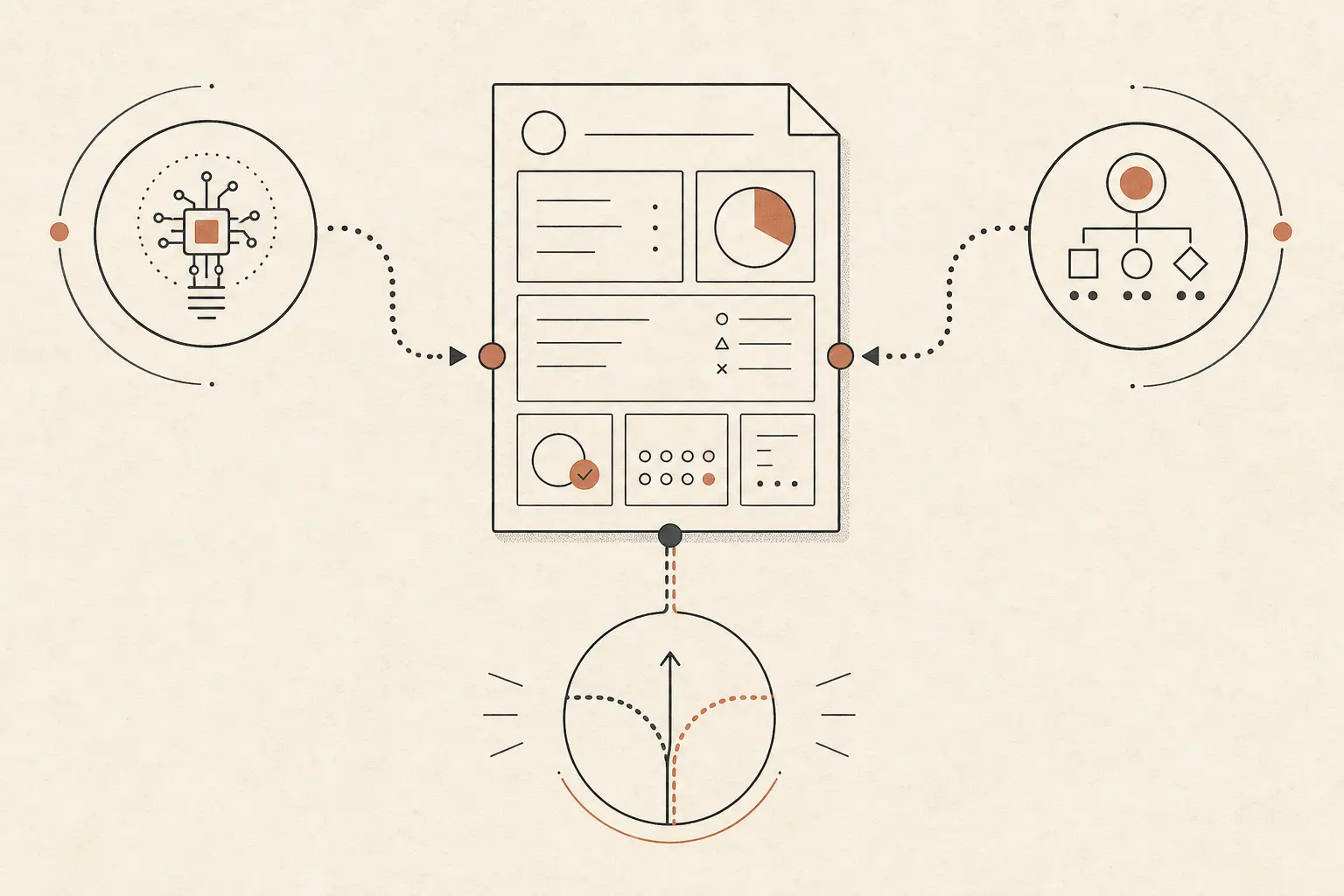
opportunity · 10 min
opportunity · 11 min

opportunity · 10 min
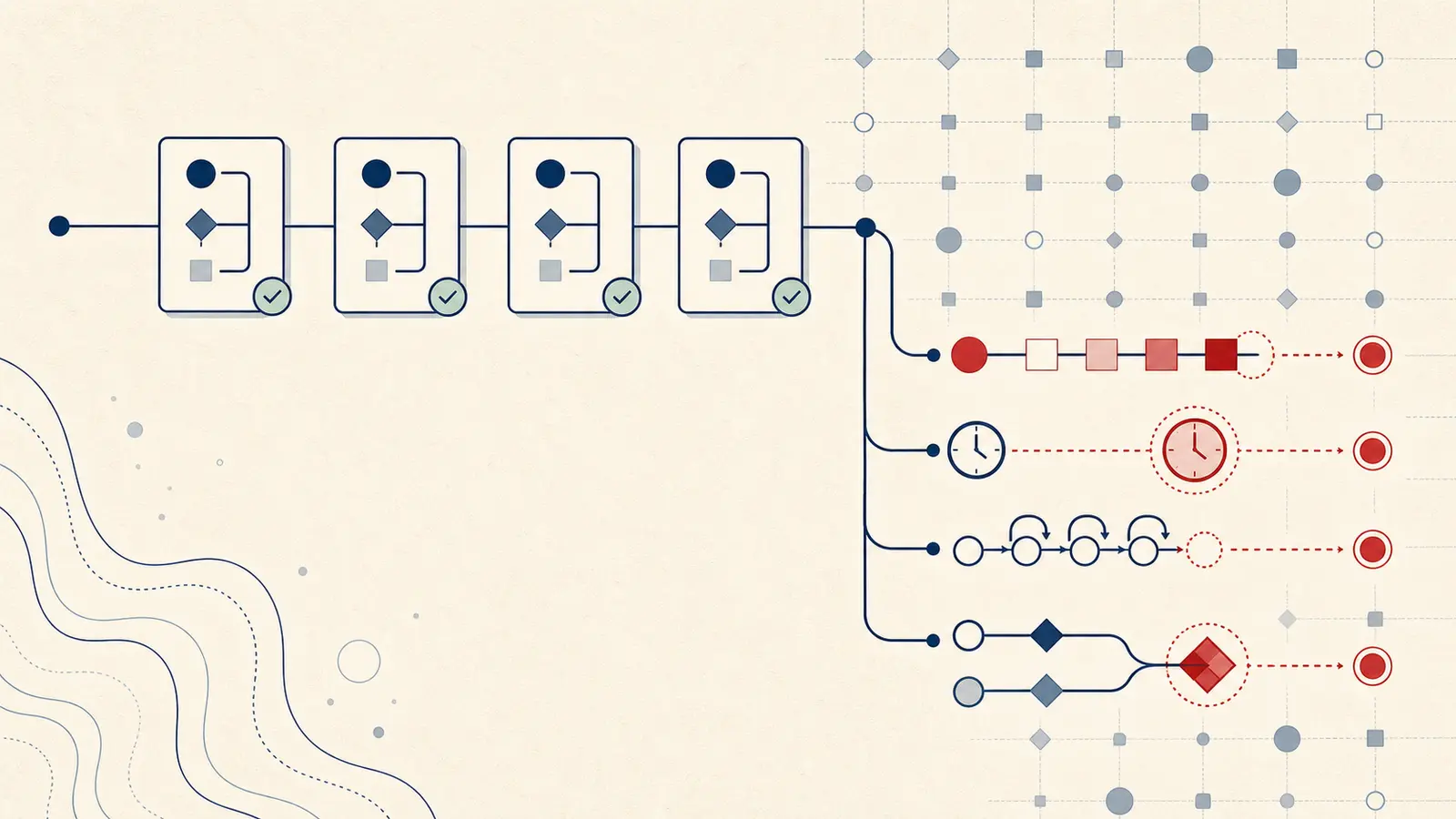
evaluation · 9 min
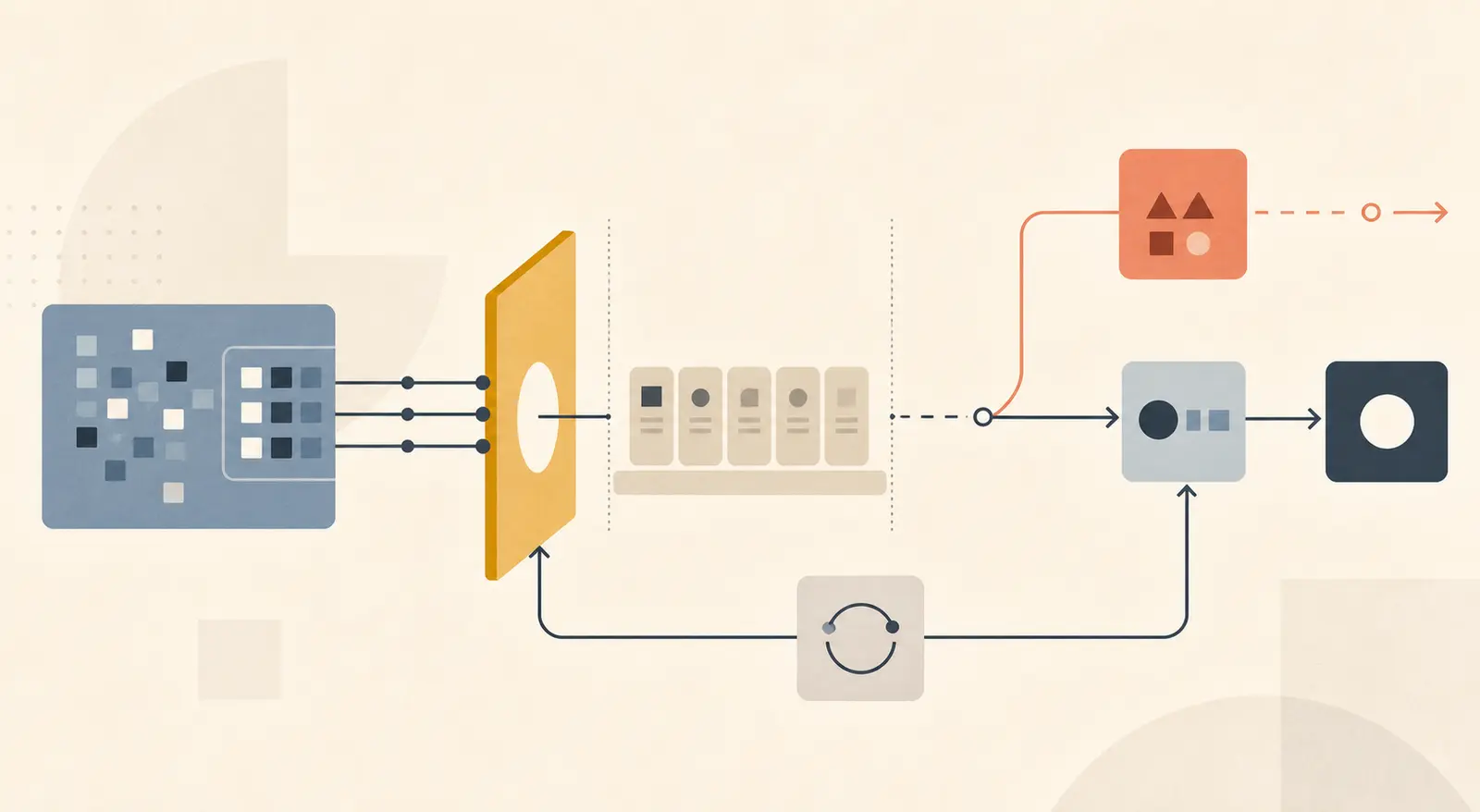
implementation · 9 min
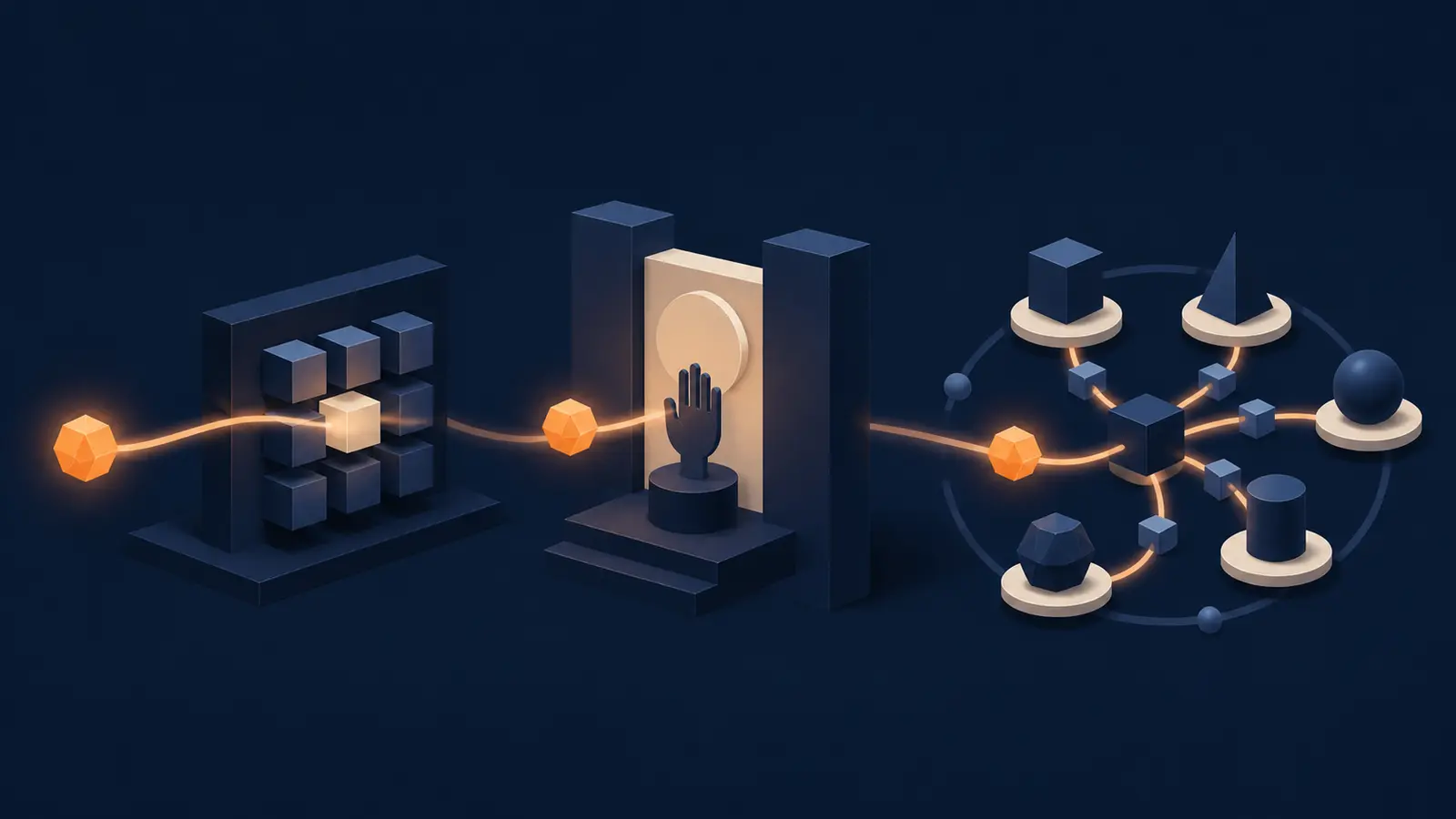
architecture · 13 min

capability · 12 min
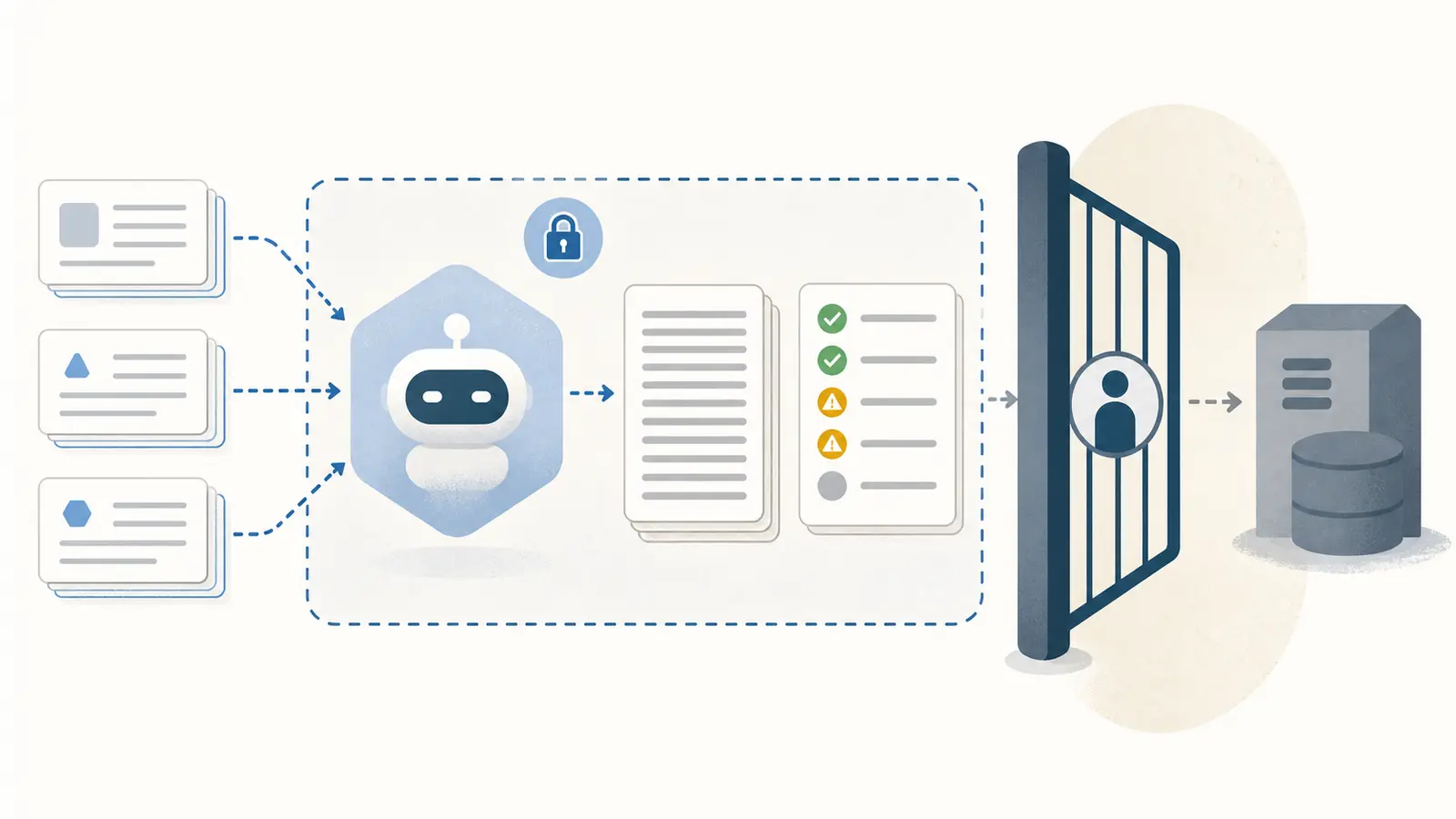
capability · 11 min
capability · 9 min

implementation · 13 min
commercial · 12 min
architecture · 8 min
capability · 10 min
capability · 10 min

commercial · 10 min
capability · 11 min
evaluation · 10 min
commercial · 11 min
evaluation · 10 min
implementation · 13 min
architecture · 10 min
capability · 10 min
opportunity · 10 min
implementation · 12 min

implementation · 10 min

evaluation · 9 min
capability · 9 min
architecture · 10 min

evaluation · 8 min
evaluation · 13 min

evaluation · 9 min
implementation · 10 min
capability · 9 min
commercial · 12 min
capability · 10 min
architecture · 15 min
opportunity · 9 min
architecture · 10 min

capability · 11 min
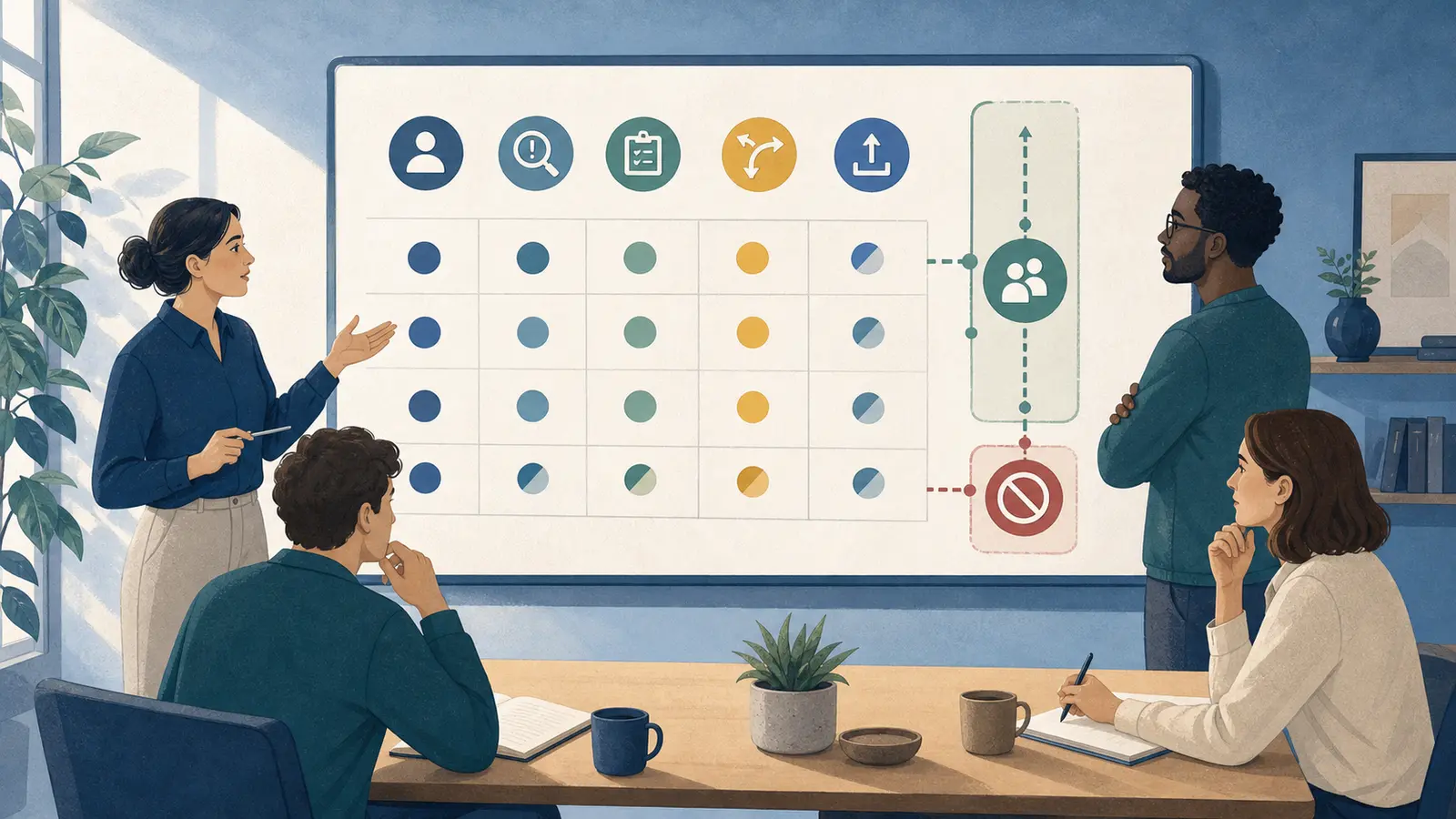
capability · 8 min

architecture · 12 min
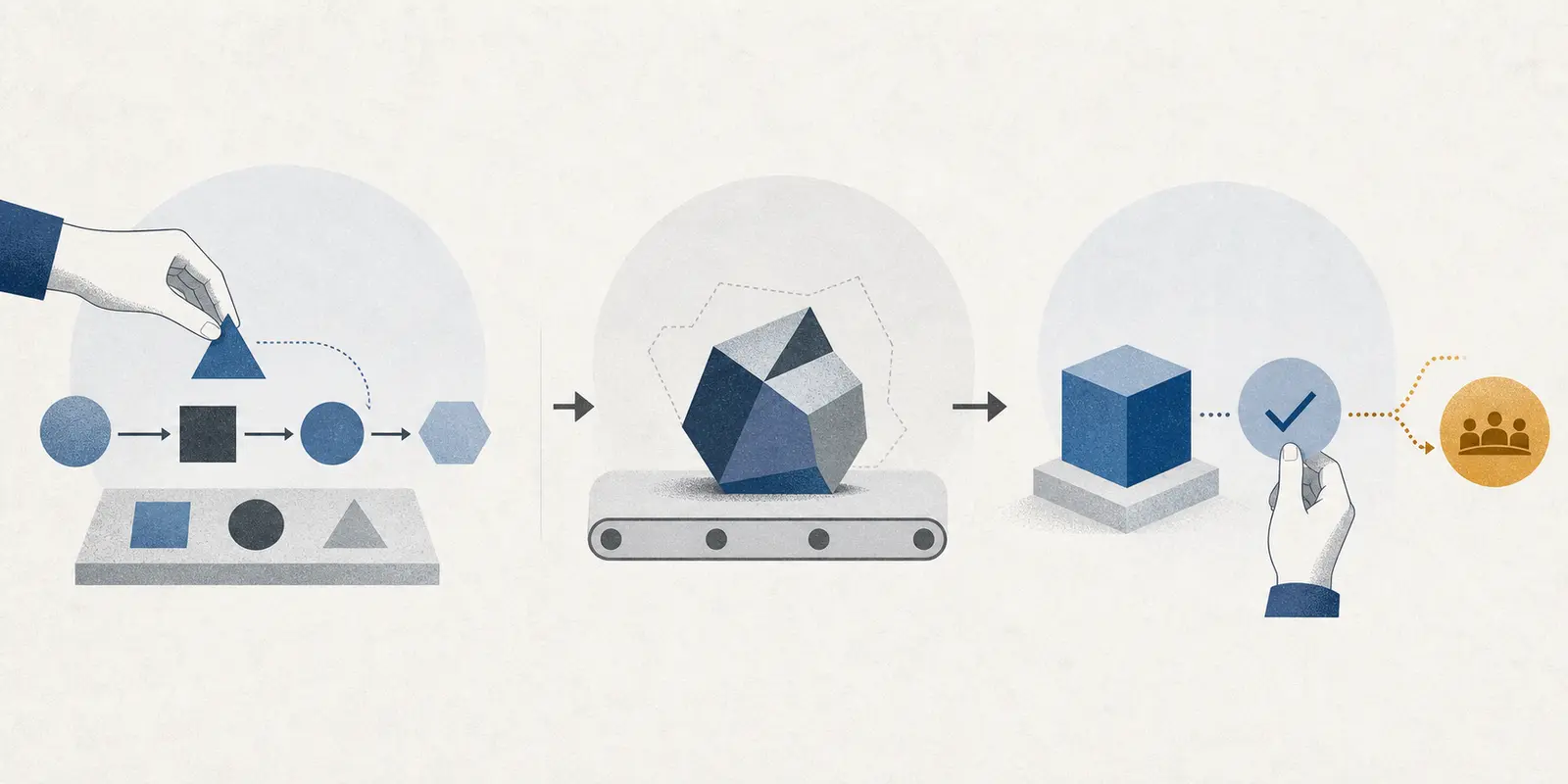
evaluation · 9 min
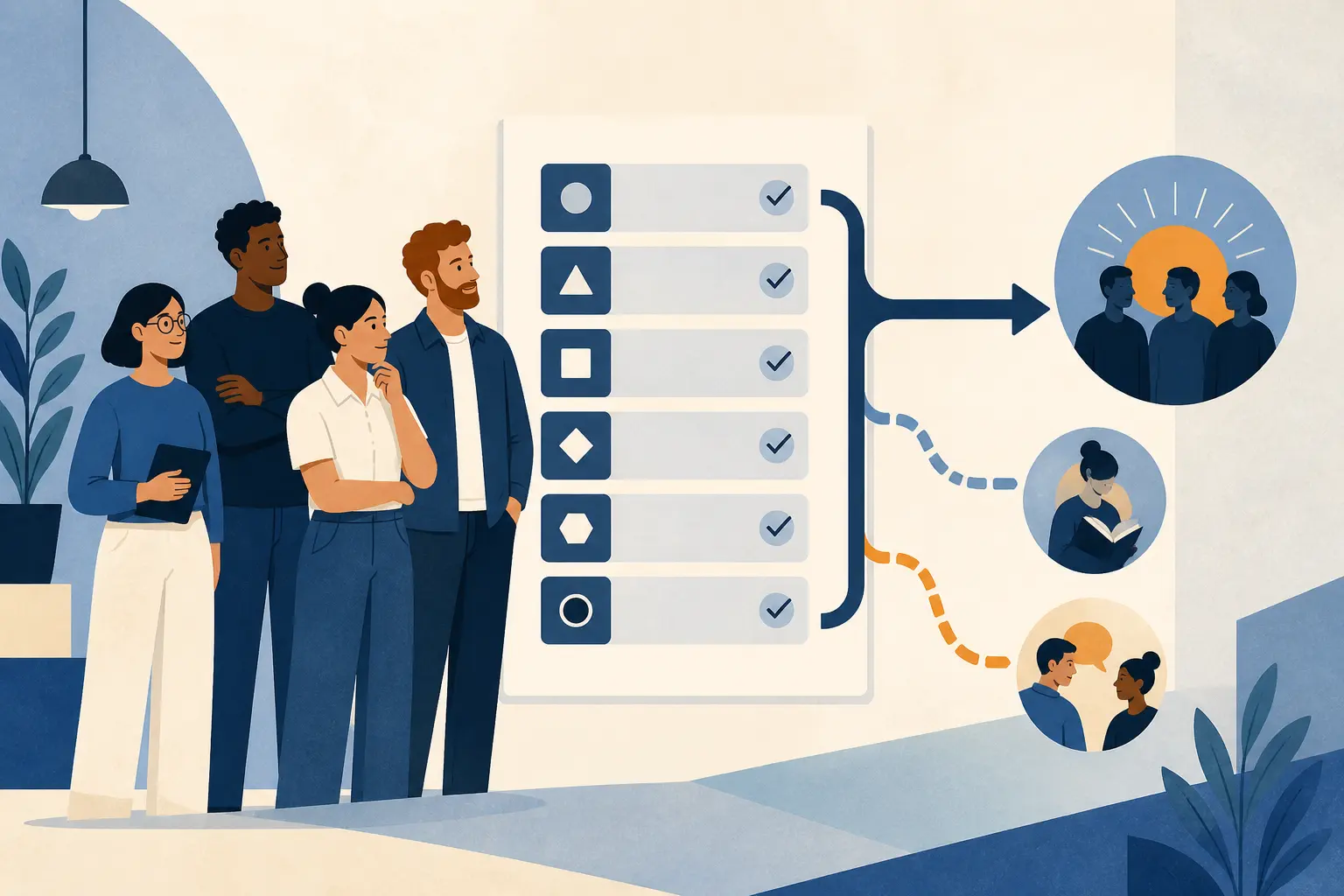
commercial · 10 min

commercial · 9 min
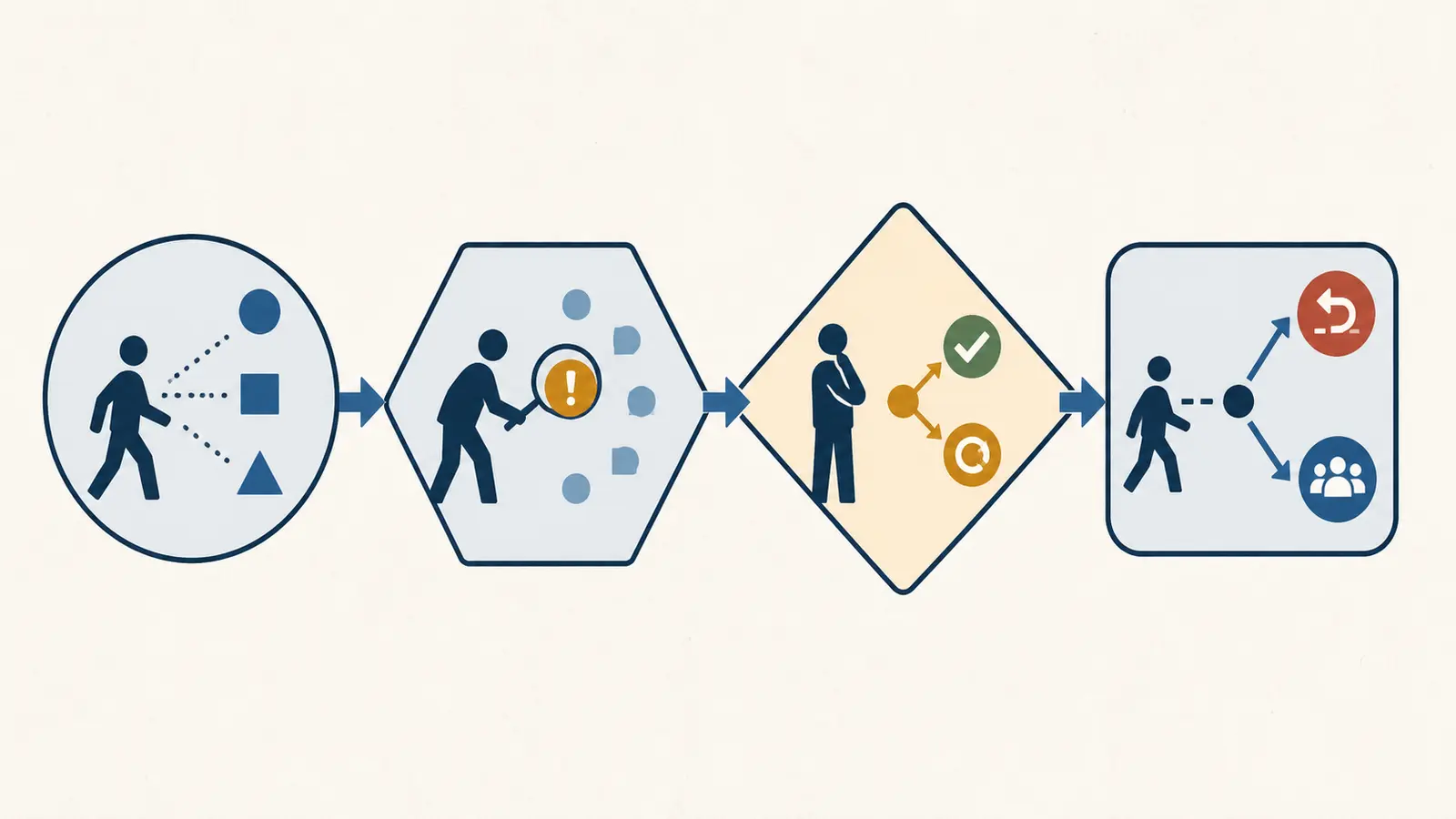
opportunity · 10 min
opportunity · 10 min

capability · 9 min
commercial · 11 min
capability · 11 min
implementation · 10 min
implementation · 11 min
implementation · 10 min
opportunity · 10 min
opportunity · 9 min
implementation · 7 min
architecture · 8 min
implementation · 8 min

architecture · 11 min

capability · 13 min
commercial · 11 min
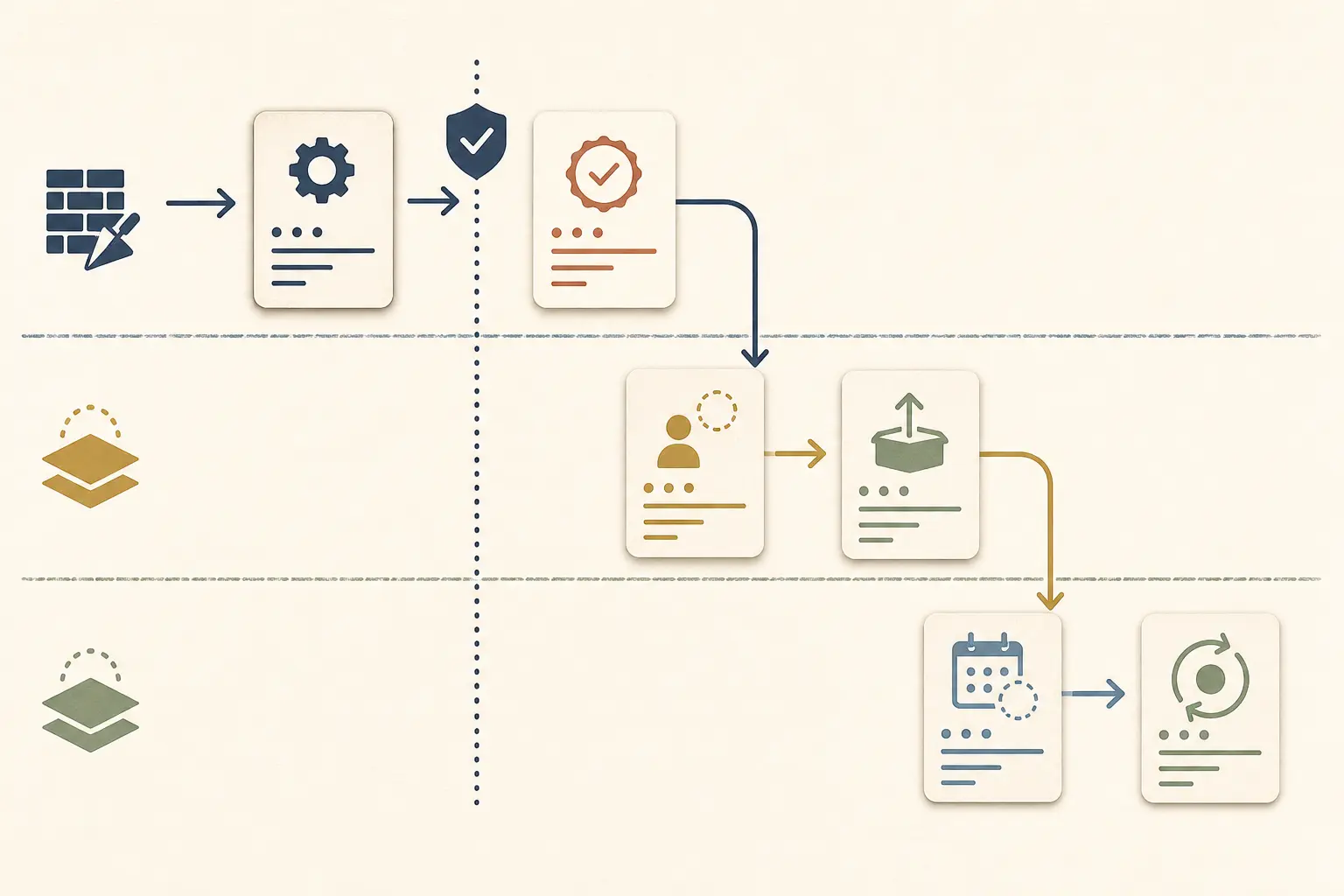
implementation · 14 min
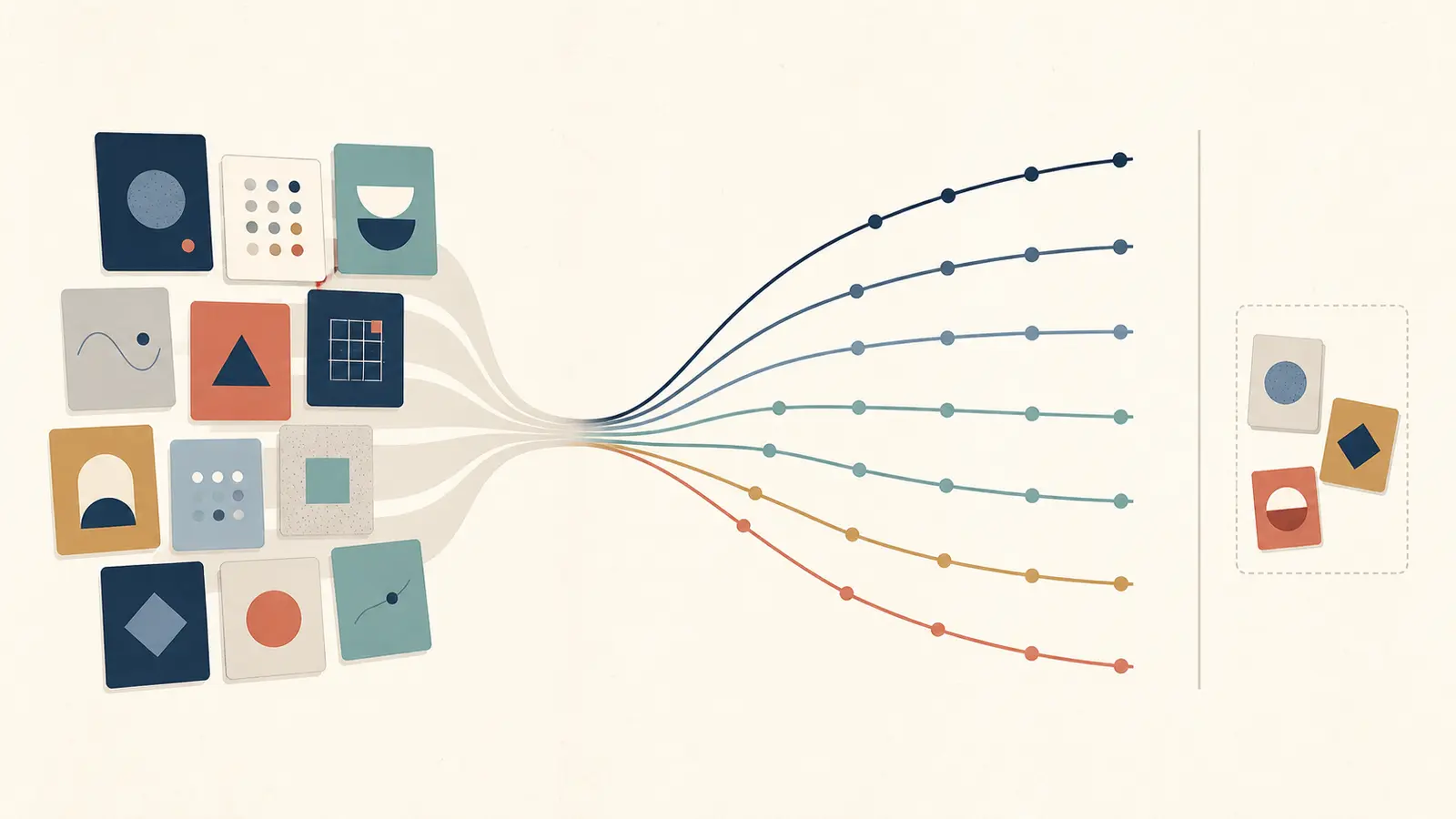
evaluation · 12 min
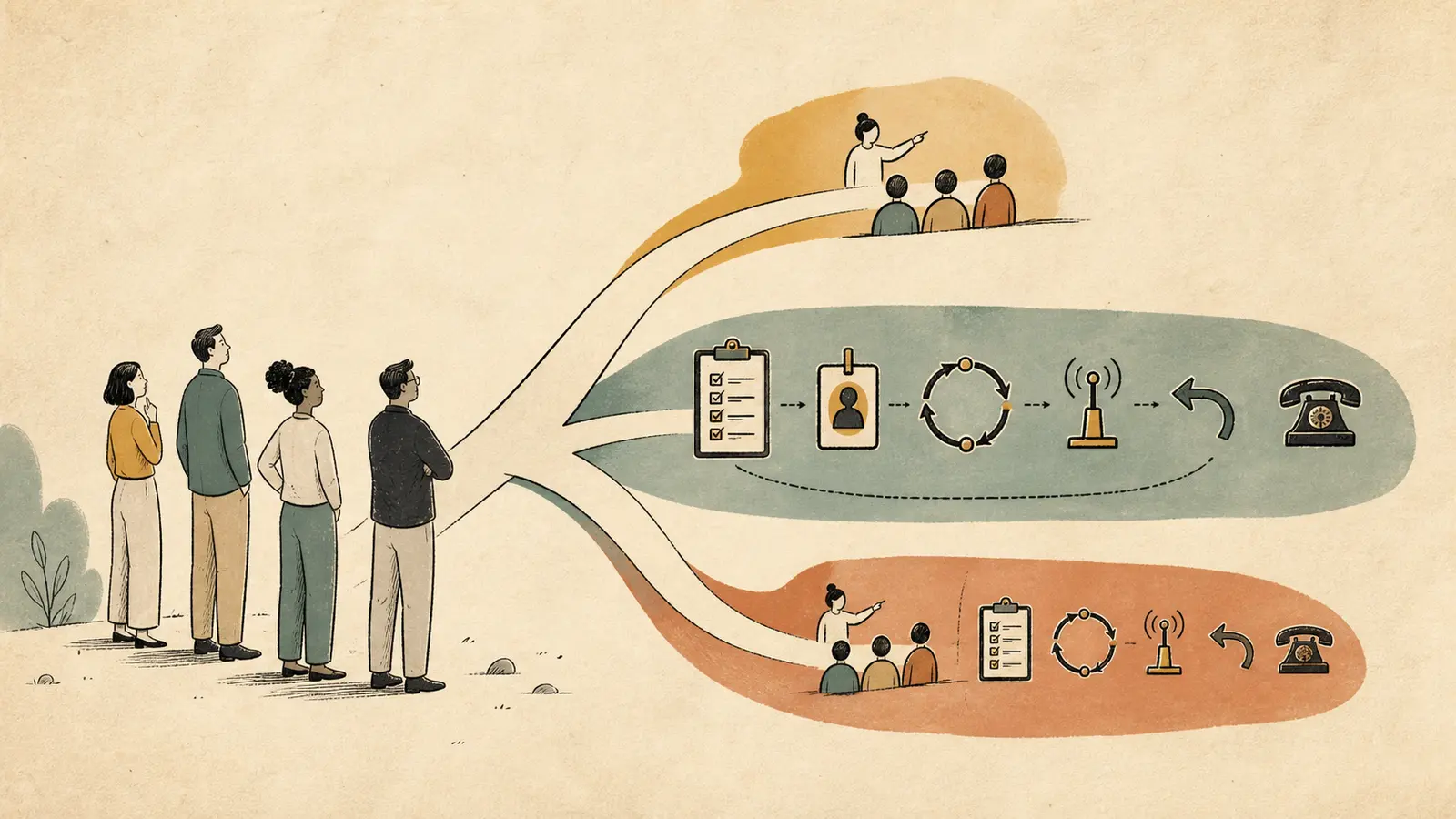
implementation · 7 min
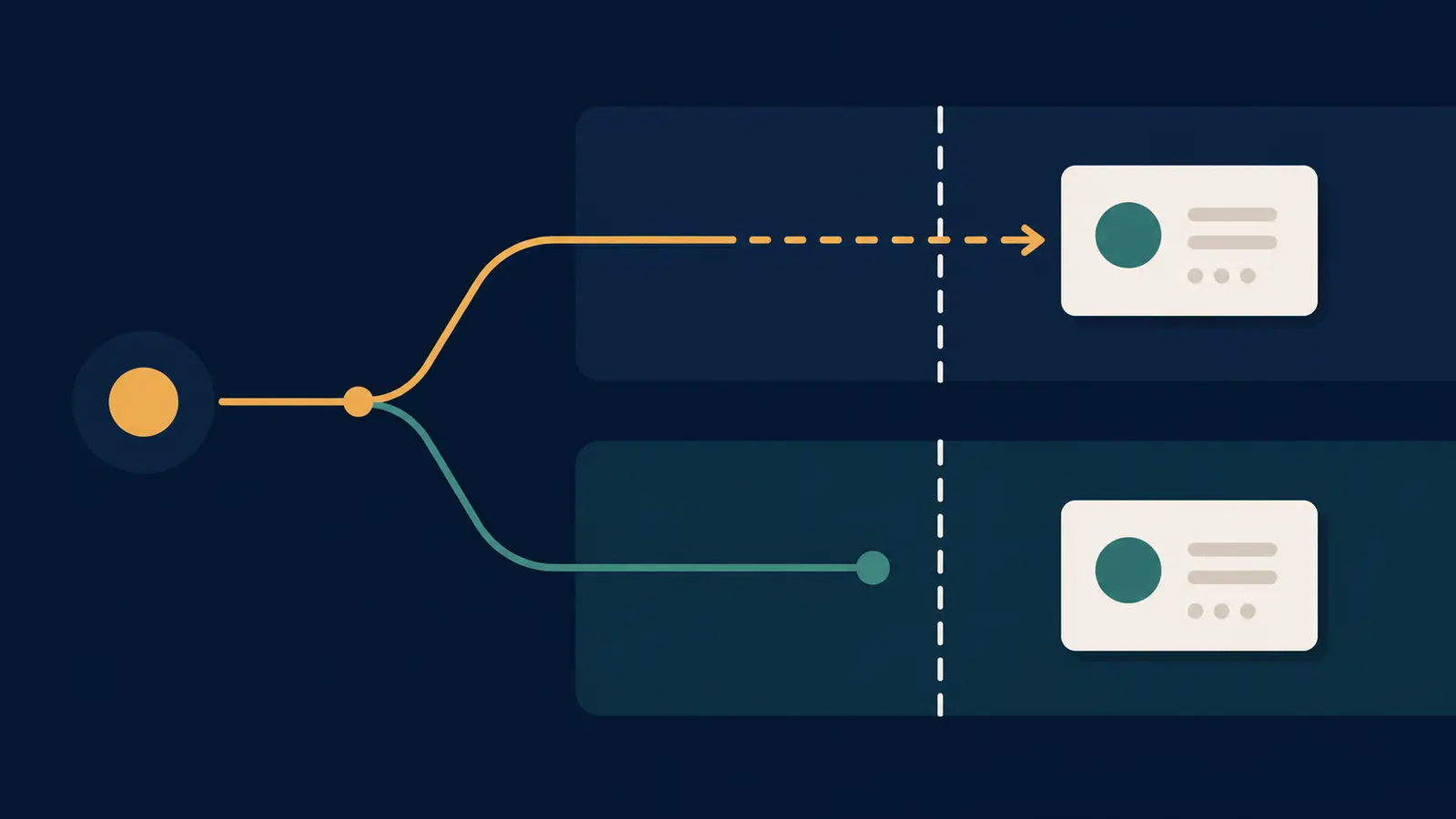
implementation · 10 min
architecture · 12 min
architecture · 12 min
capability · 11 min
implementation · 9 min
evaluation · 10 min
evaluation · 8 min
architecture · 8 min
opportunity · 11 min

capability · 10 min
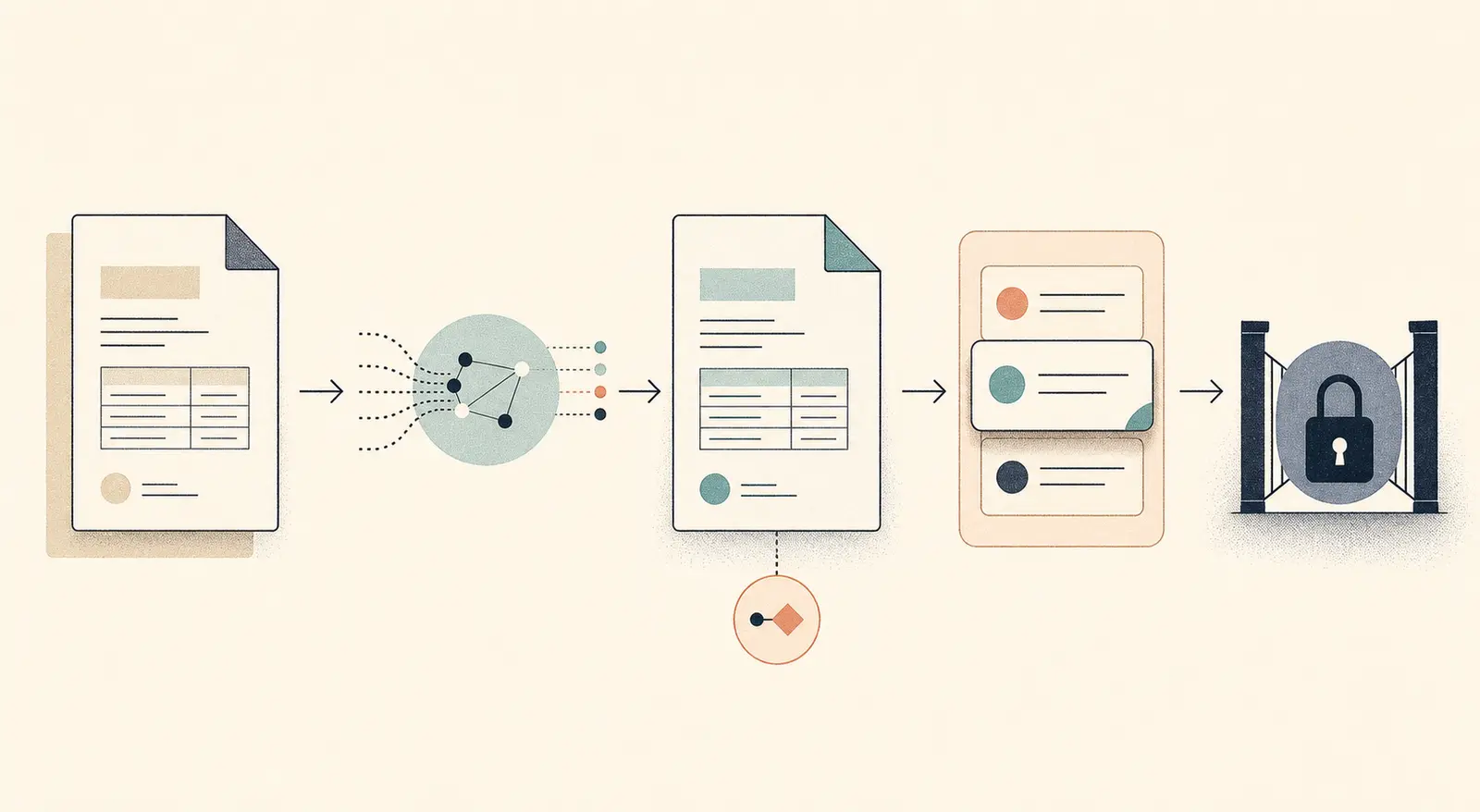
implementation · 9 min

implementation · 8 min
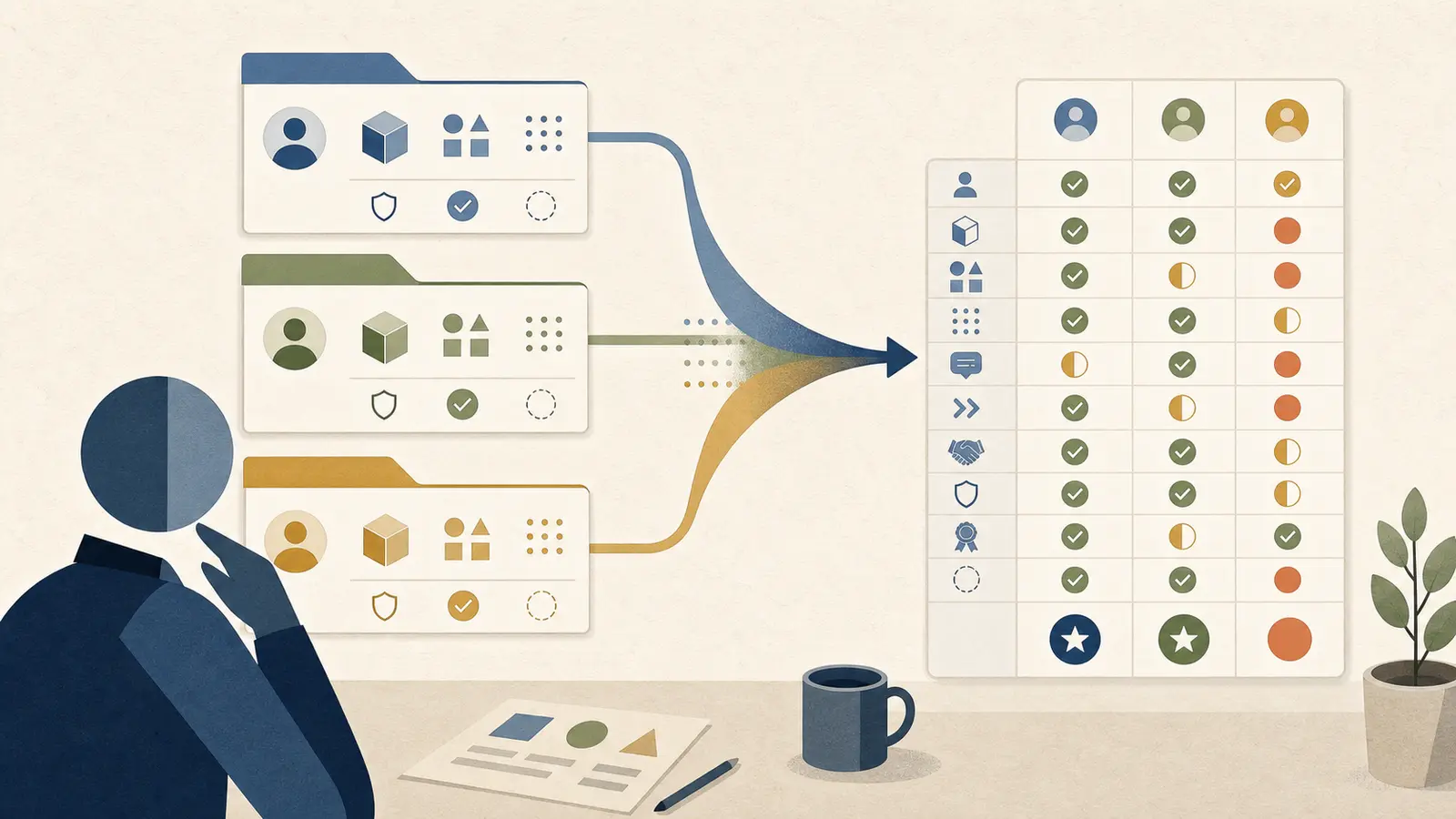
commercial · 11 min
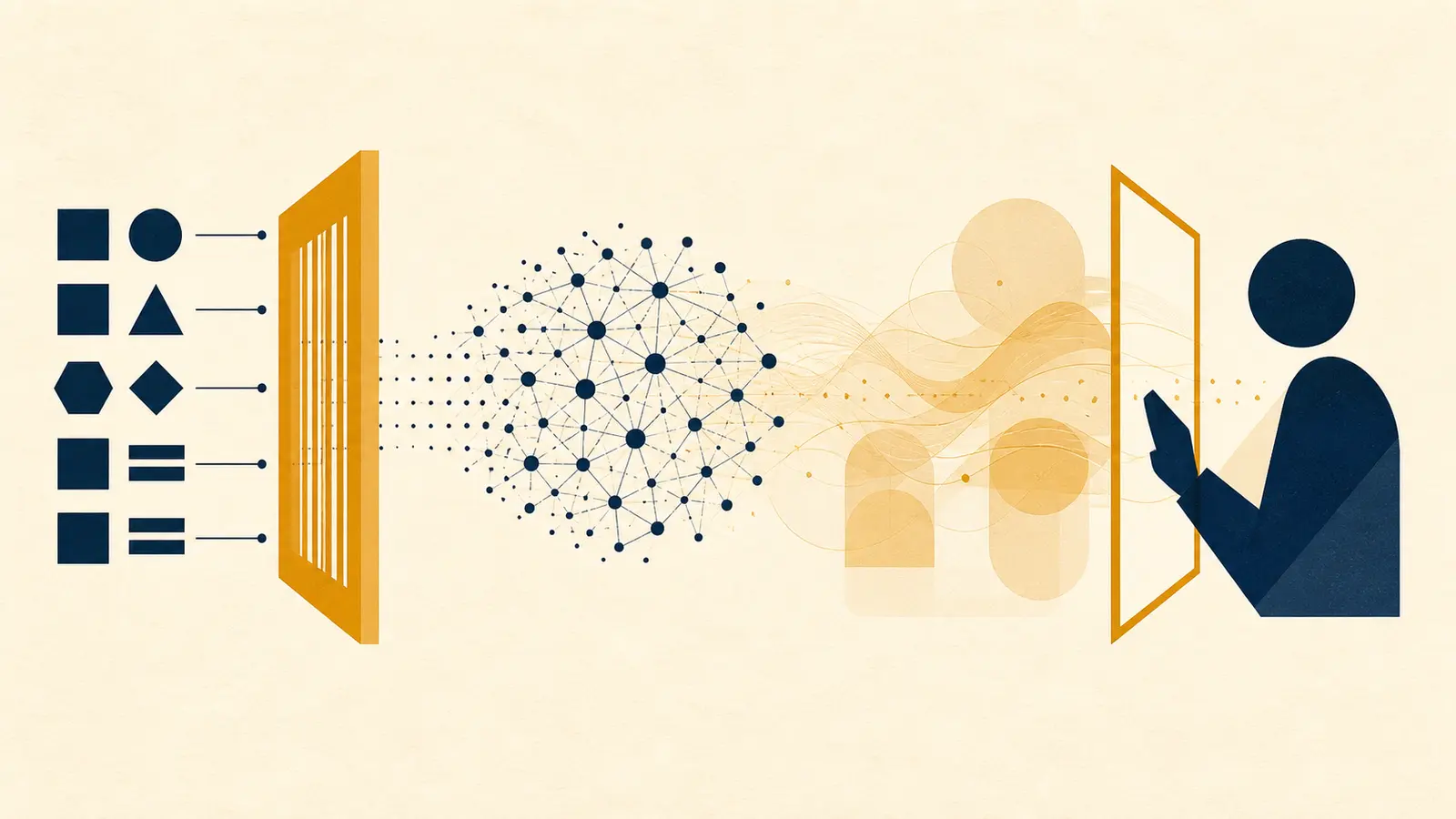
architecture · 9 min
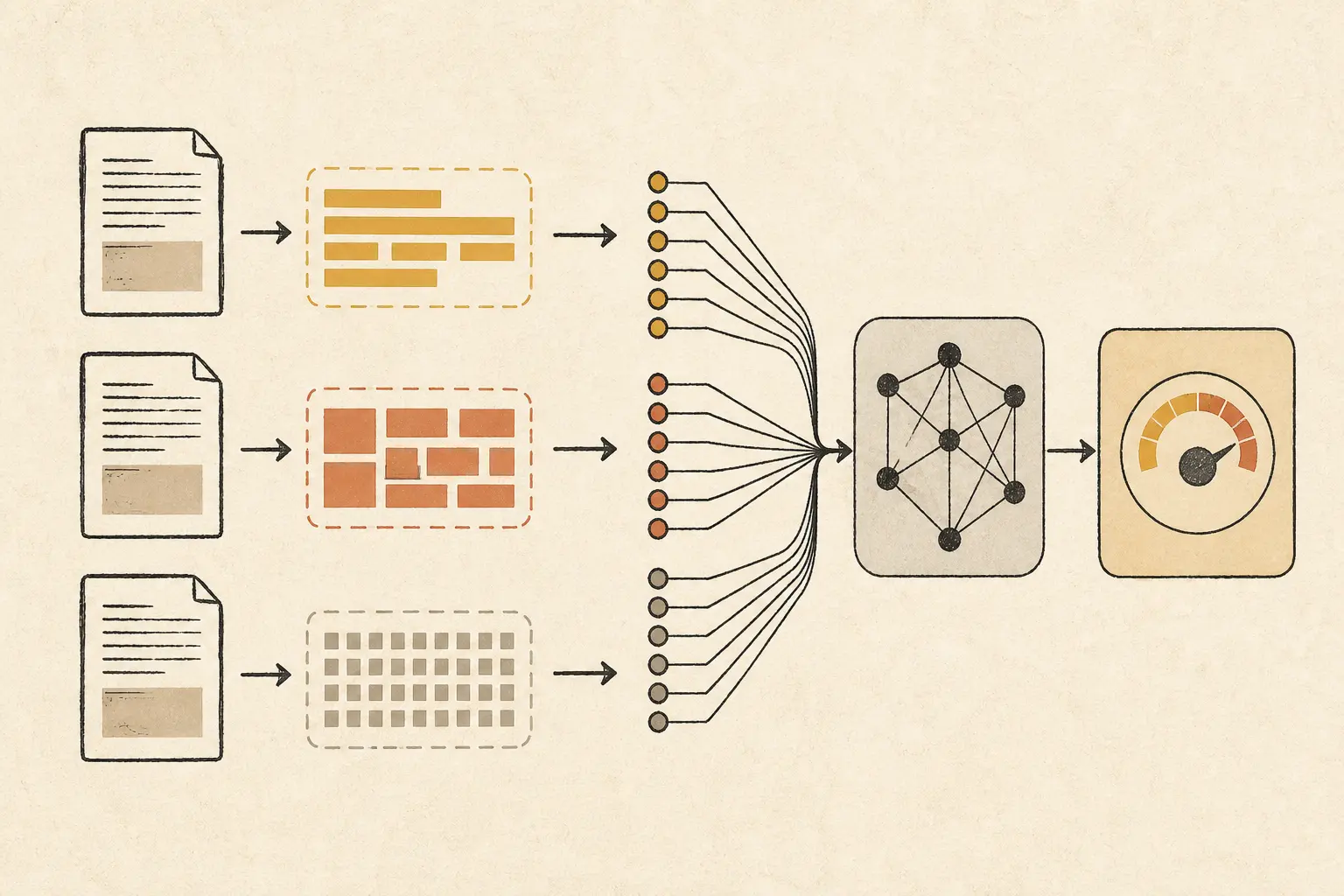
evaluation · 10 min

capability · 11 min
implementation · 8 min
opportunity · 11 min
implementation · 8 min
architecture · 11 min
implementation · 9 min

evaluation · 10 min
commercial · 8 min
opportunity · 7 min
evaluation · 11 min
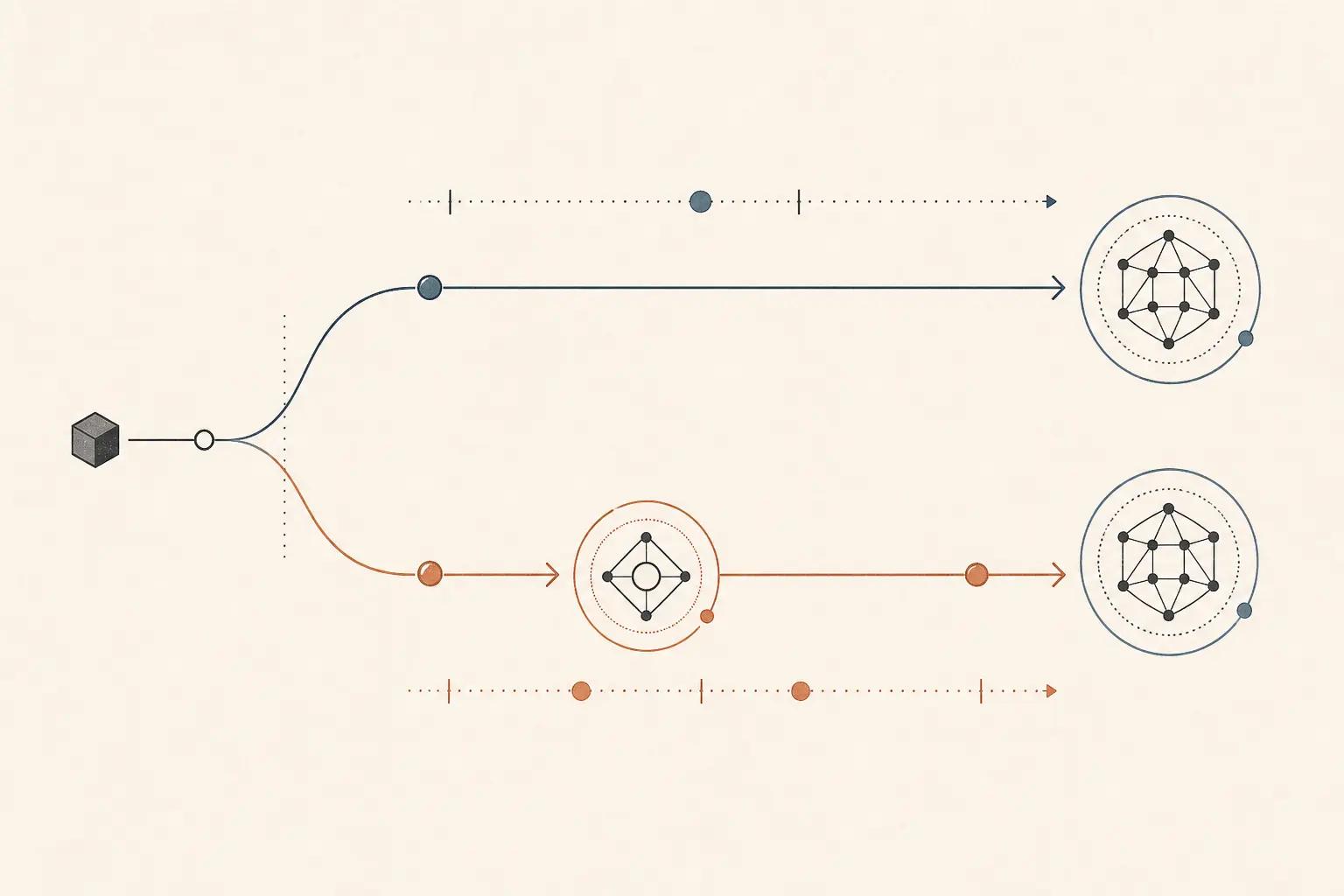
architecture · 9 min

implementation · 8 min

opportunity · 11 min
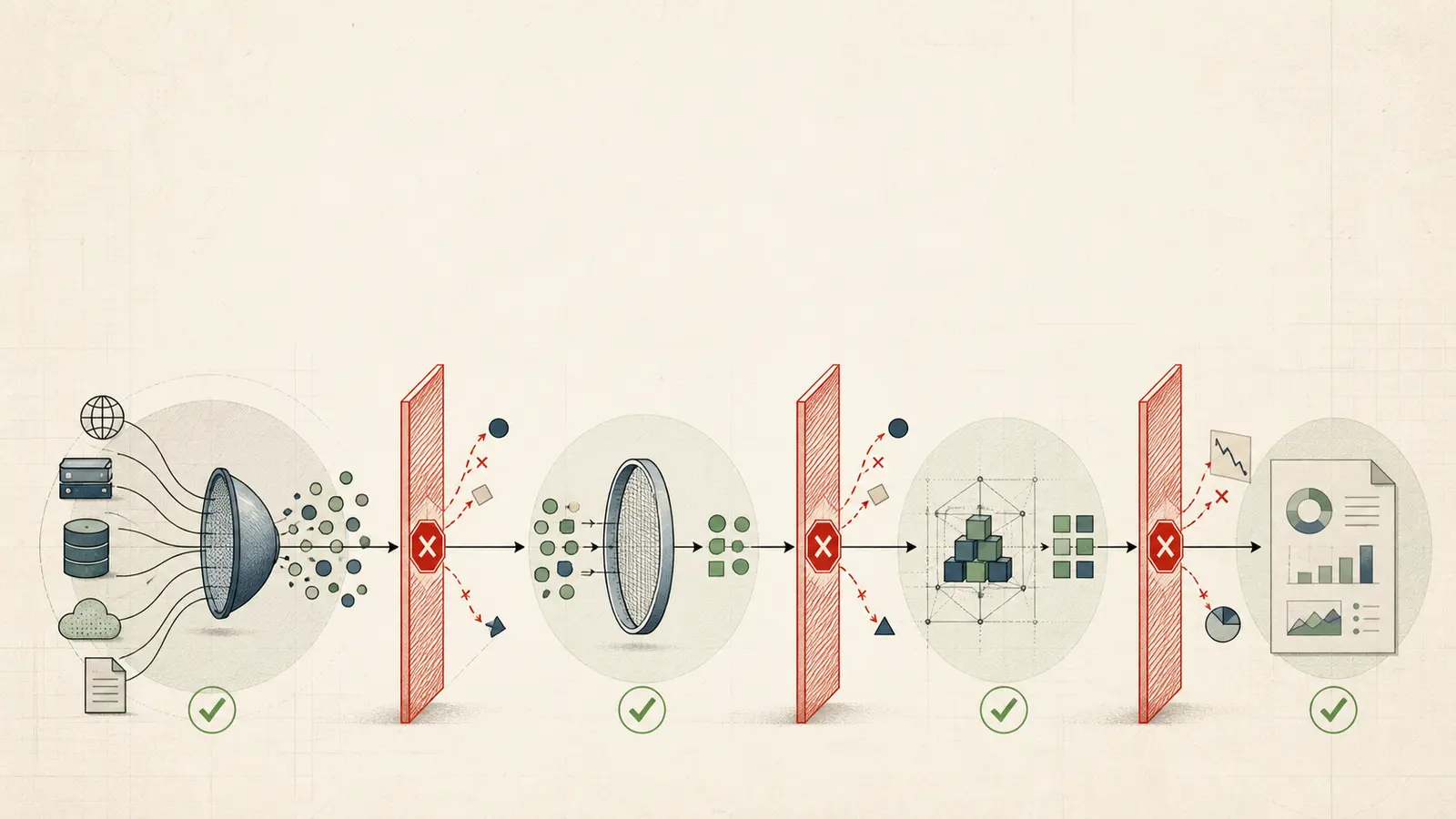
evaluation · 8 min
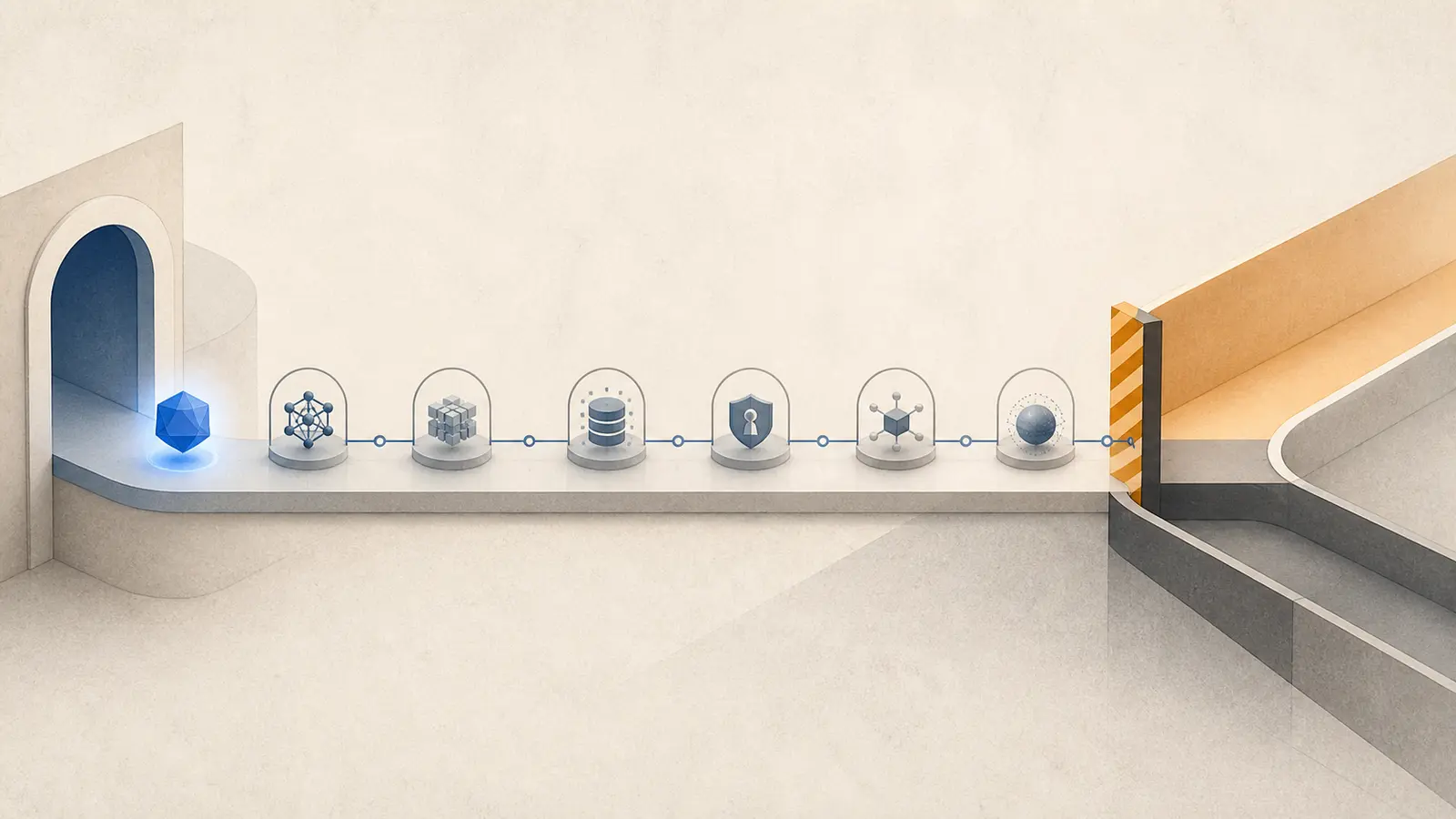
evaluation · 8 min
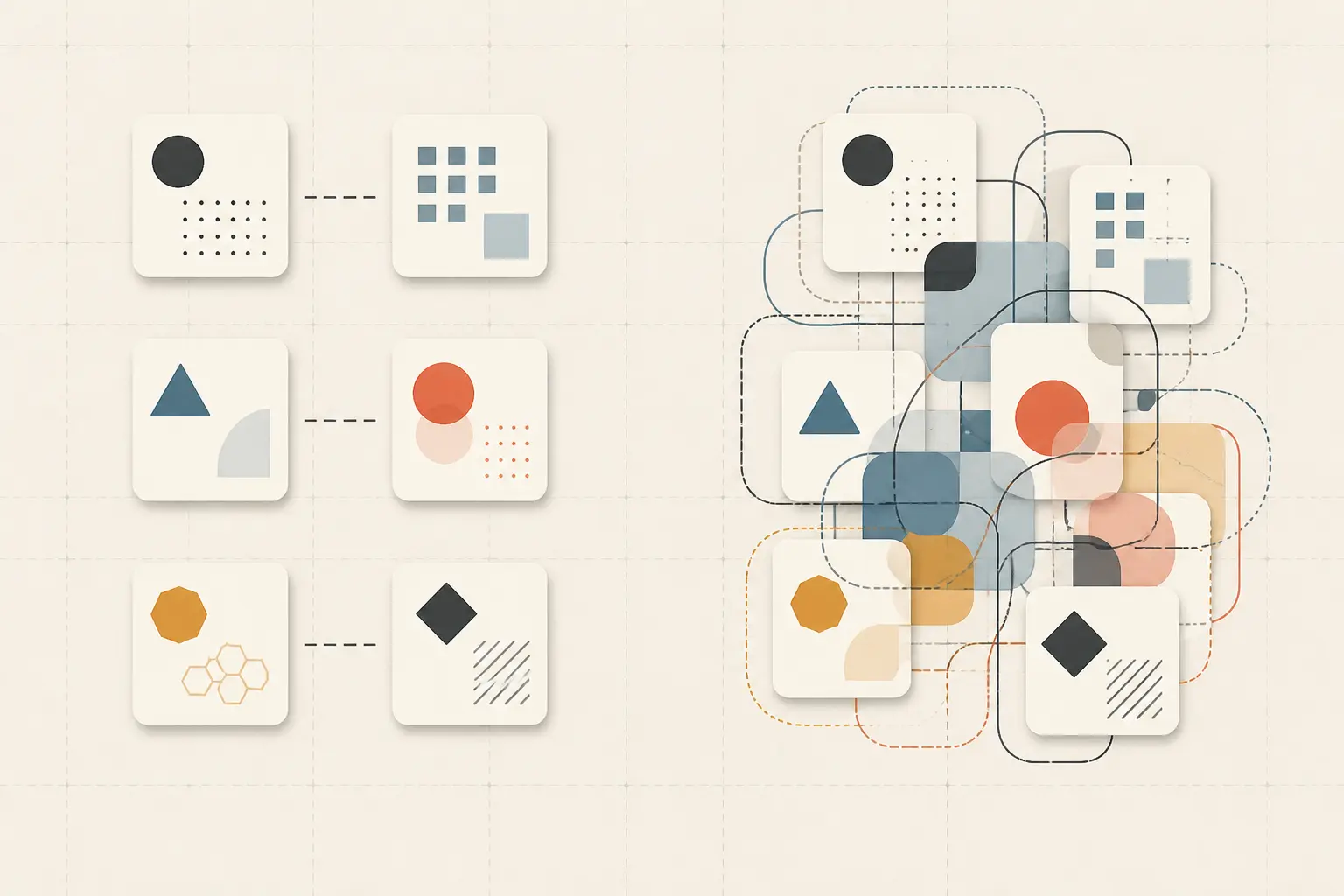
architecture · 11 min

evaluation · 17 min
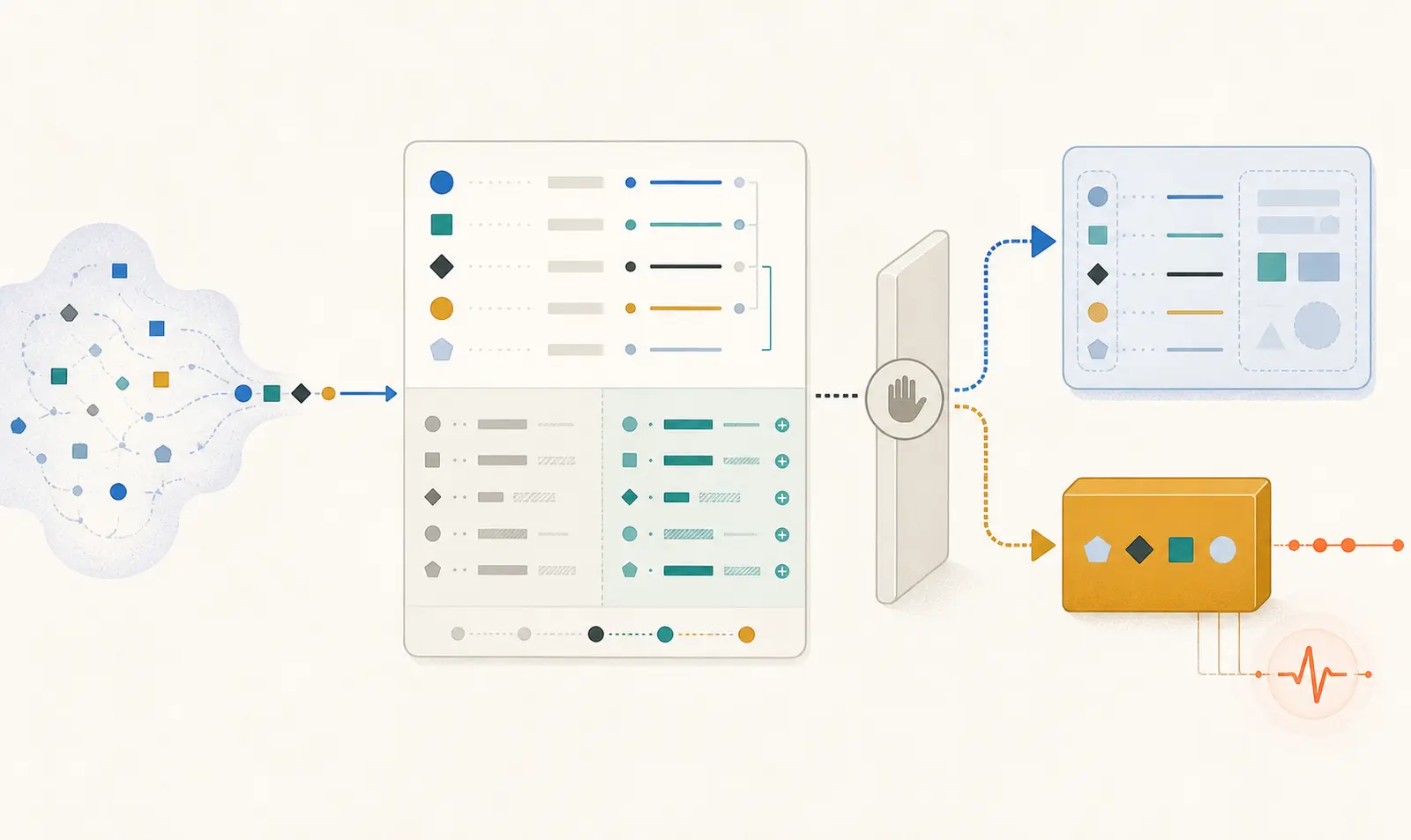
implementation · 7 min
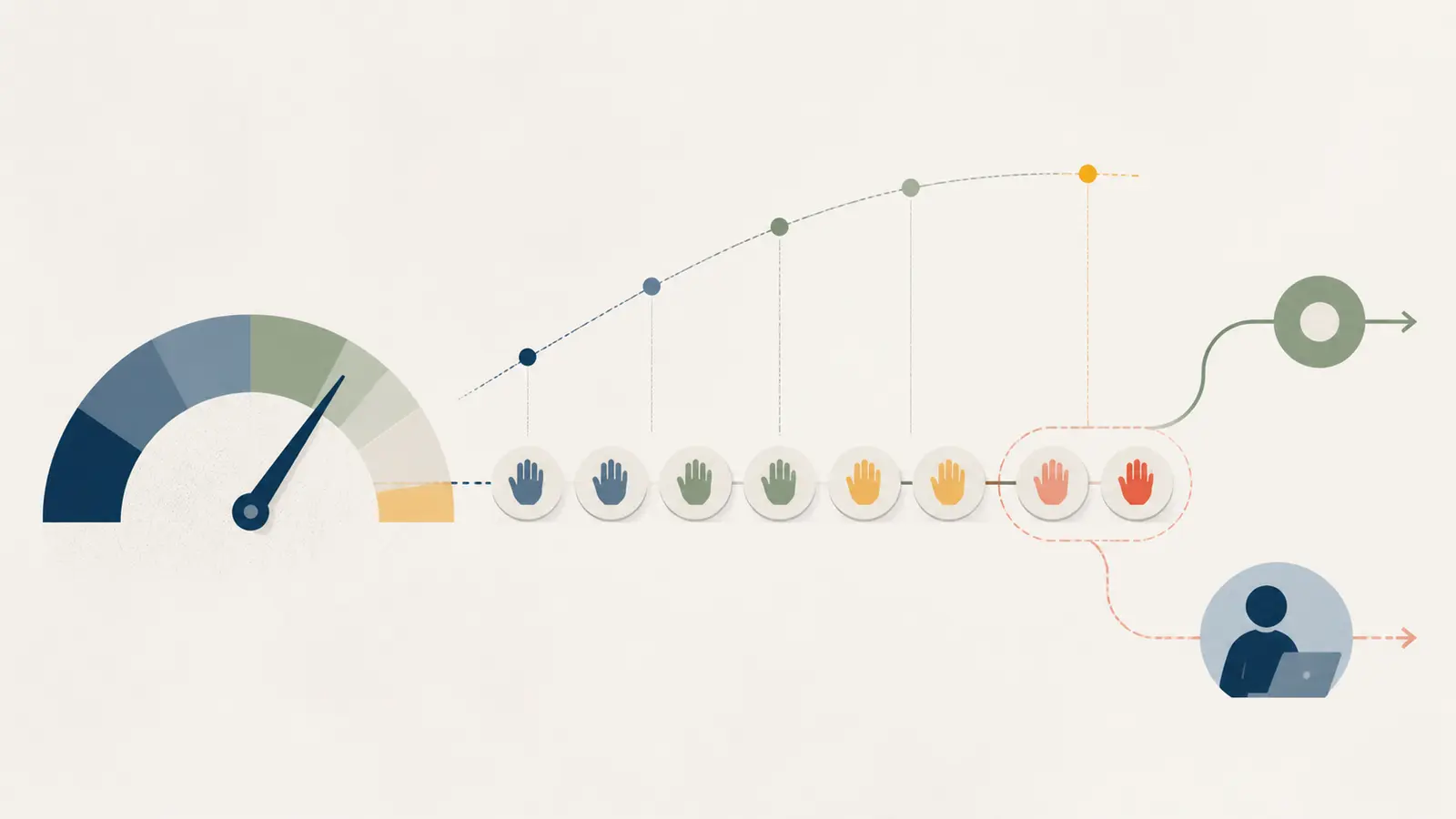
implementation · 7 min
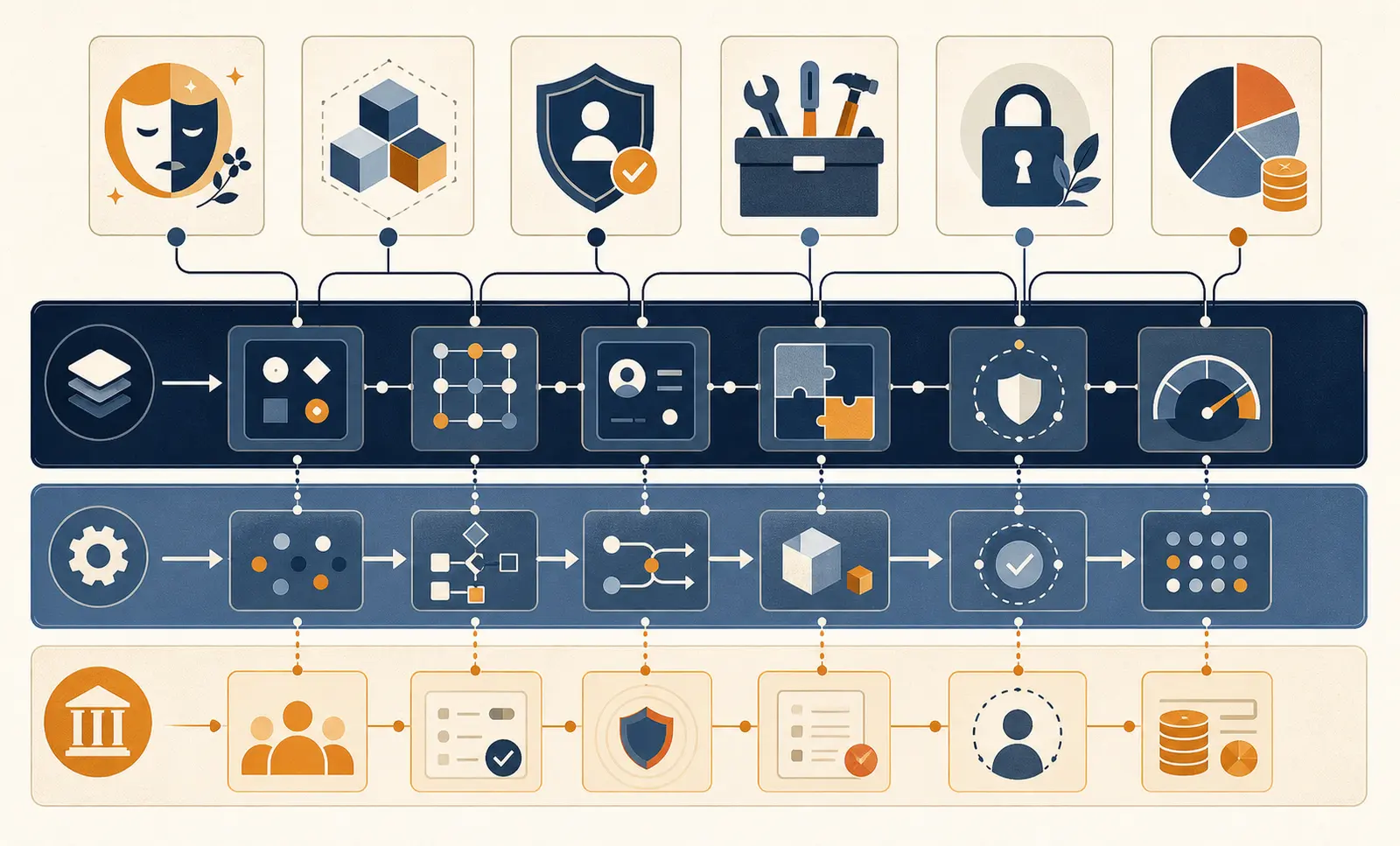
architecture · 13 min
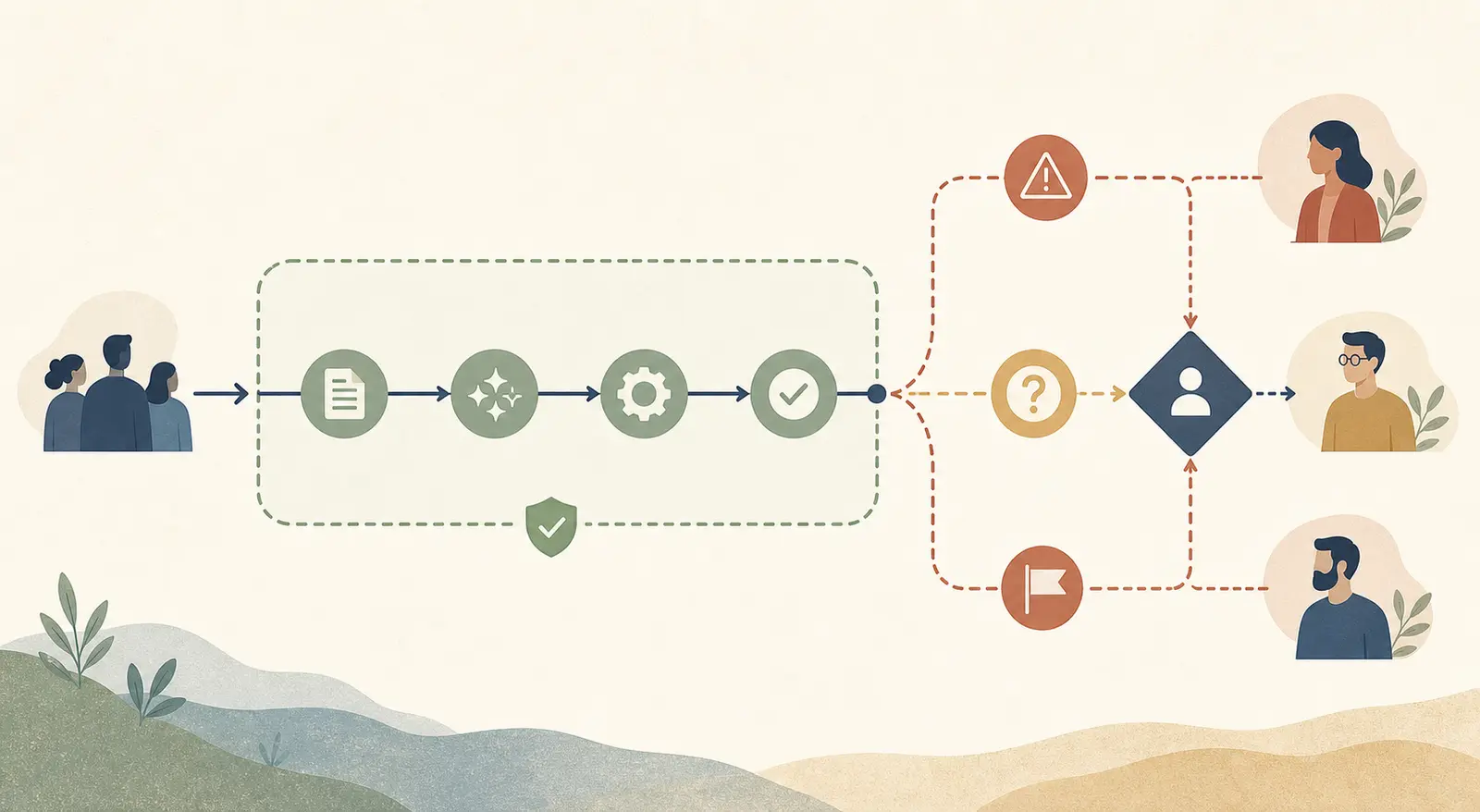
opportunity · 12 min
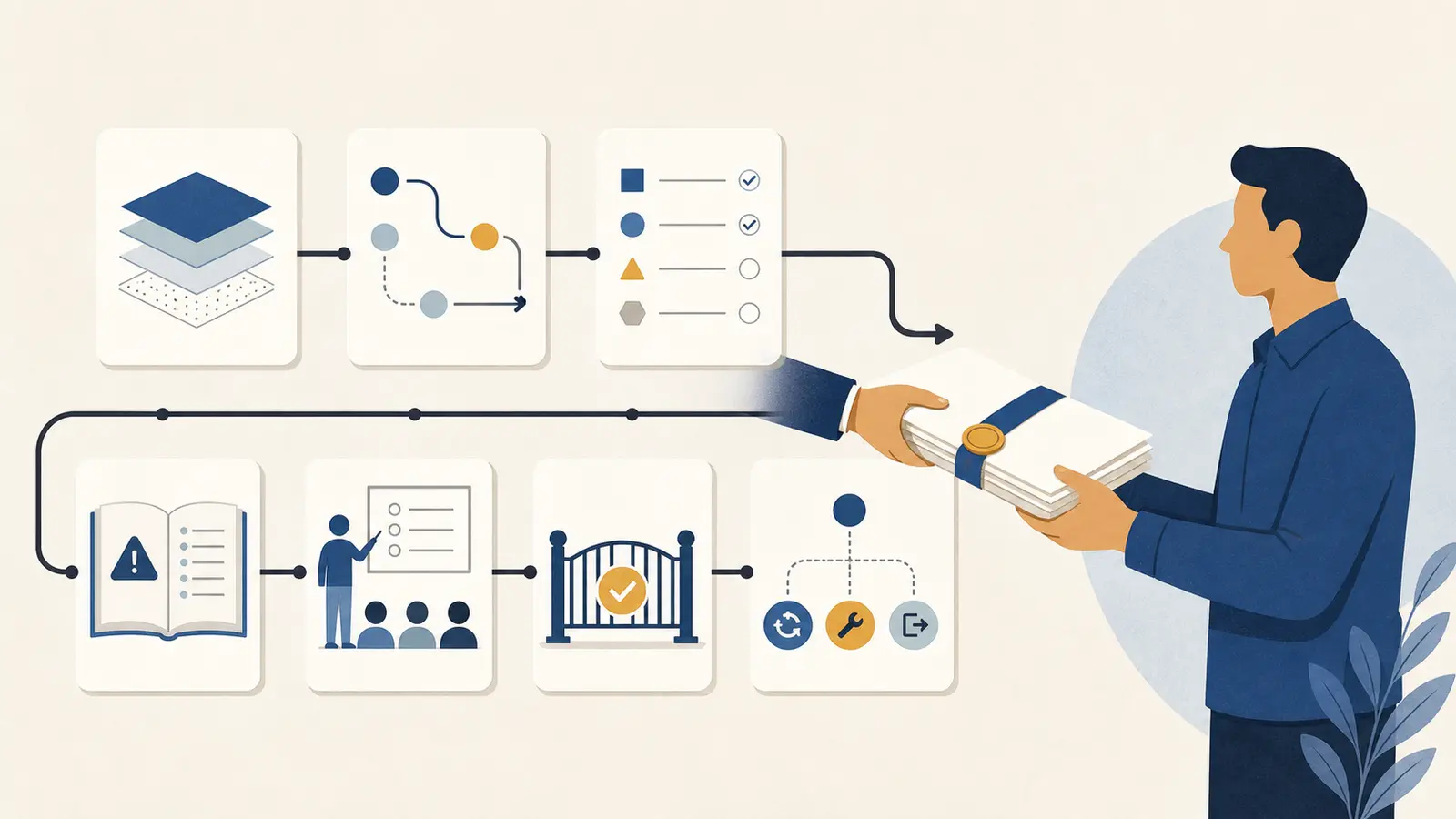
commercial · 10 min
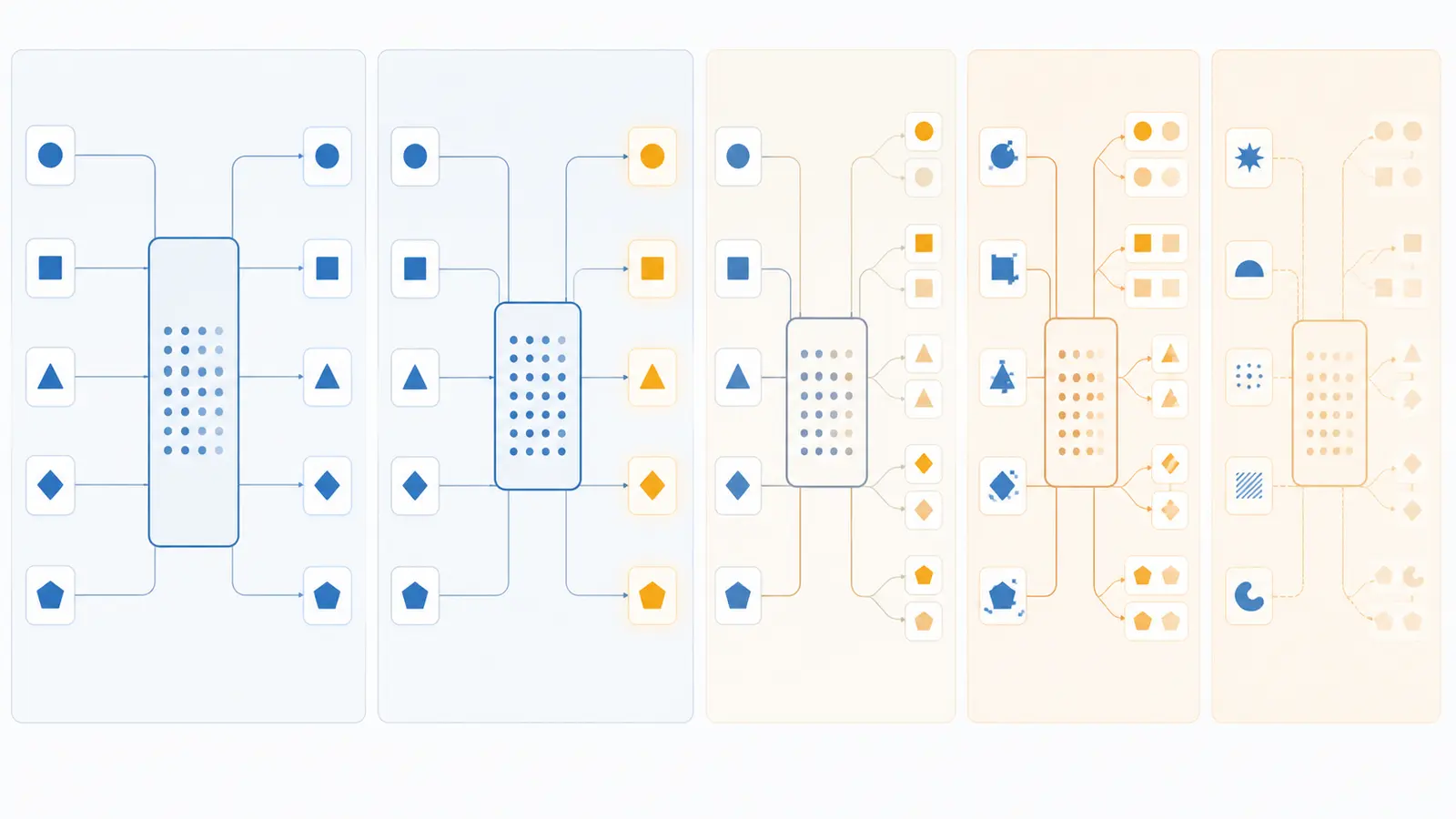
evaluation · 13 min
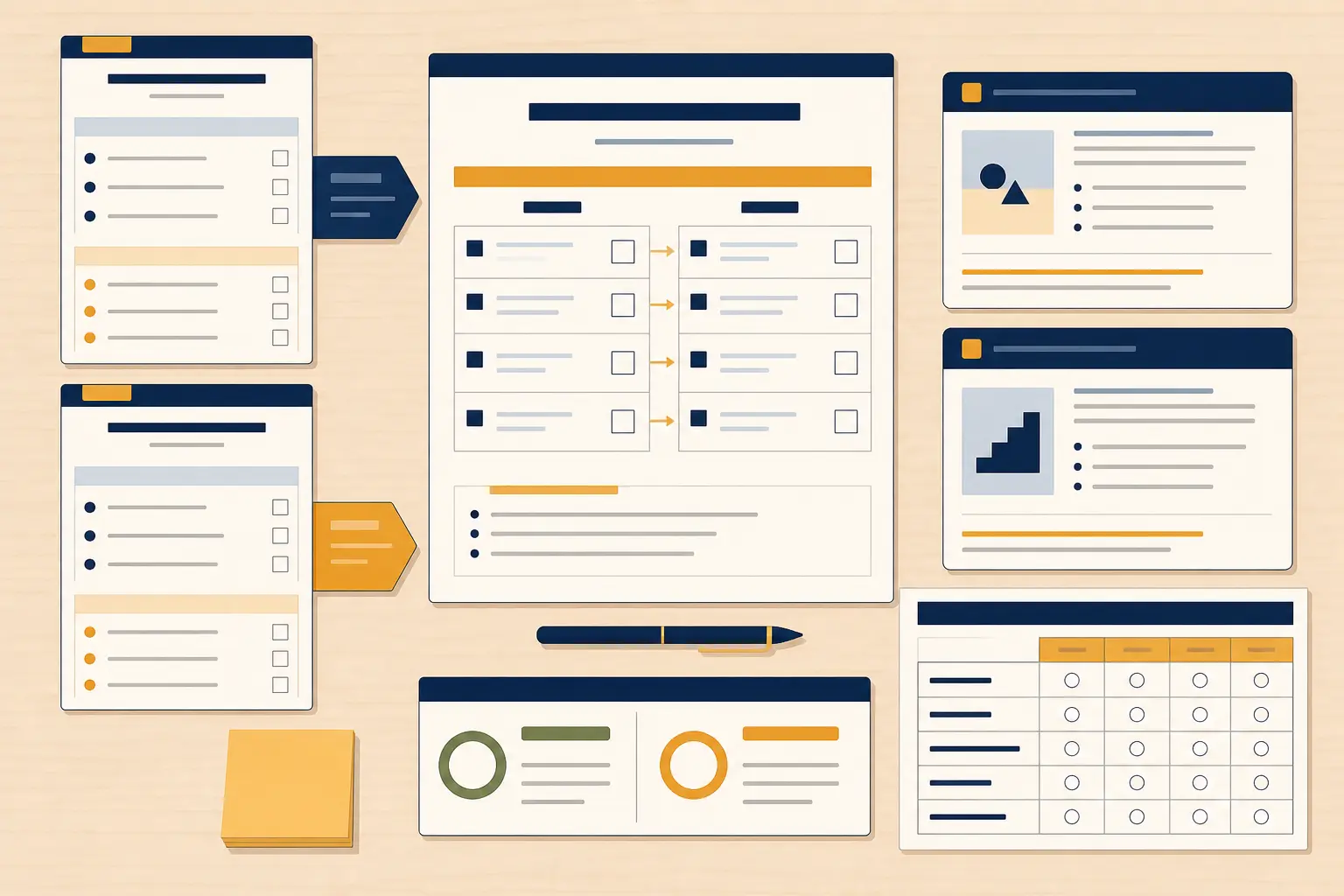
evaluation · 8 min
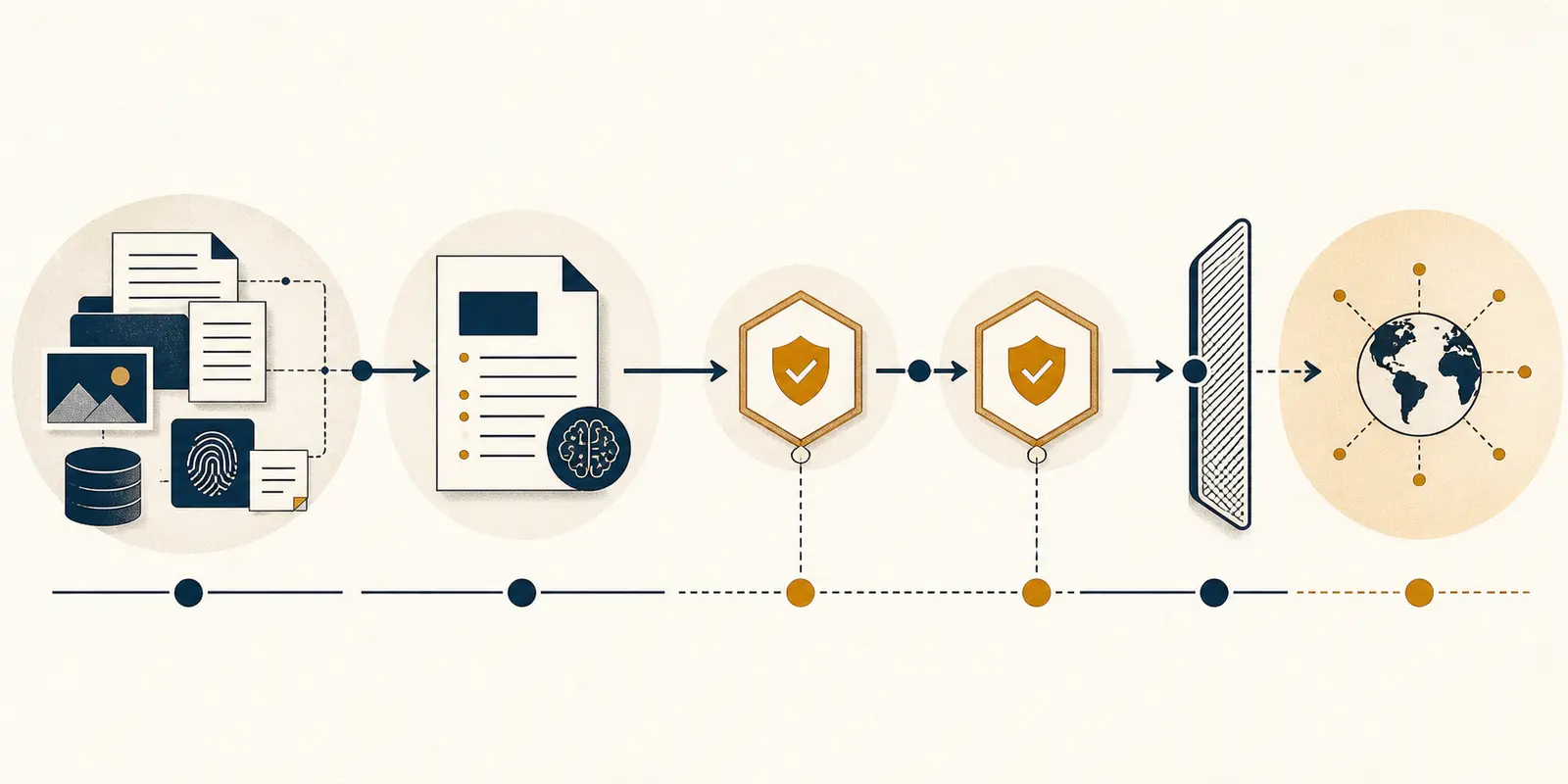
implementation · 9 min
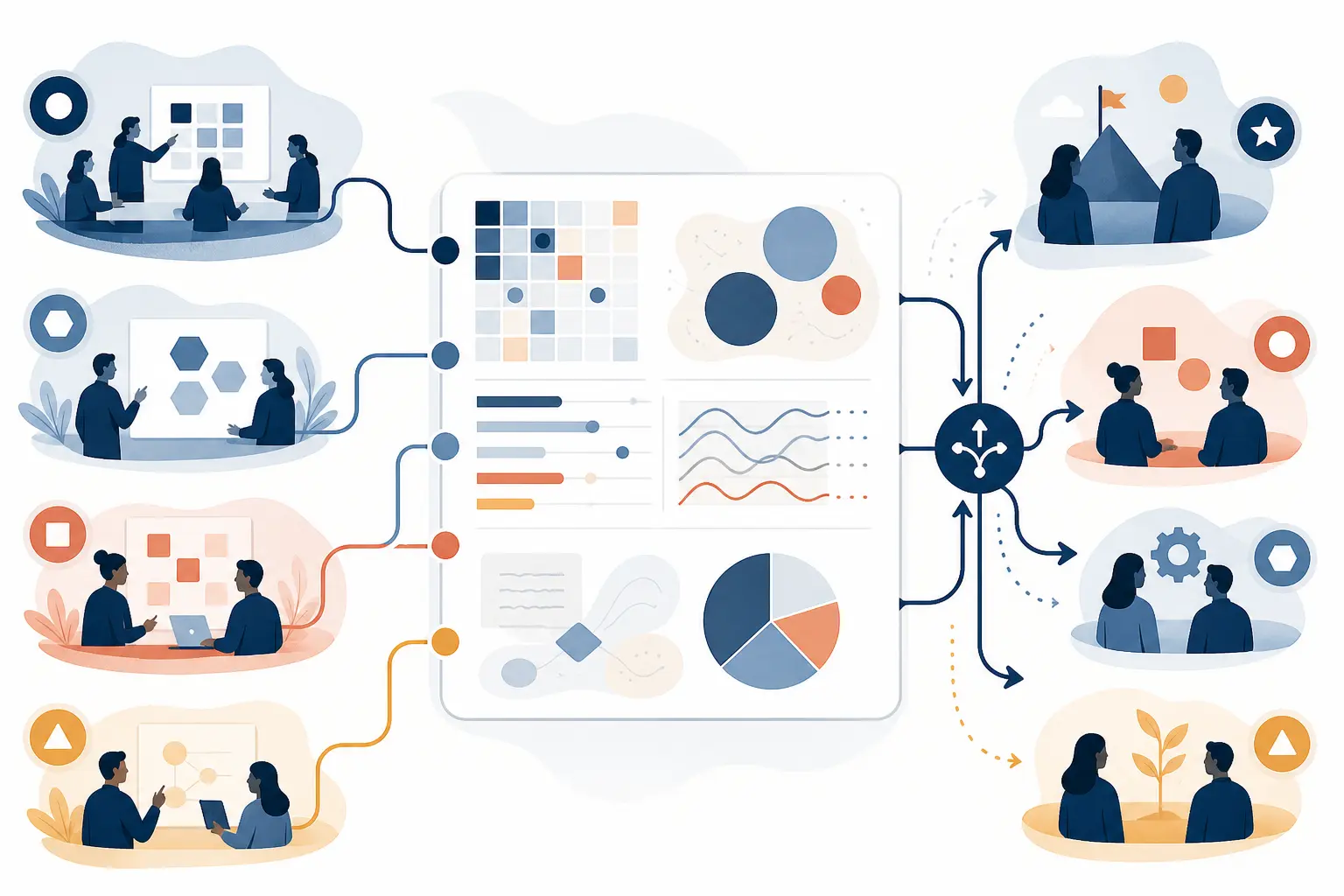
implementation · 15 min
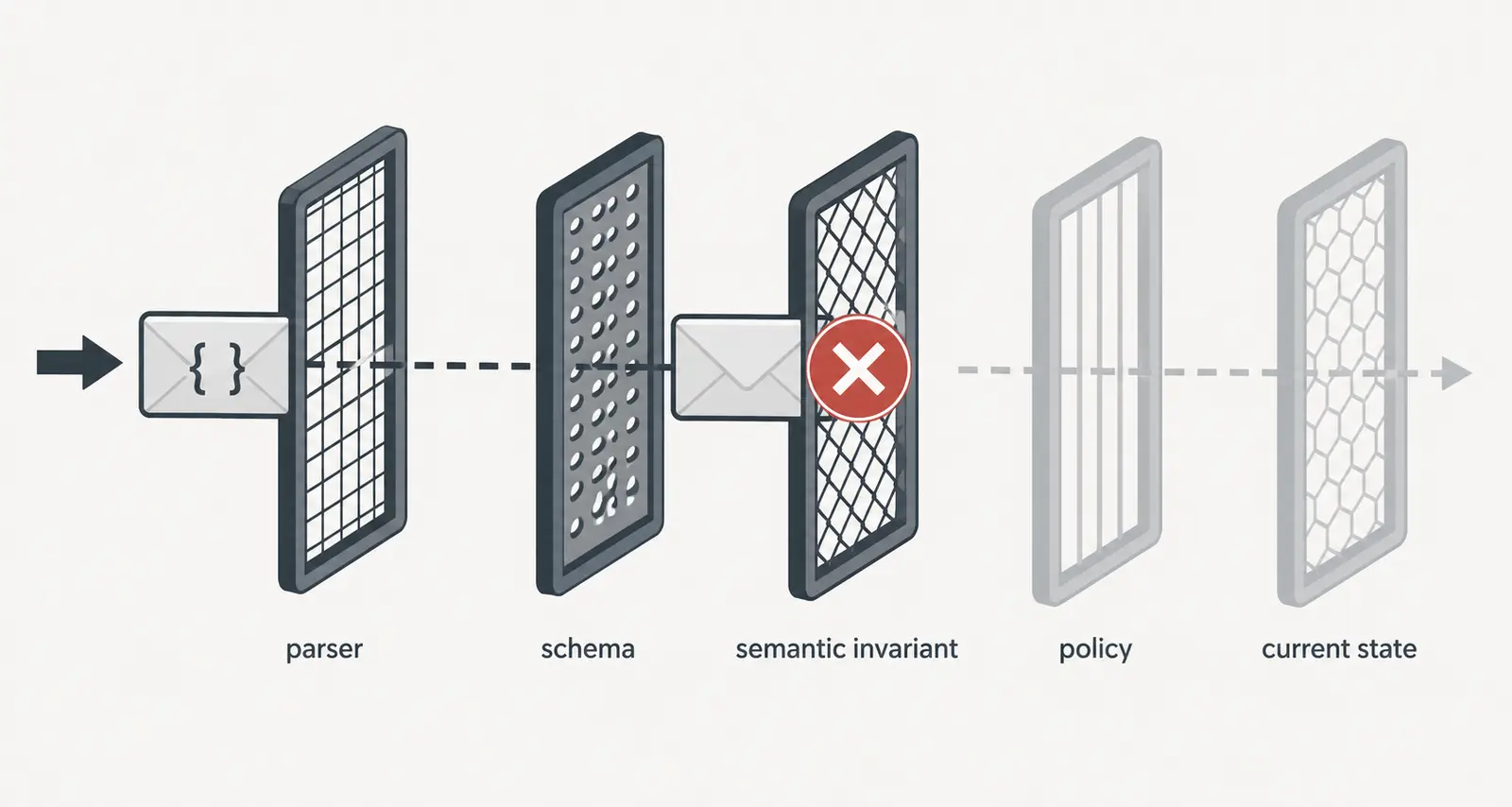
implementation · 8 min

capability · 13 min
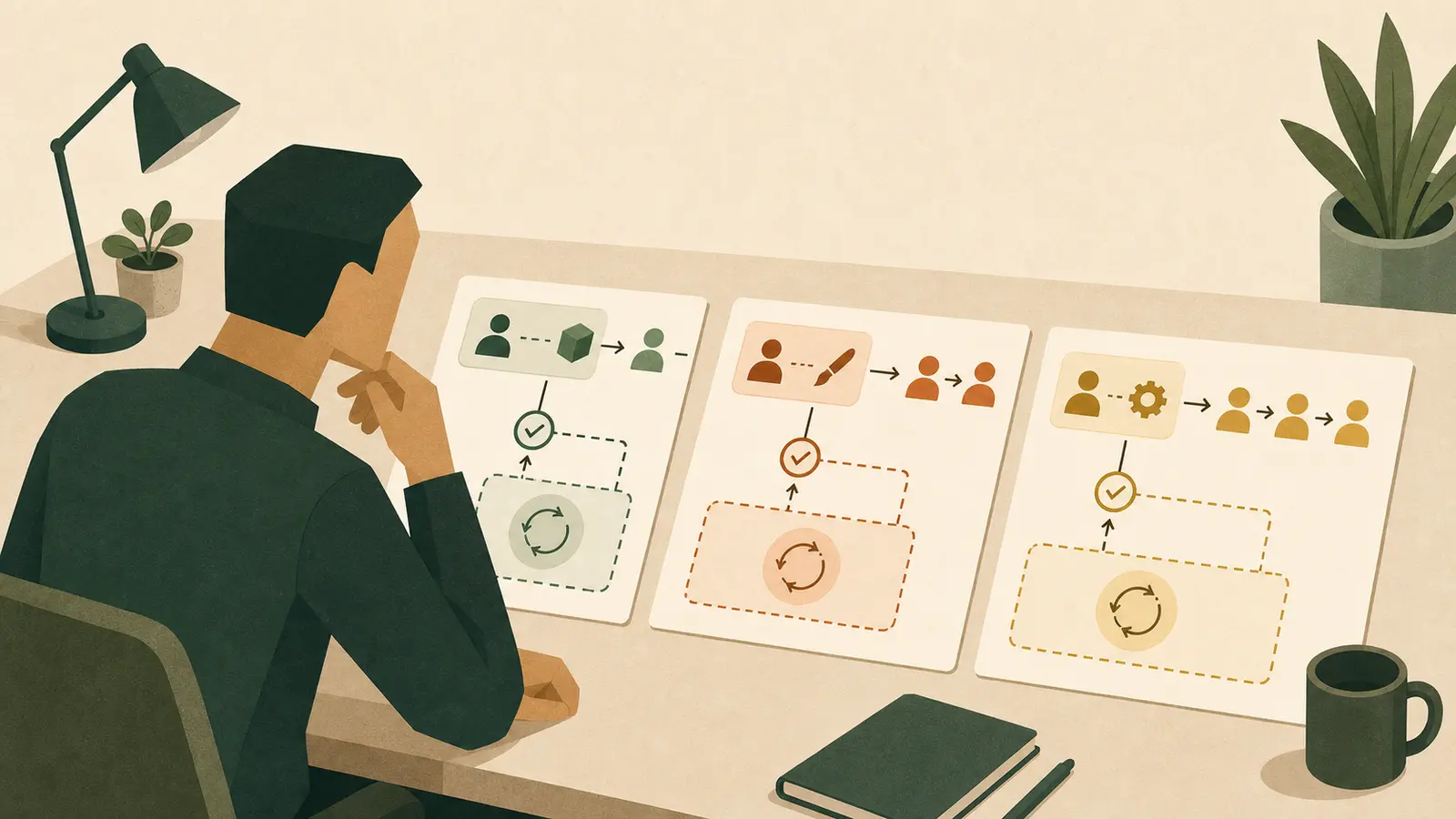
opportunity · 14 min
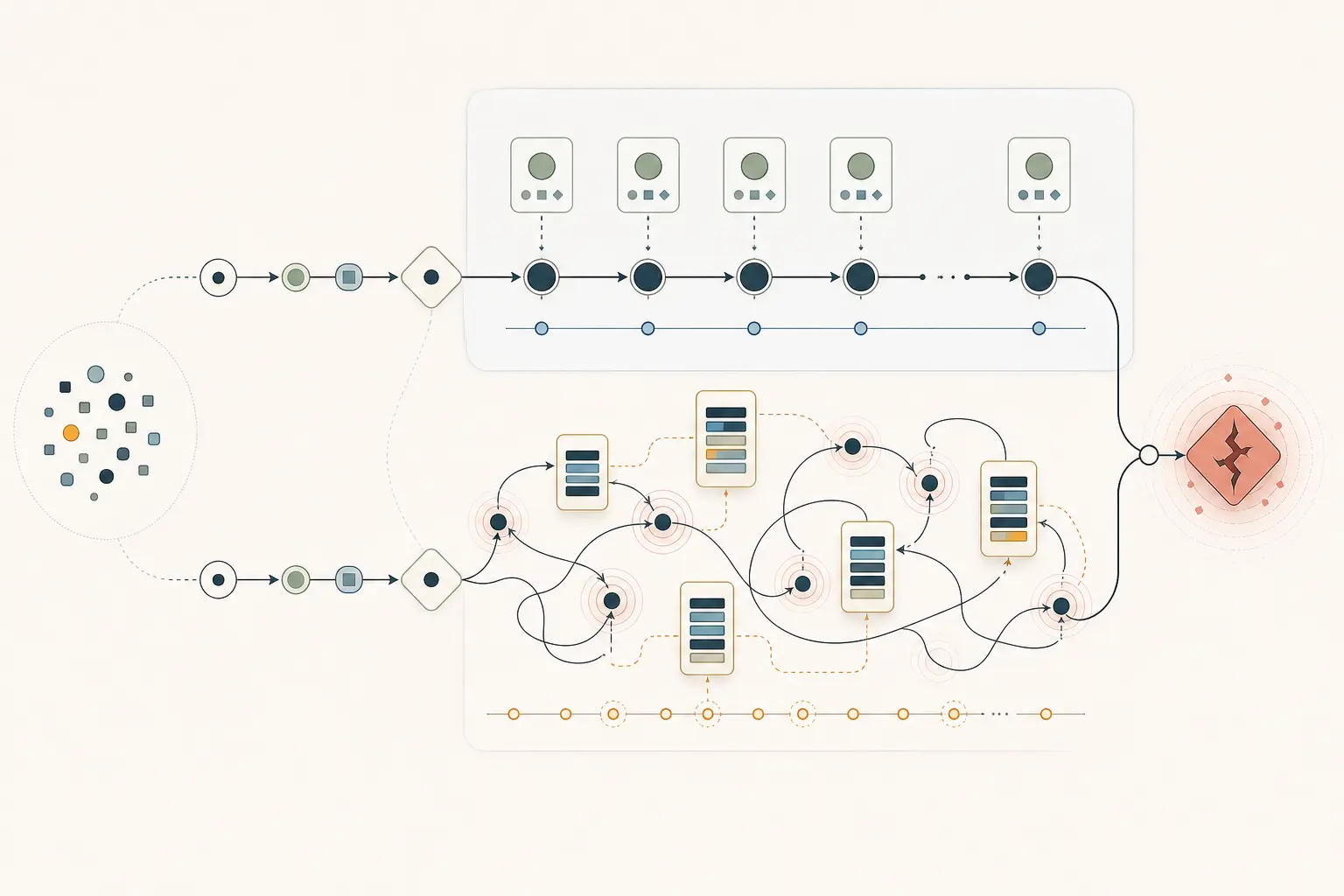
opportunity · 9 min
implementation · 10 min
capability · 10 min
architecture · 8 min
architecture · 10 min

commercial · 9 min
architecture · 9 min

capability · 10 min
commercial · 11 min
commercial · 12 min
implementation · 9 min
capability · 9 min
evaluation · 8 min
capability · 13 min
opportunity · 14 min
architecture · 8 min

opportunity · 15 min
opportunity · 12 min
evaluation · 12 min
implementation · 10 min
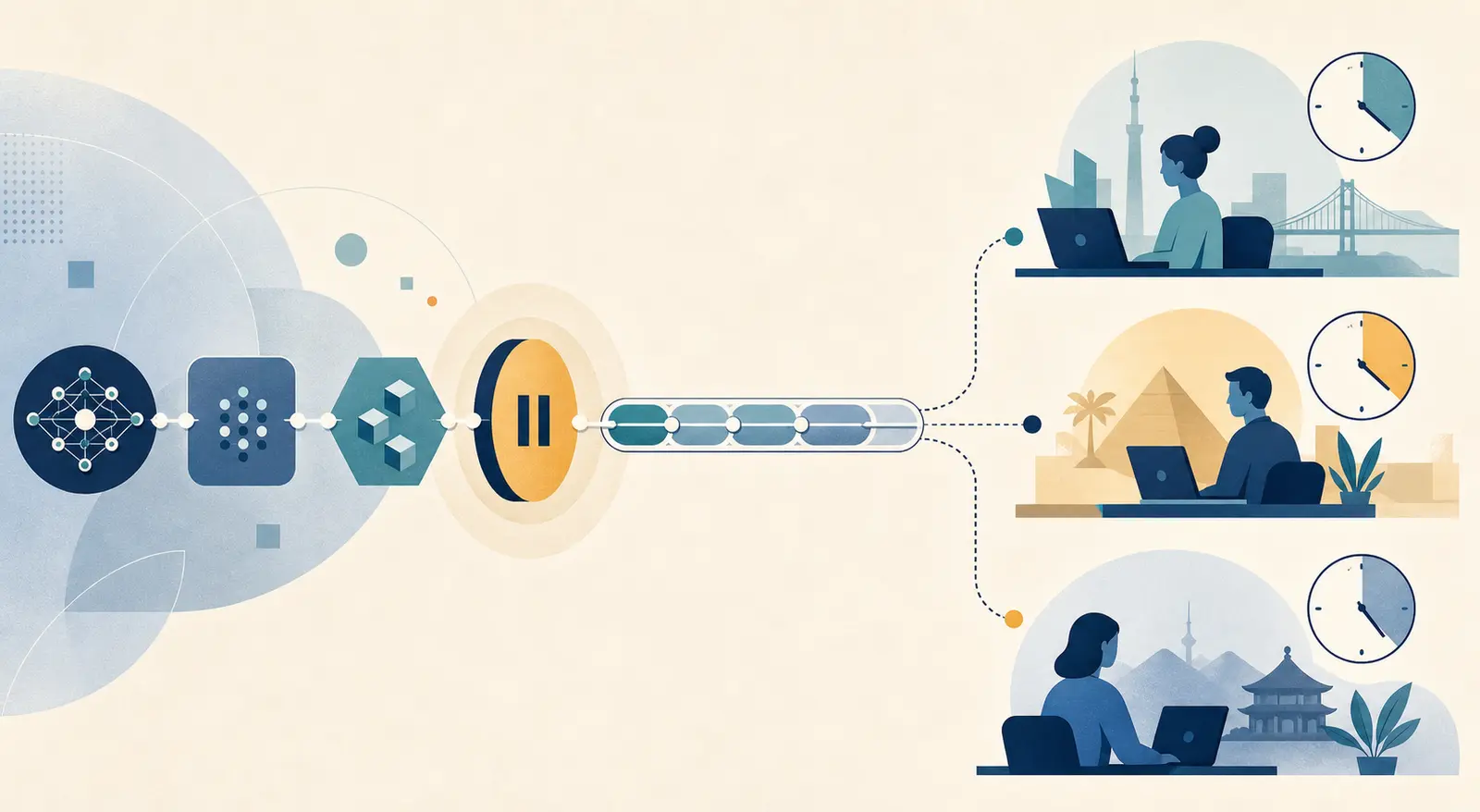
implementation · 12 min
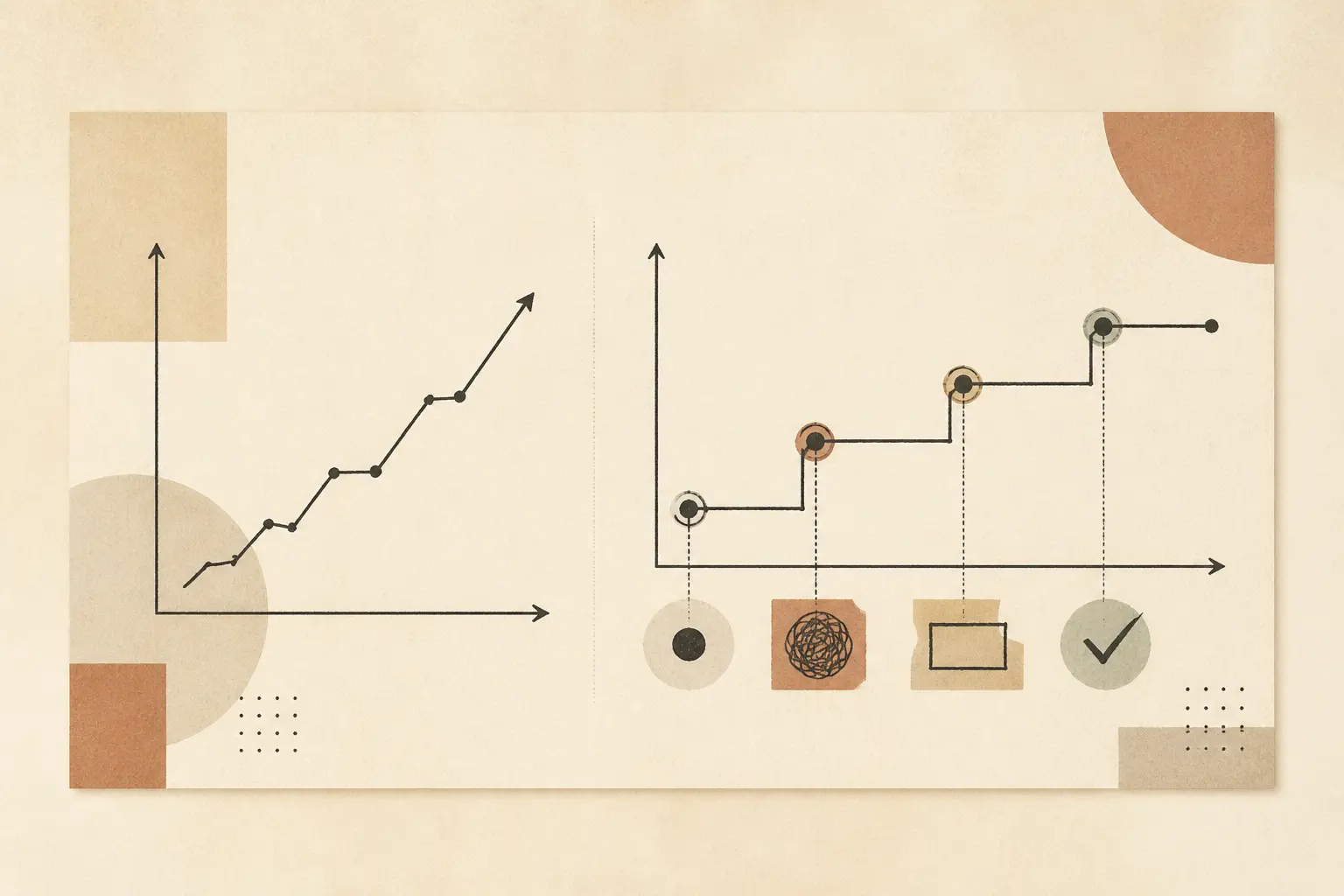
evaluation · 8 min
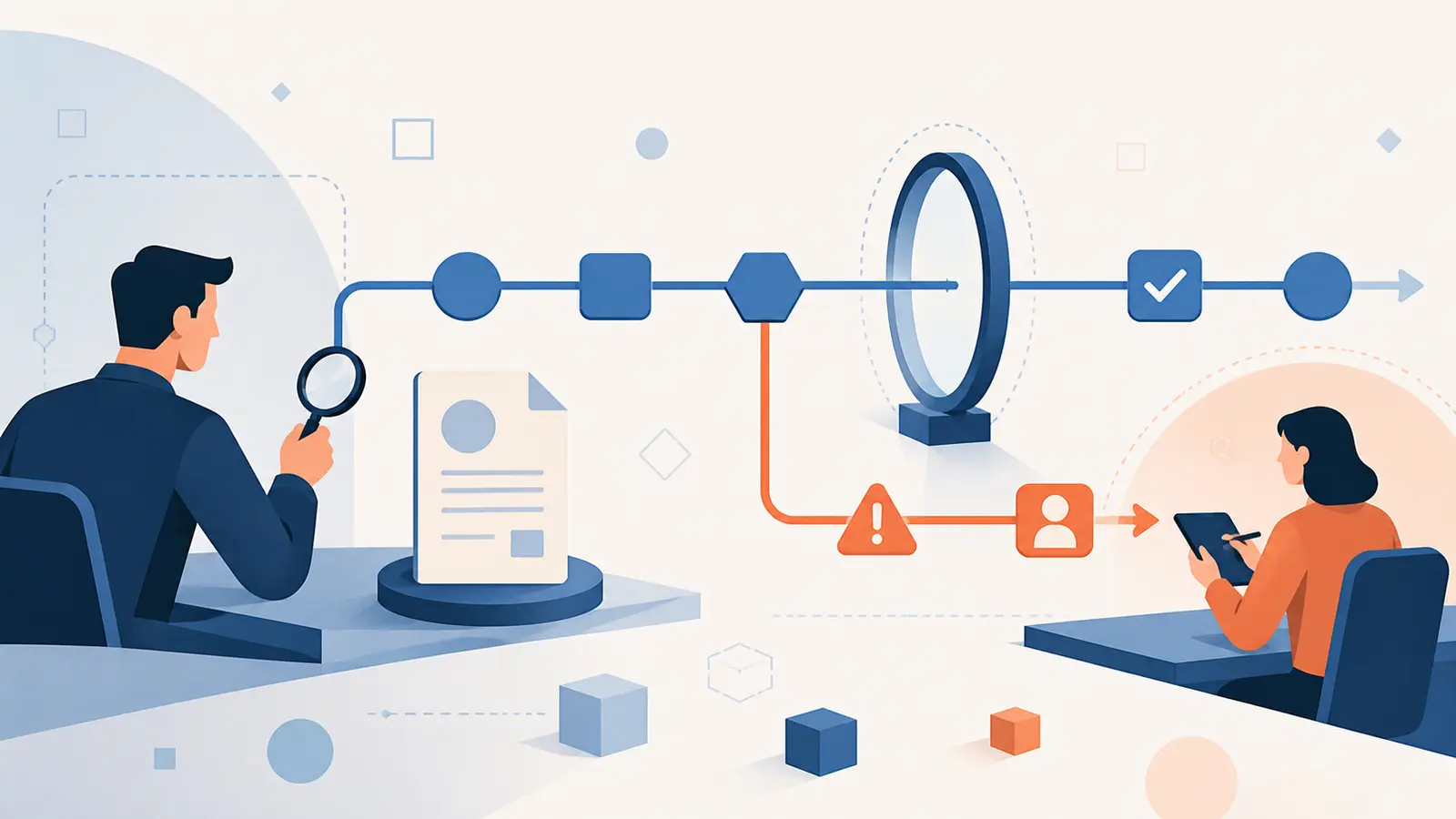
commercial · 7 min
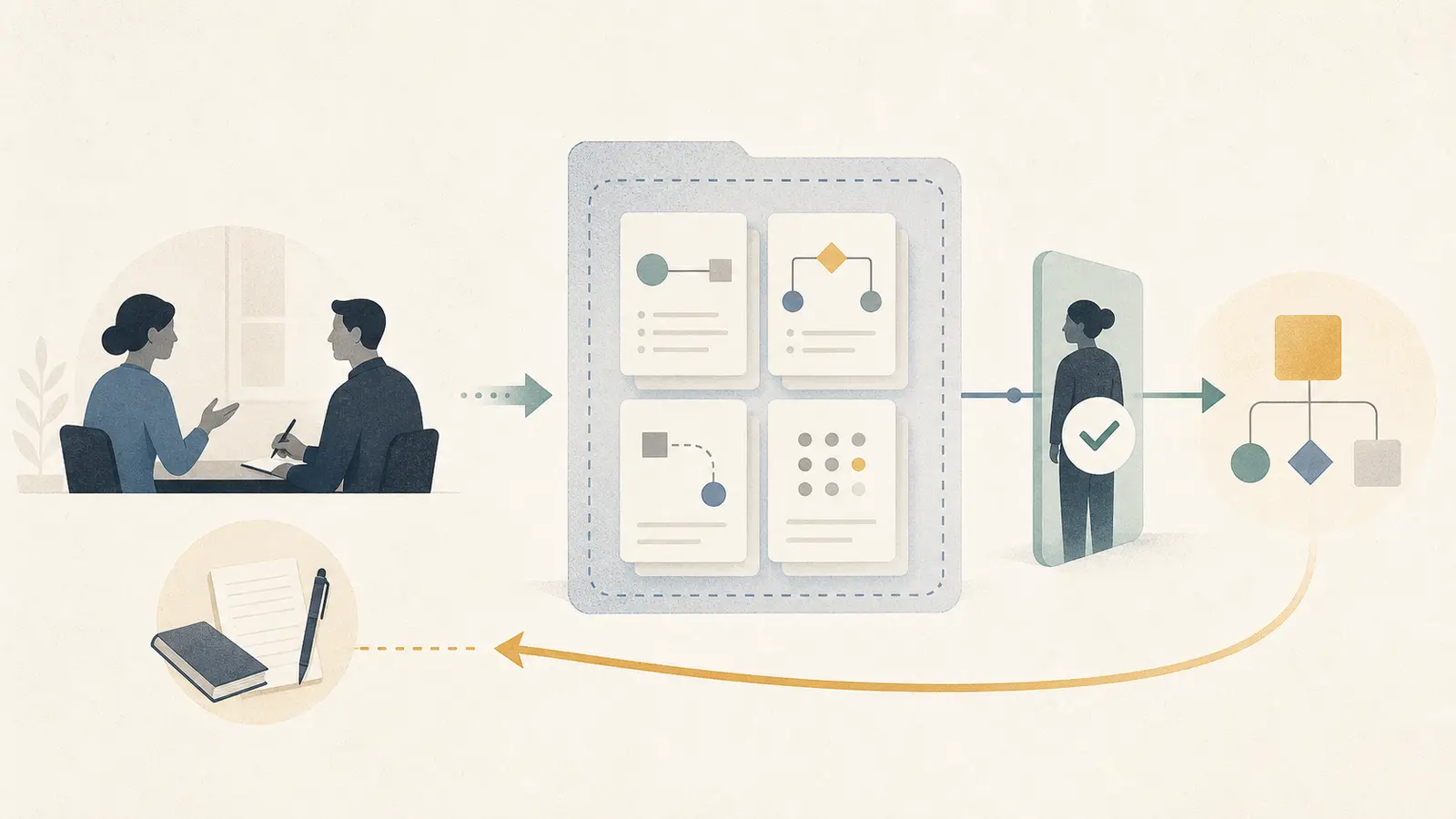
opportunity · 8 min
capability · 9 min
architecture · 11 min
architecture · 13 min

evaluation · 9 min
commercial · 11 min
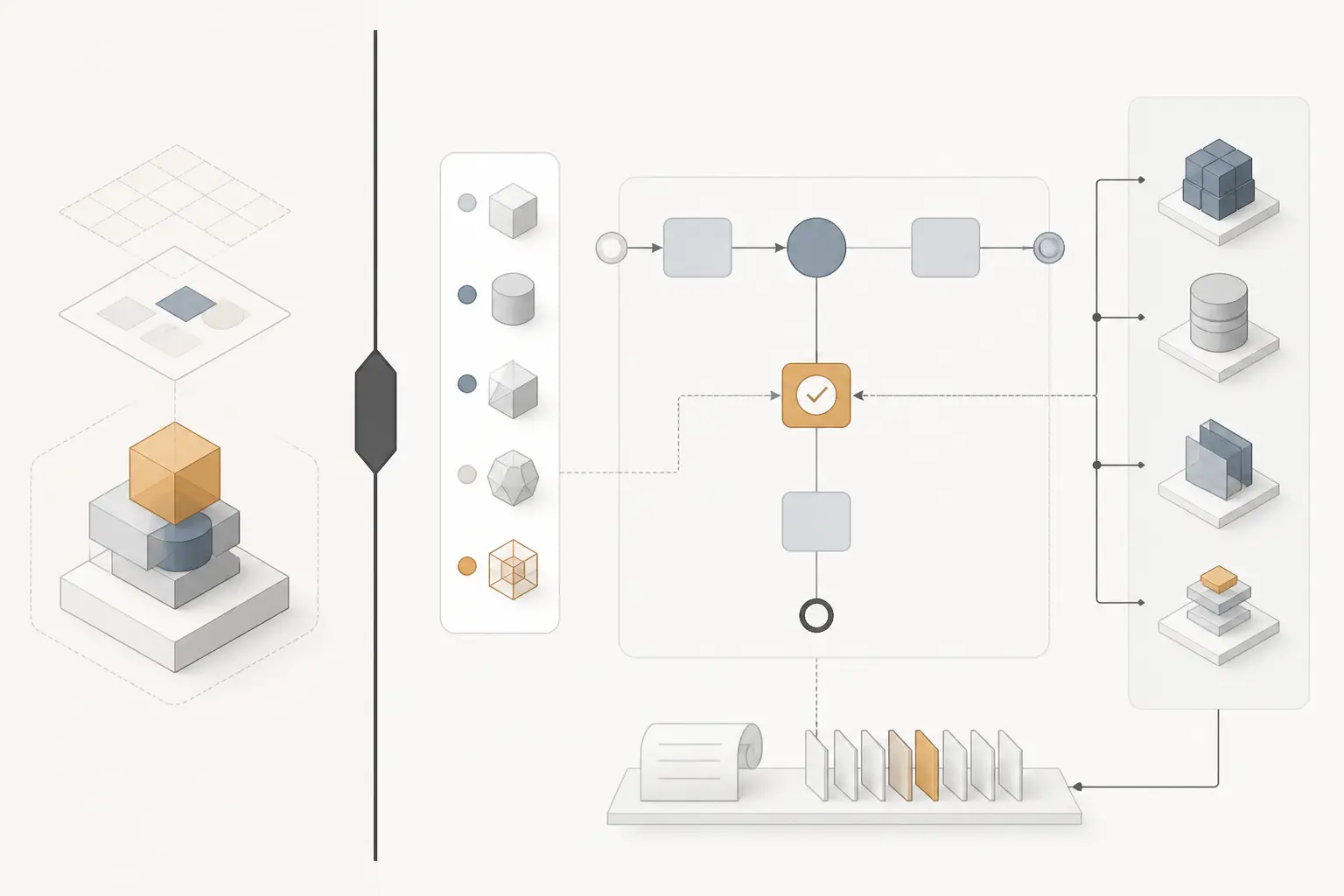
architecture · 9 min
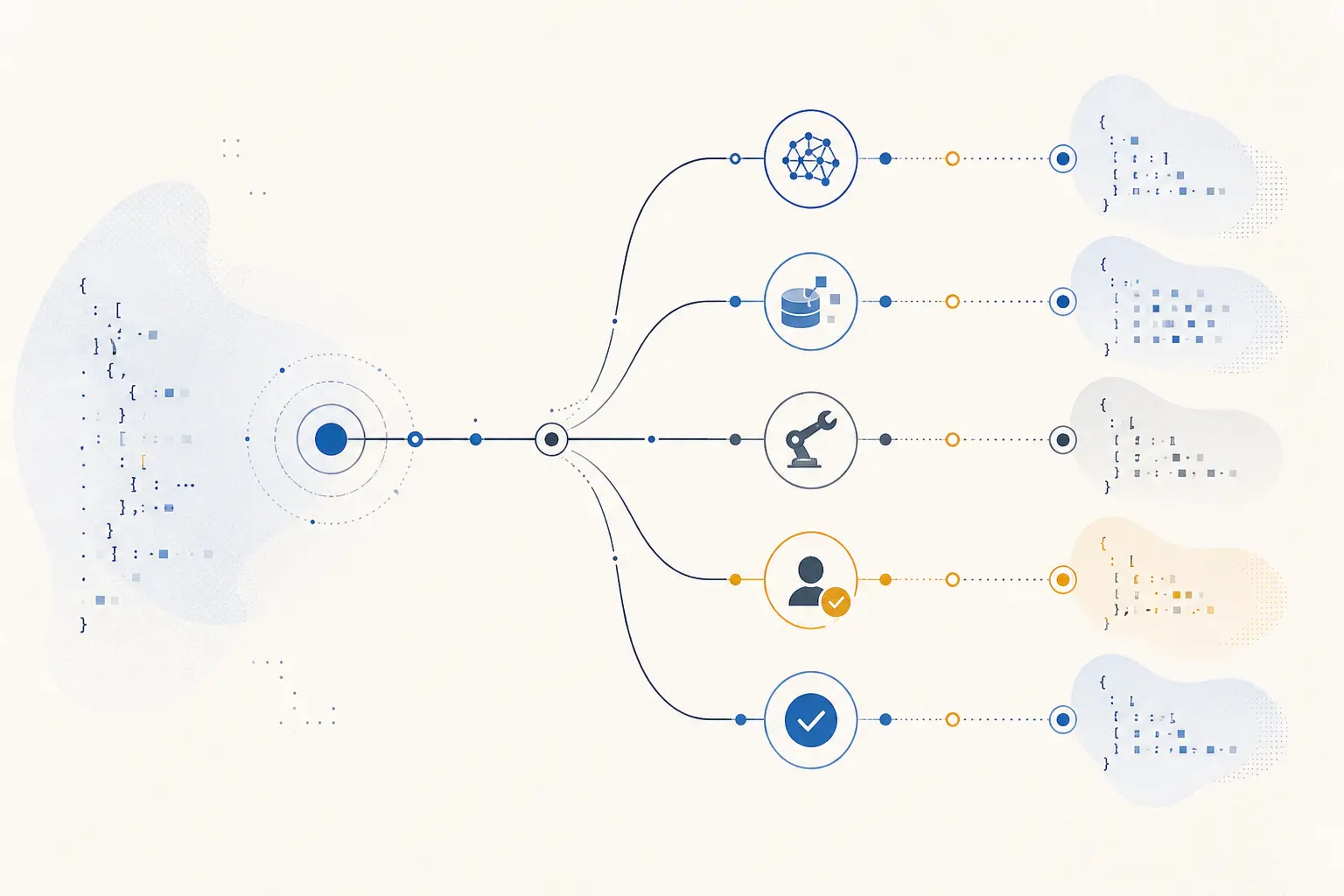
implementation · 10 min
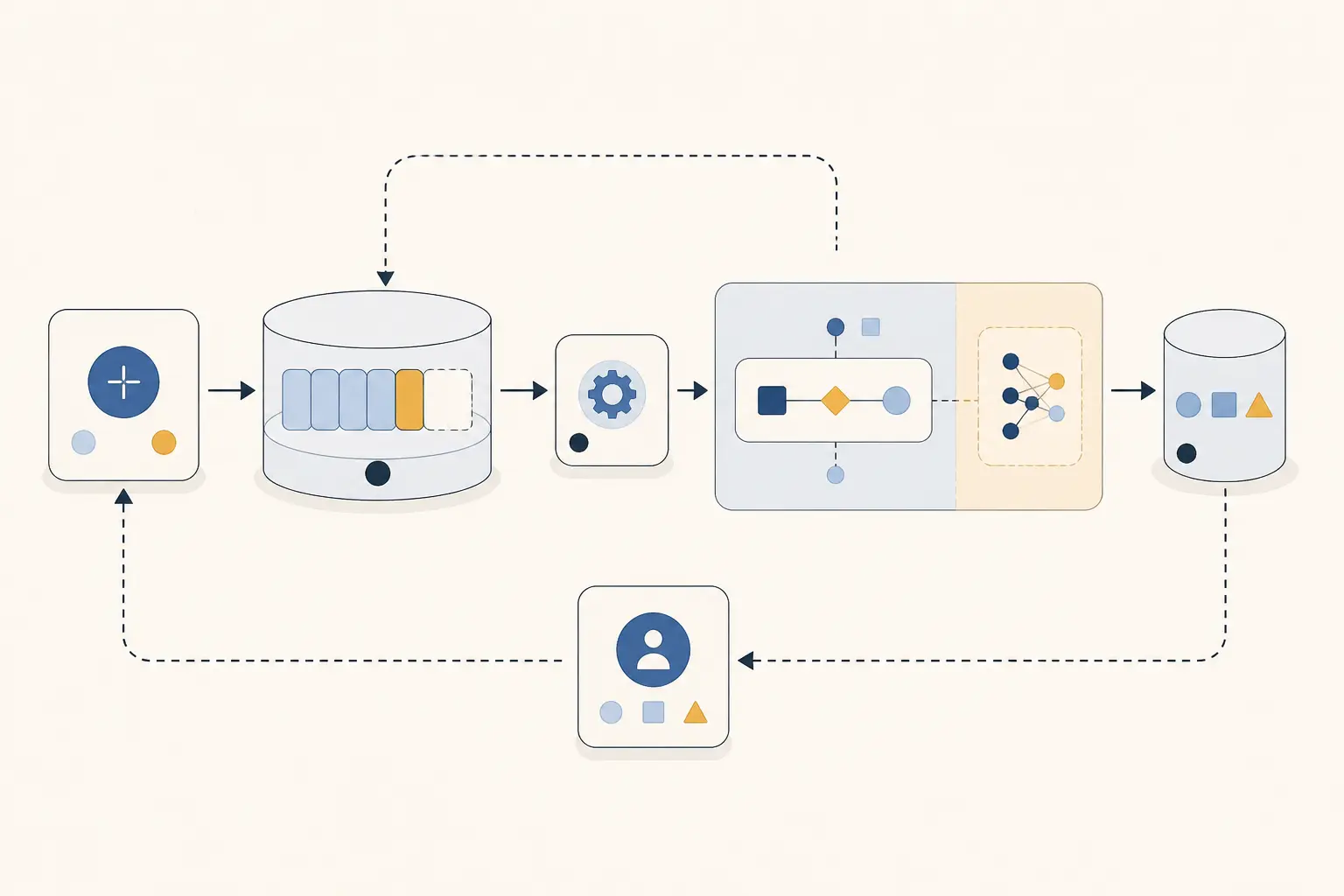
implementation · 11 min
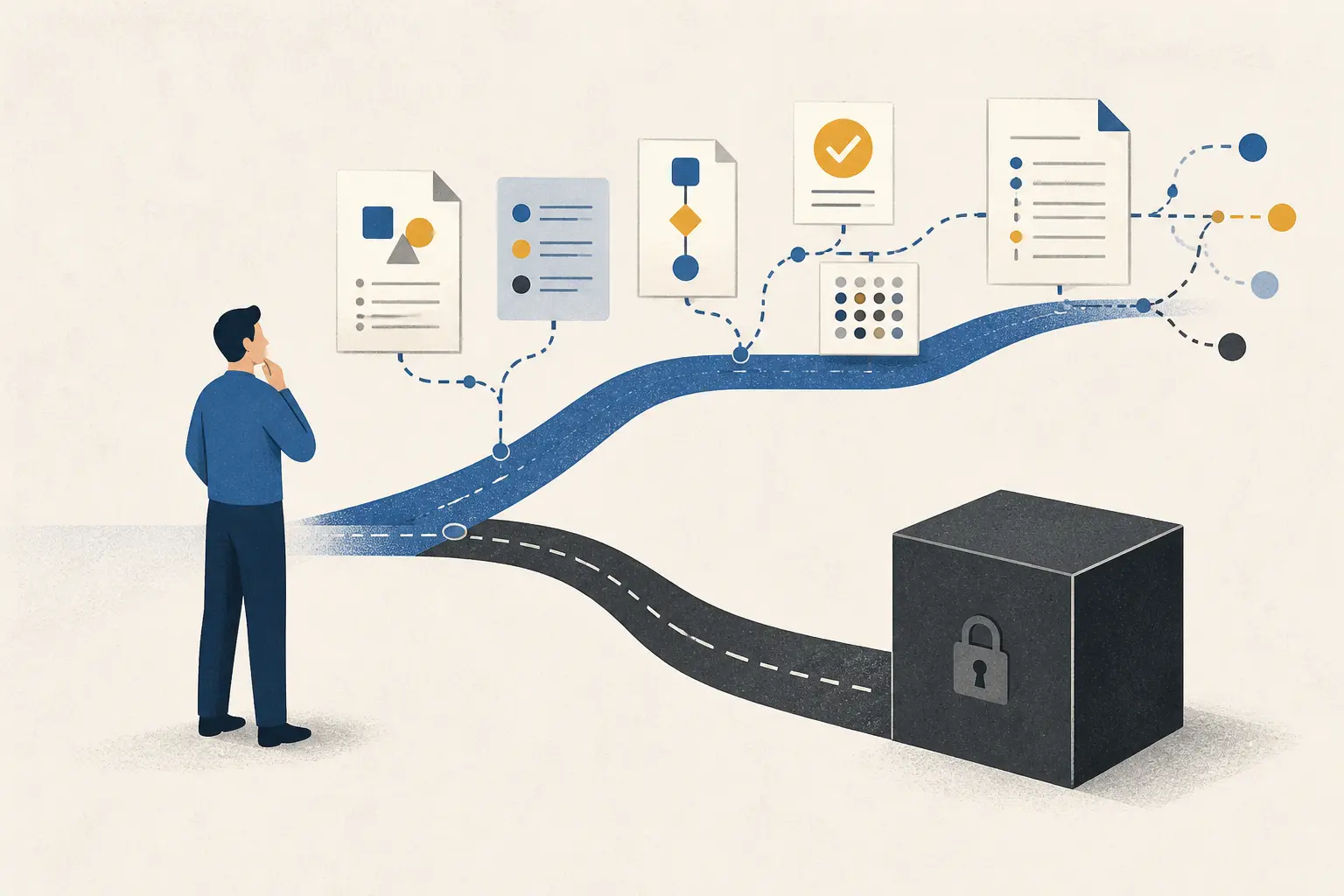
commercial · 12 min
commercial · 12 min

capability · 13 min
capability · 11 min
opportunity · 15 min
evaluation · 12 min

implementation · 10 min
evaluation · 20 min

opportunity · 14 min
evaluation · 16 min
evaluation · 12 min

evaluation · 10 min

opportunity · 14 min

architecture · 11 min
evaluation · 13 min

capability · 22 min
evaluation · 40 min
commercial · 44 min

architecture · 46 min

evaluation · 40 min

opportunity · 42 min
opportunity · 46 min
opportunity · 47 min
evaluation · 42 min
evaluation · 50 min
architecture · 44 min
evaluation · 41 min
opportunity · 45 min
implementation · 41 min

capability · 36 min

architecture · 45 min
implementation · 35 min
opportunity · 44 min
capability · 35 min

architecture · 47 min
evaluation · 40 min
evaluation · 35 min
evaluation · 35 min
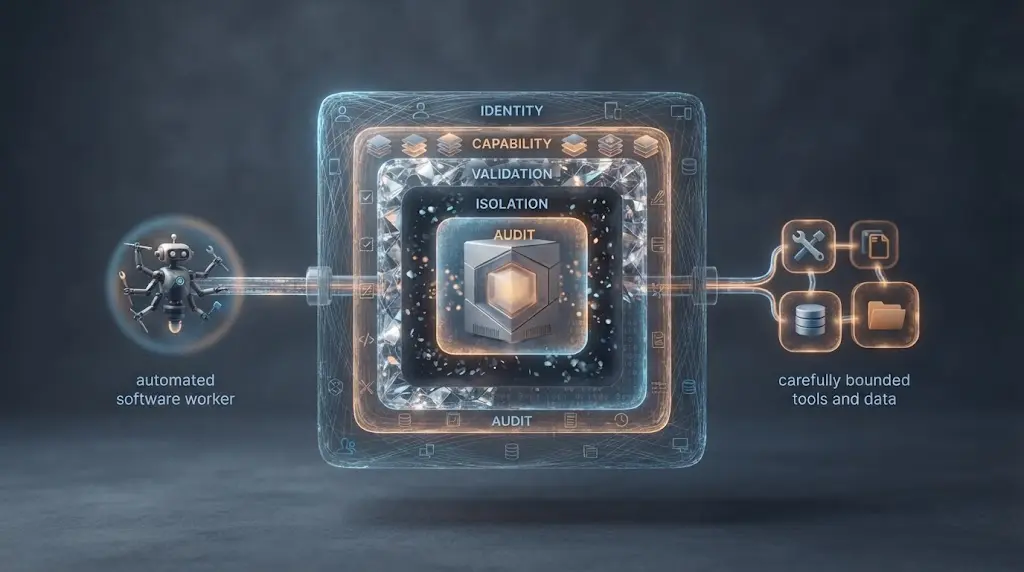
architecture · 33 min
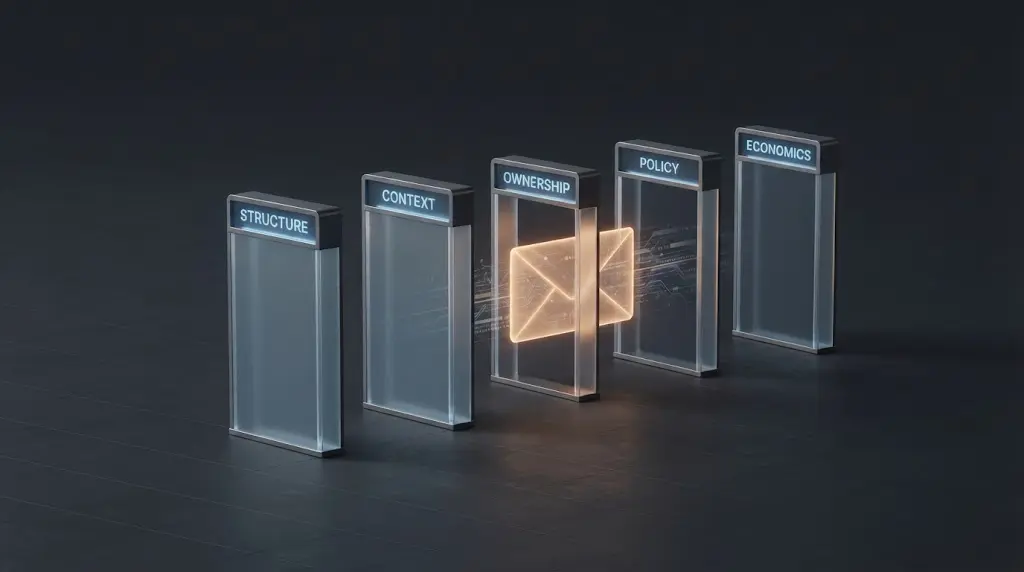
evaluation · 34 min
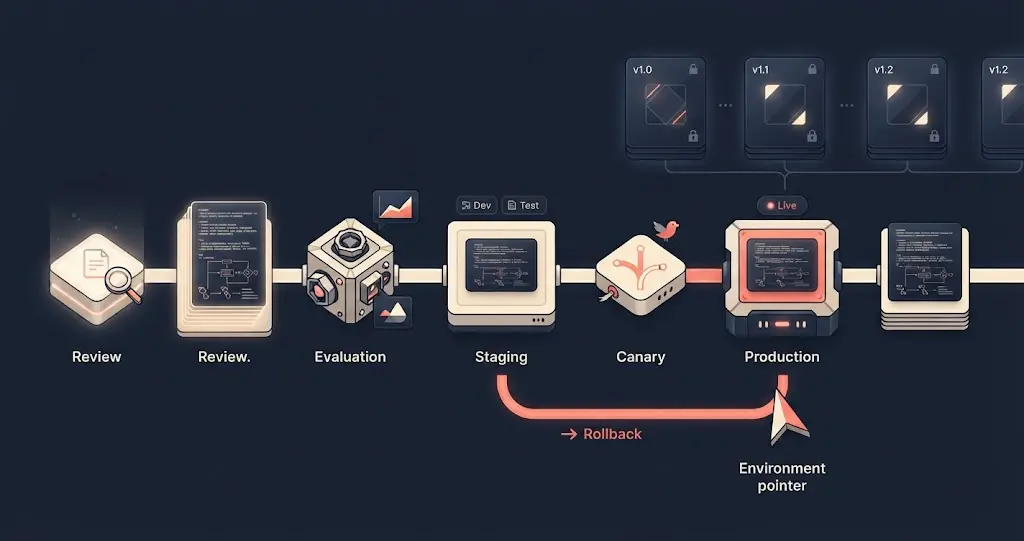
evaluation · 37 min

opportunity · 39 min
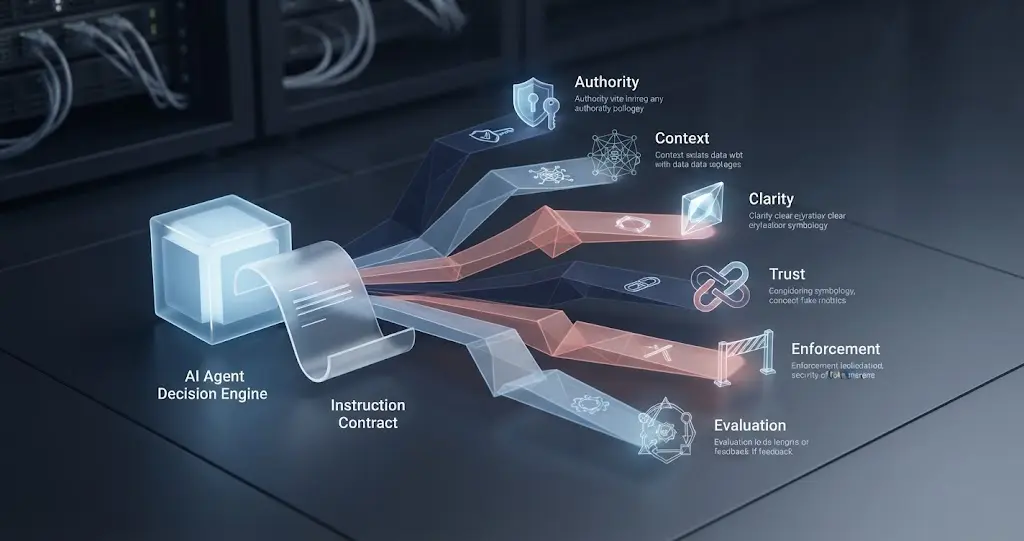
evaluation · 35 min

opportunity · 34 min

opportunity · 34 min

evaluation · 32 min
opportunity · 32 min
architecture · 43 min
implementation · 32 min
implementation · 32 min

commercial · 34 min
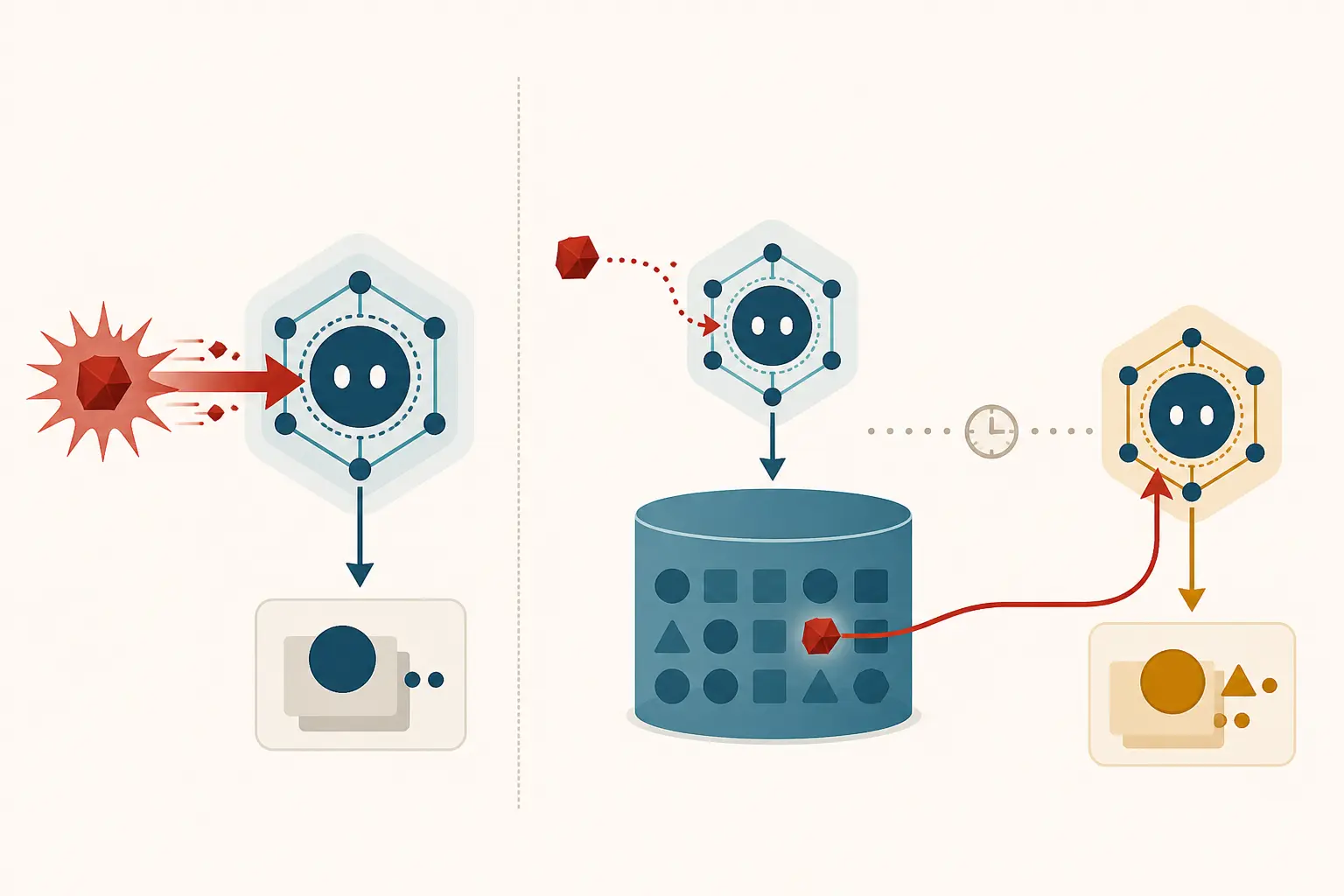
architecture · 40 min
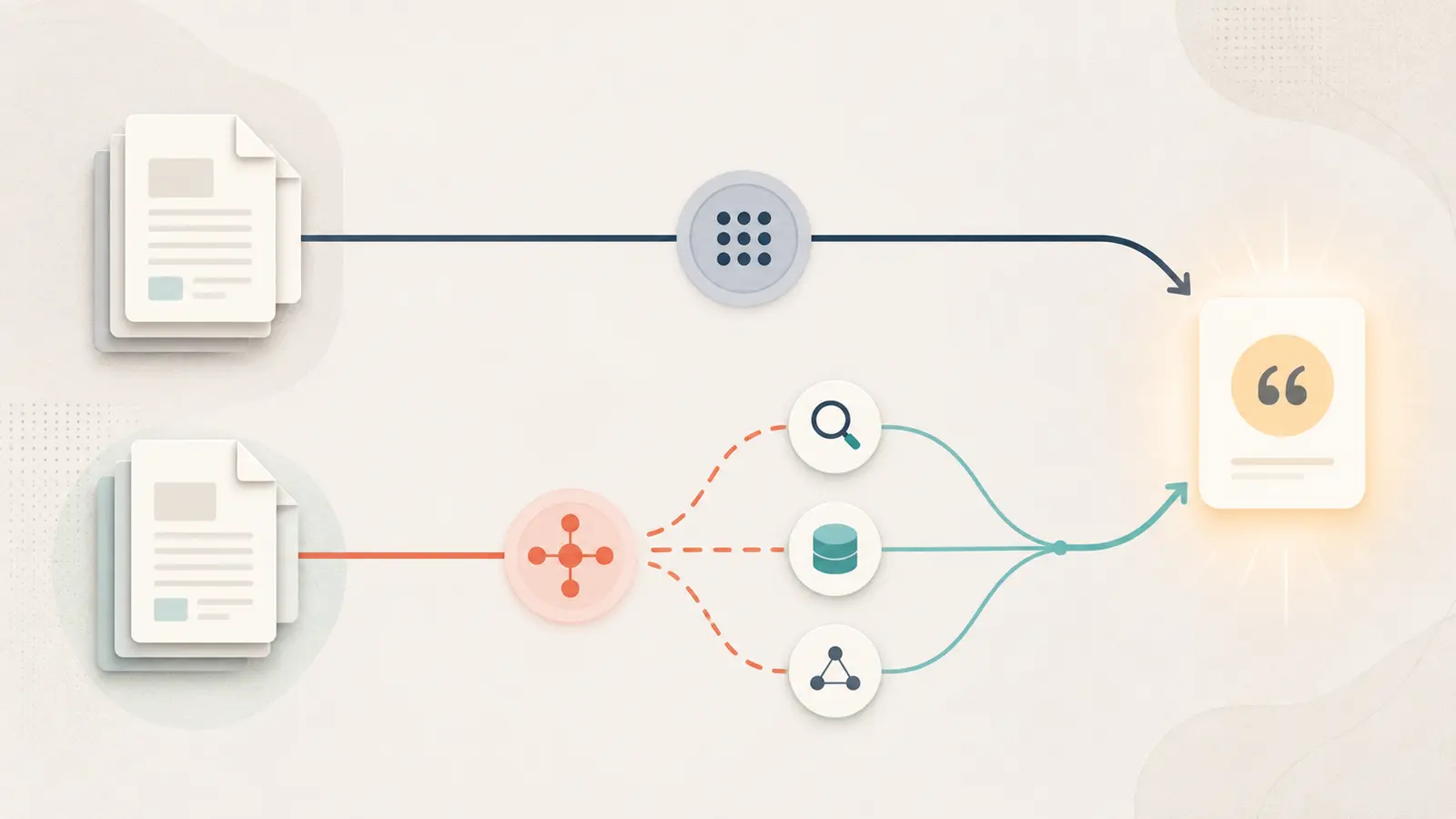
architecture · 34 min
evaluation · 33 min
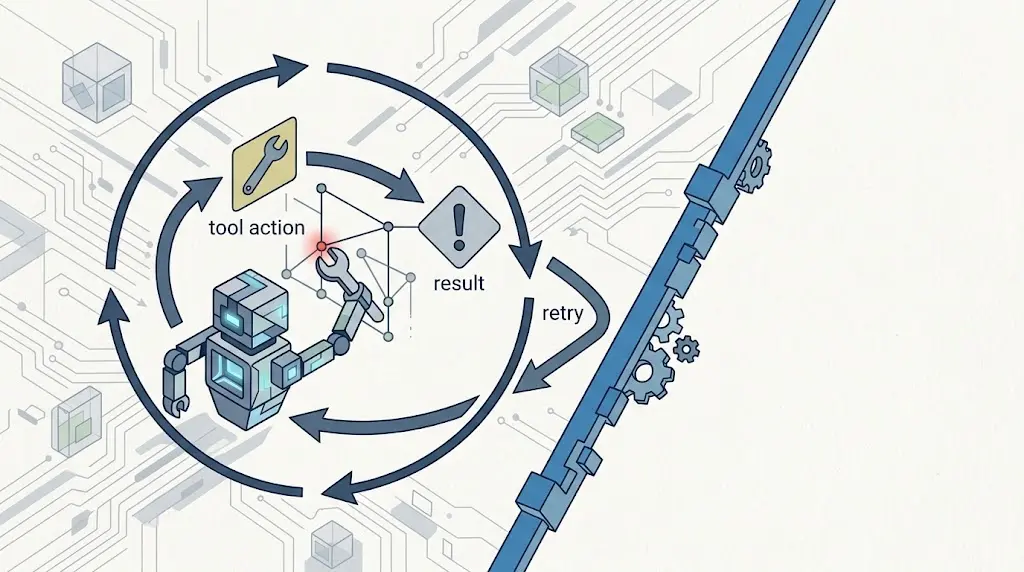
evaluation · 14 min

commercial · 14 min
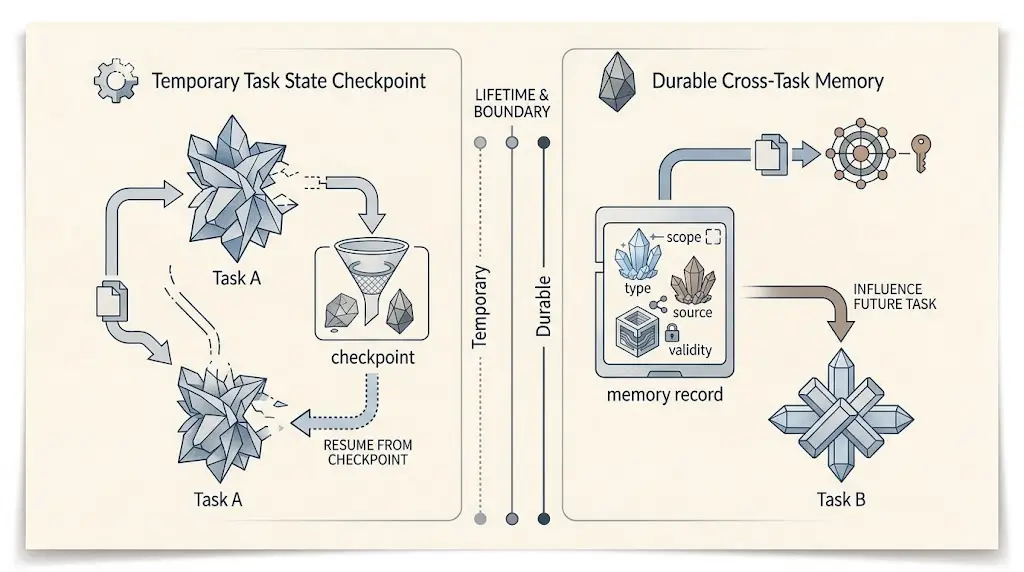
architecture · 13 min
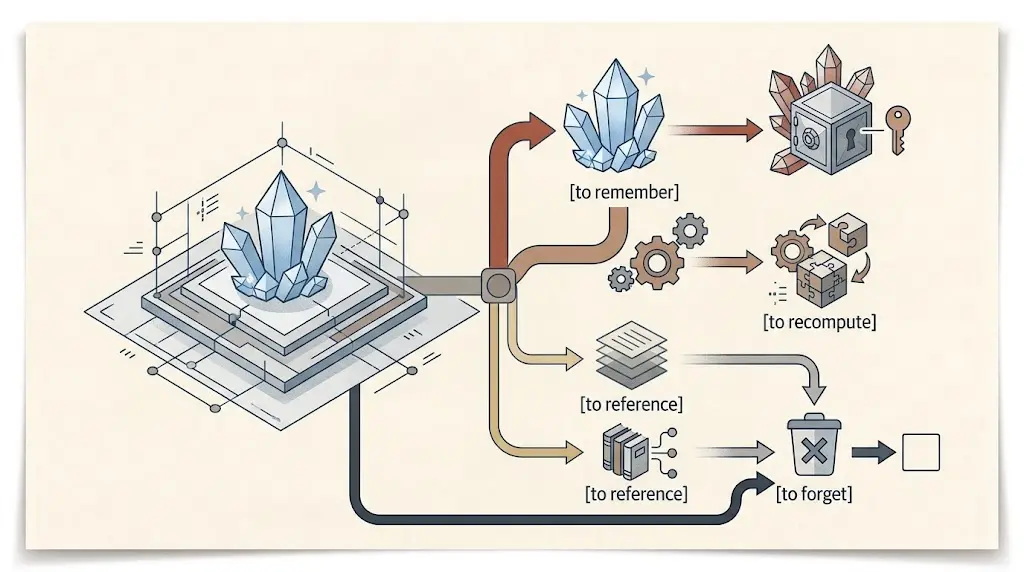
architecture · 13 min
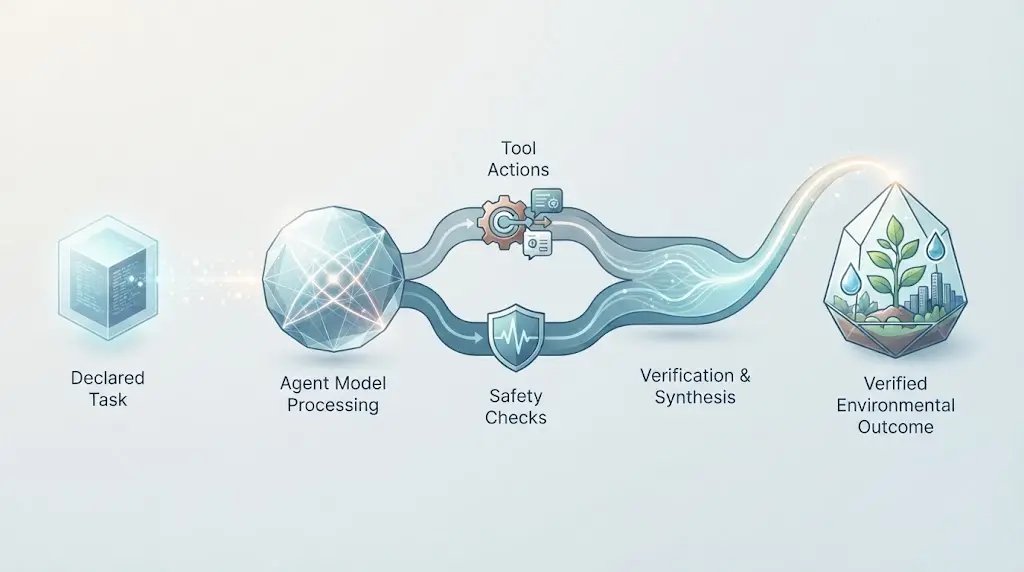
evaluation · 12 min
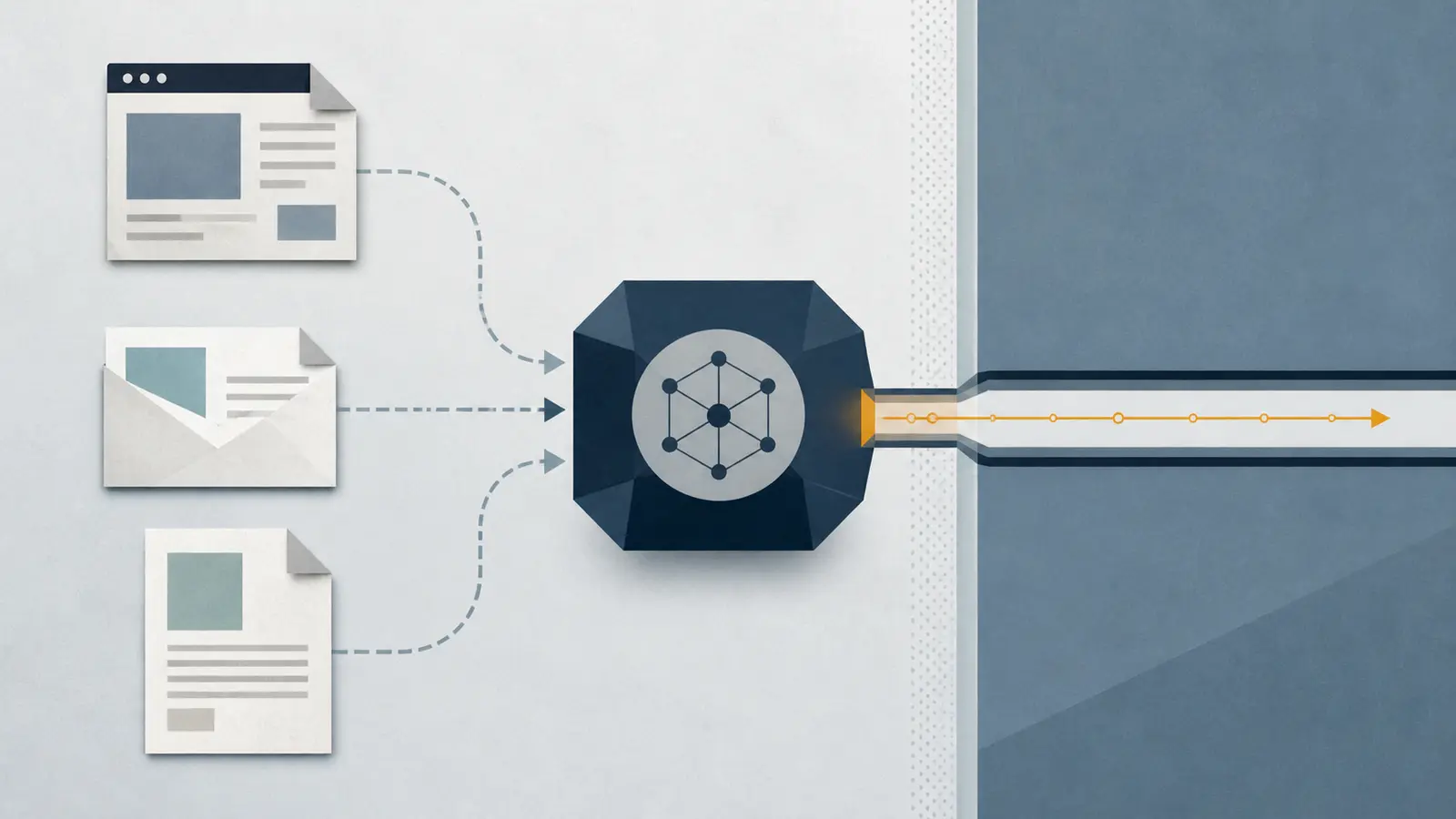
evaluation · 16 min
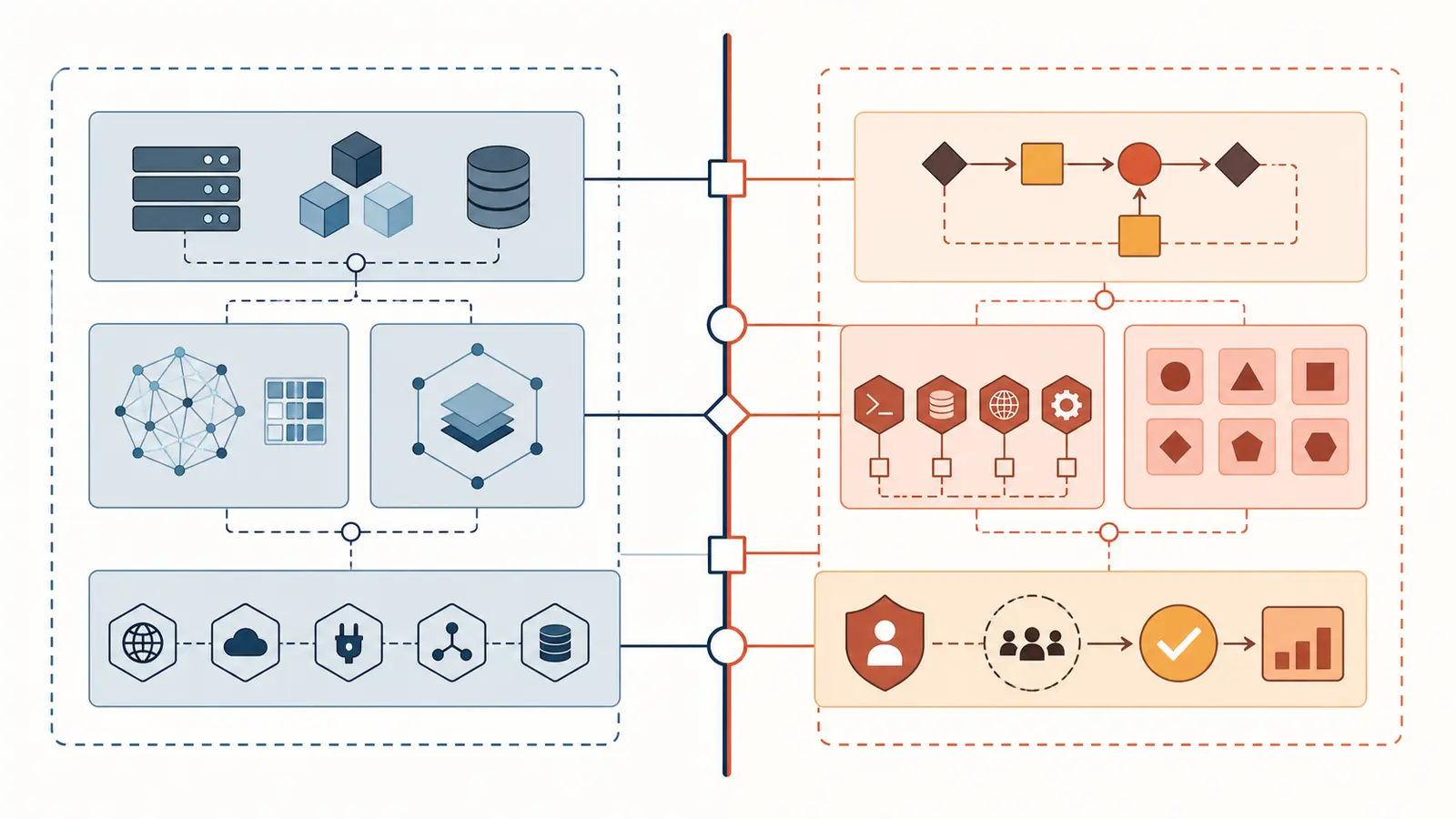
commercial · 14 min
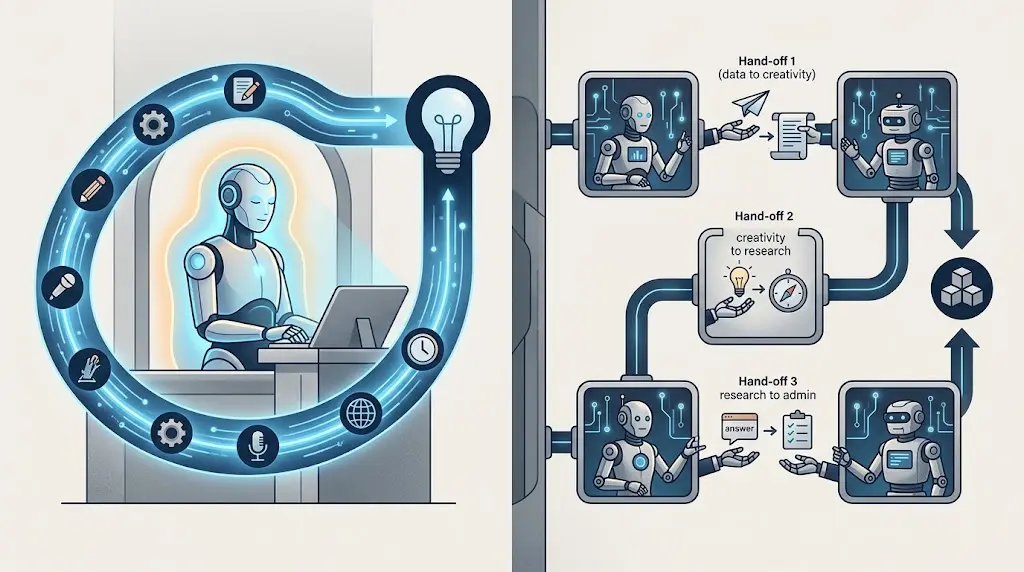
architecture · 15 min
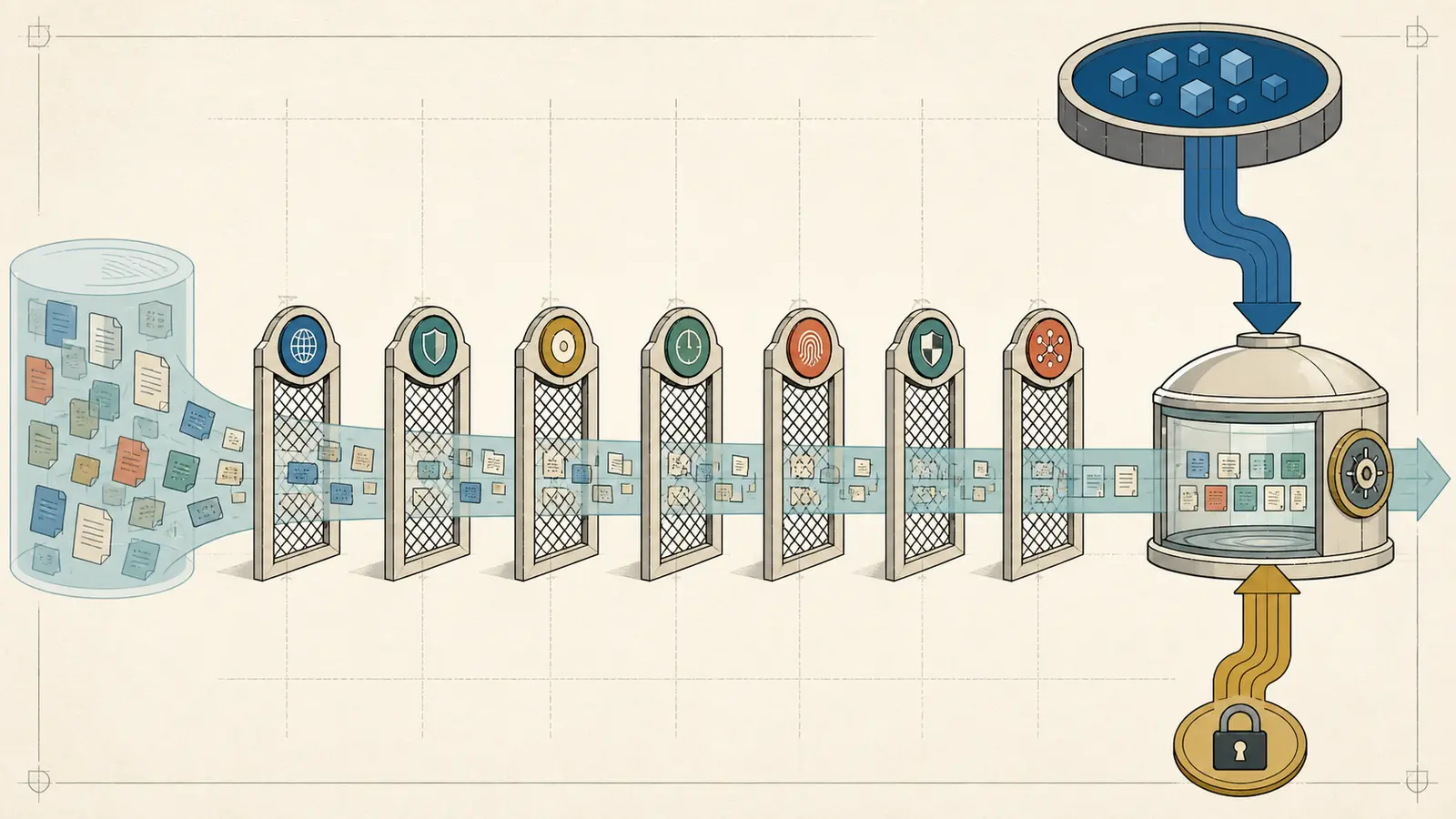
evaluation · 14 min

opportunity · 16 min
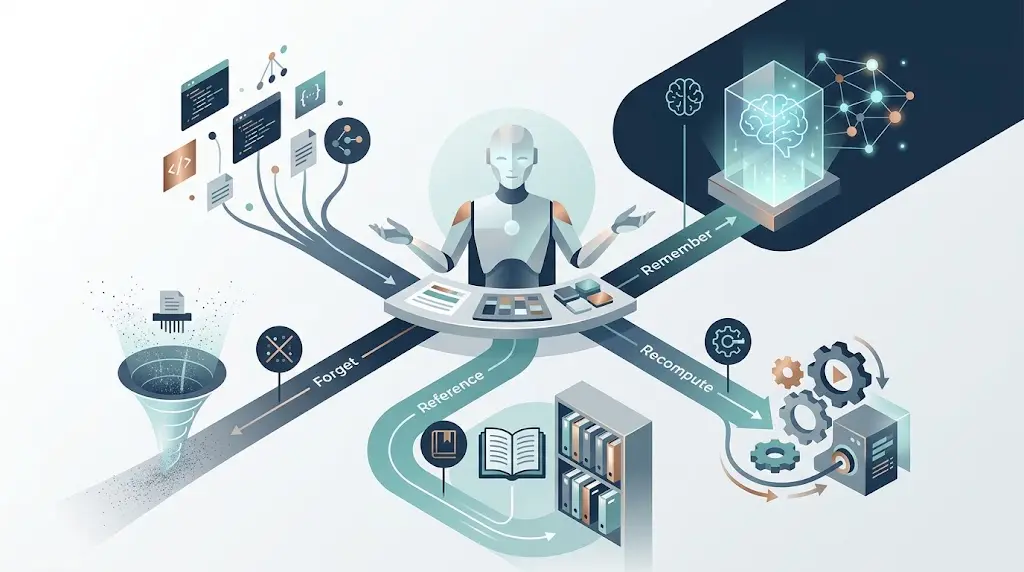
architecture · 13 min
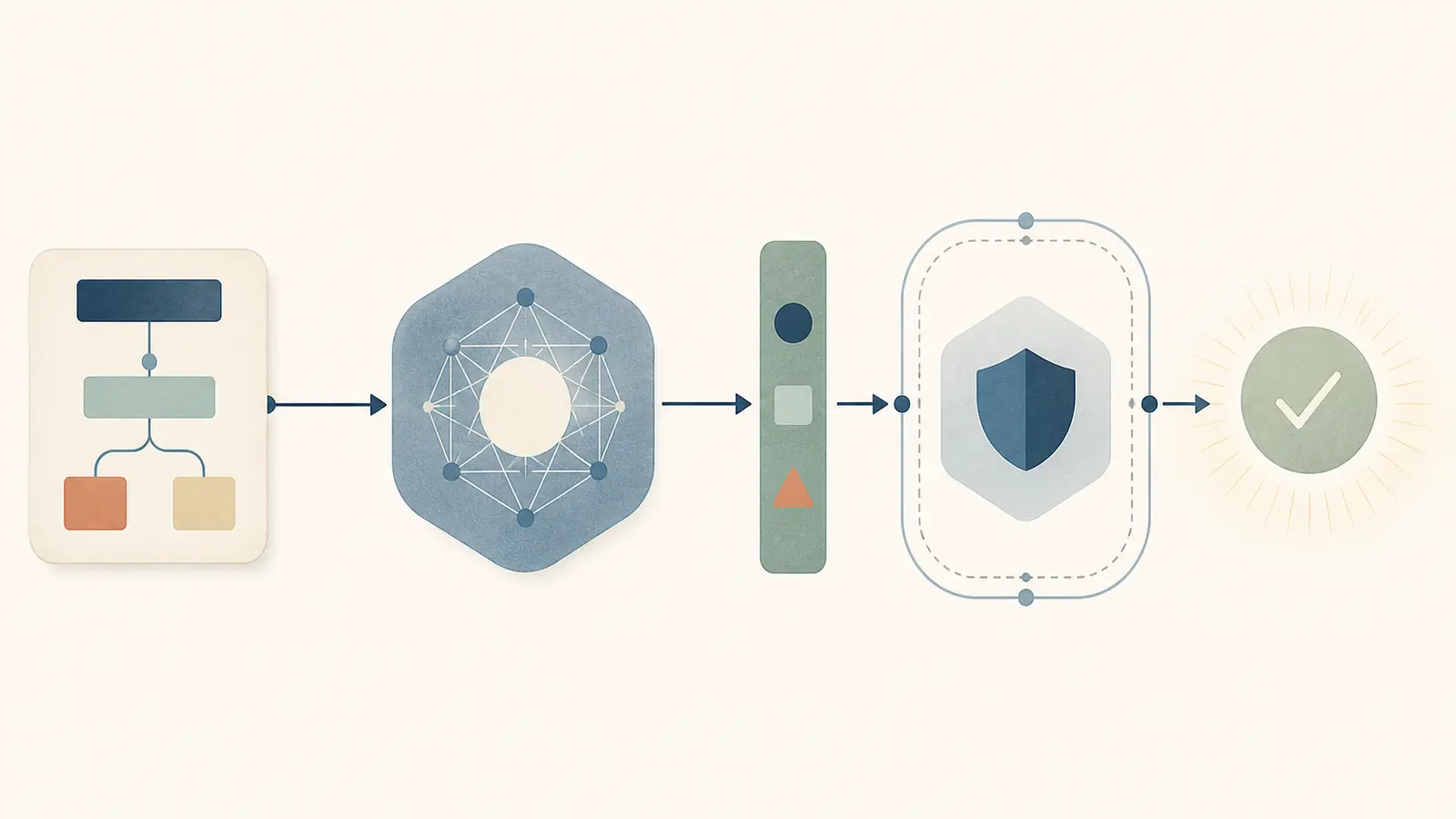
opportunity · 14 min
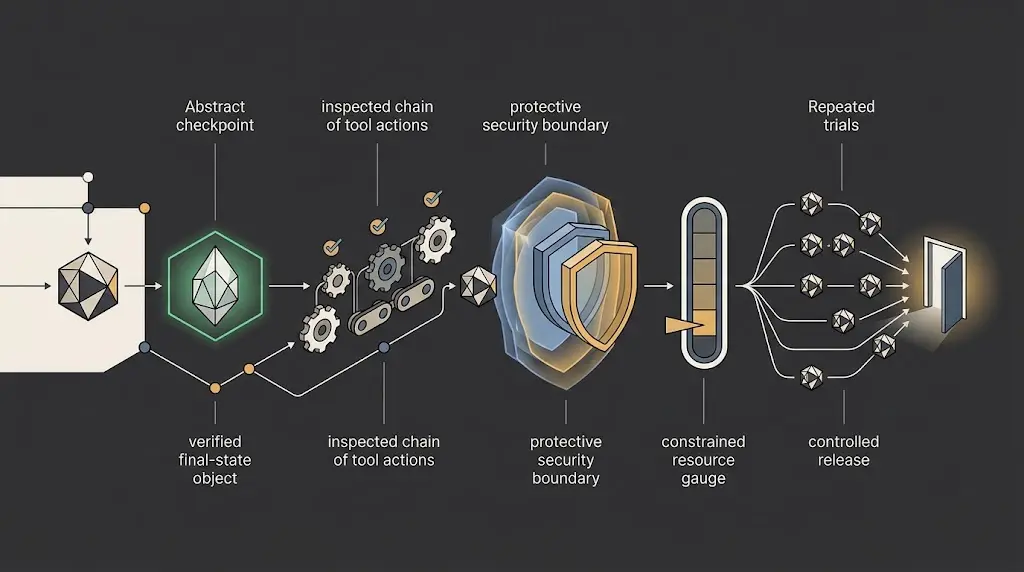
evaluation · 12 min

evaluation · 37 min
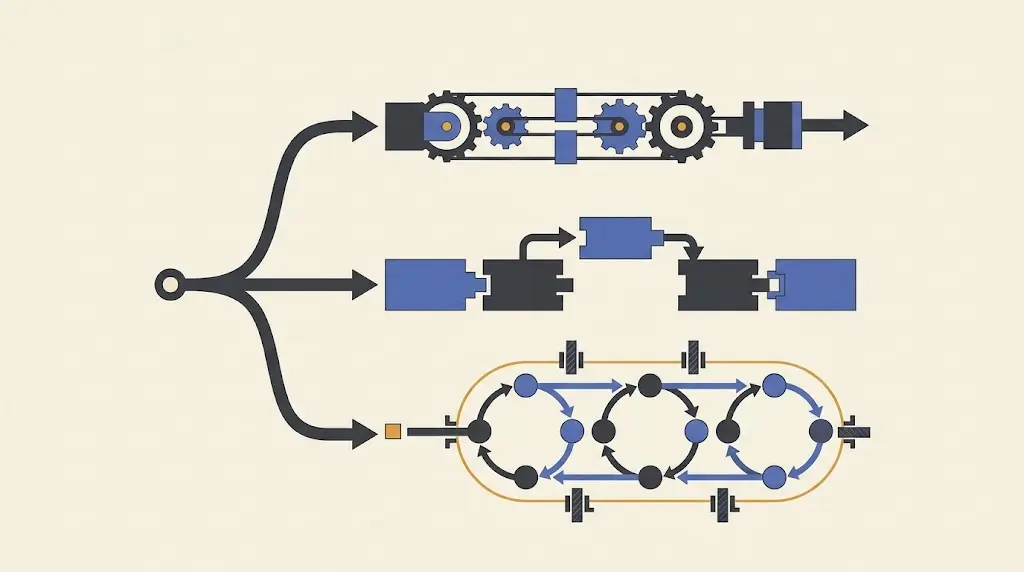
architecture · 9 min
Notes on building, learning, and technology.
335 published postsA versioned operator-agreement packet preserves reviewer evidence, disagreement, adjudication, AI reruns, and bounded release decisions.
AI patches fail review when intent, scope, and acceptance evidence stay implicit. A five-case paired diff shows what makes changes inspectable.
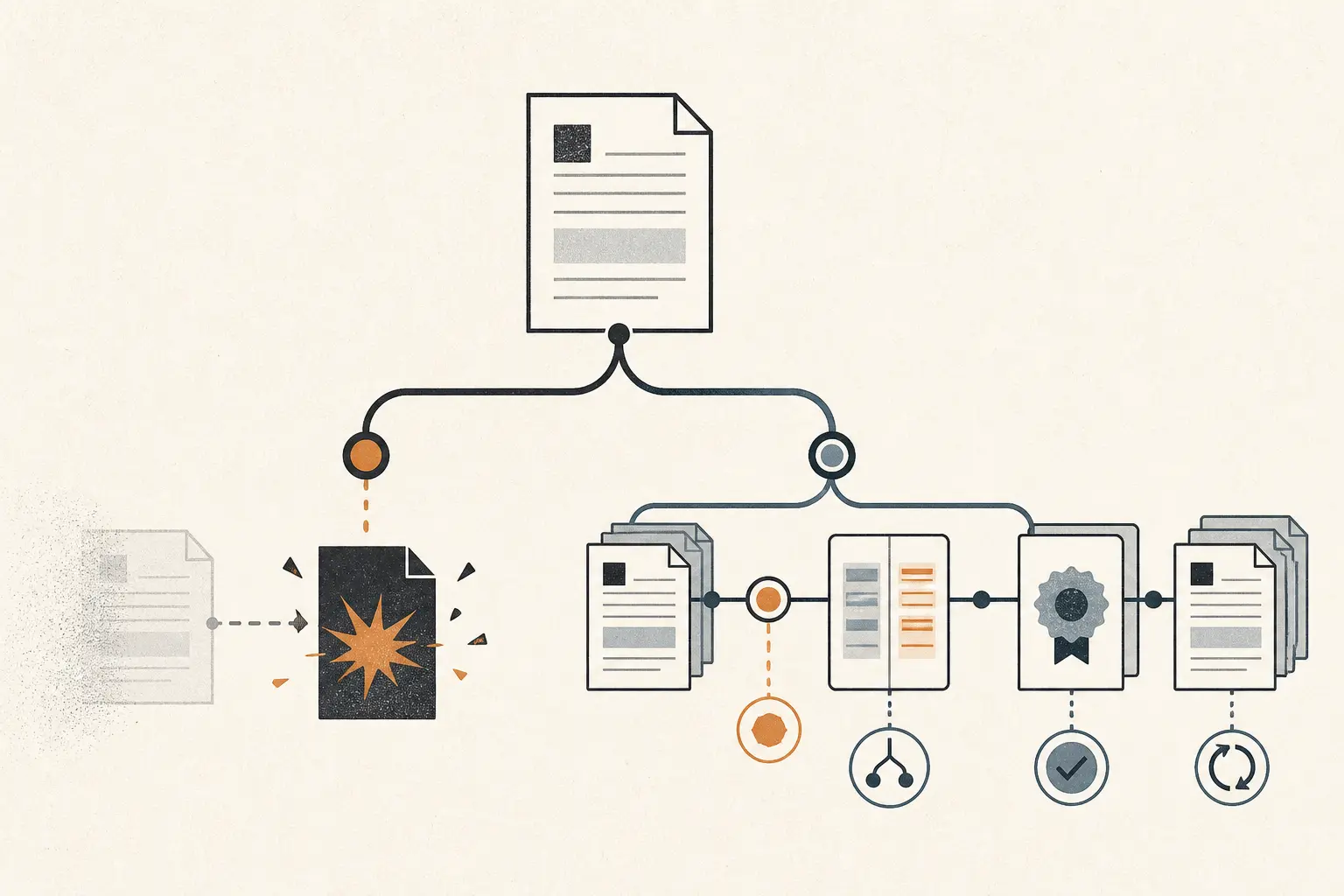
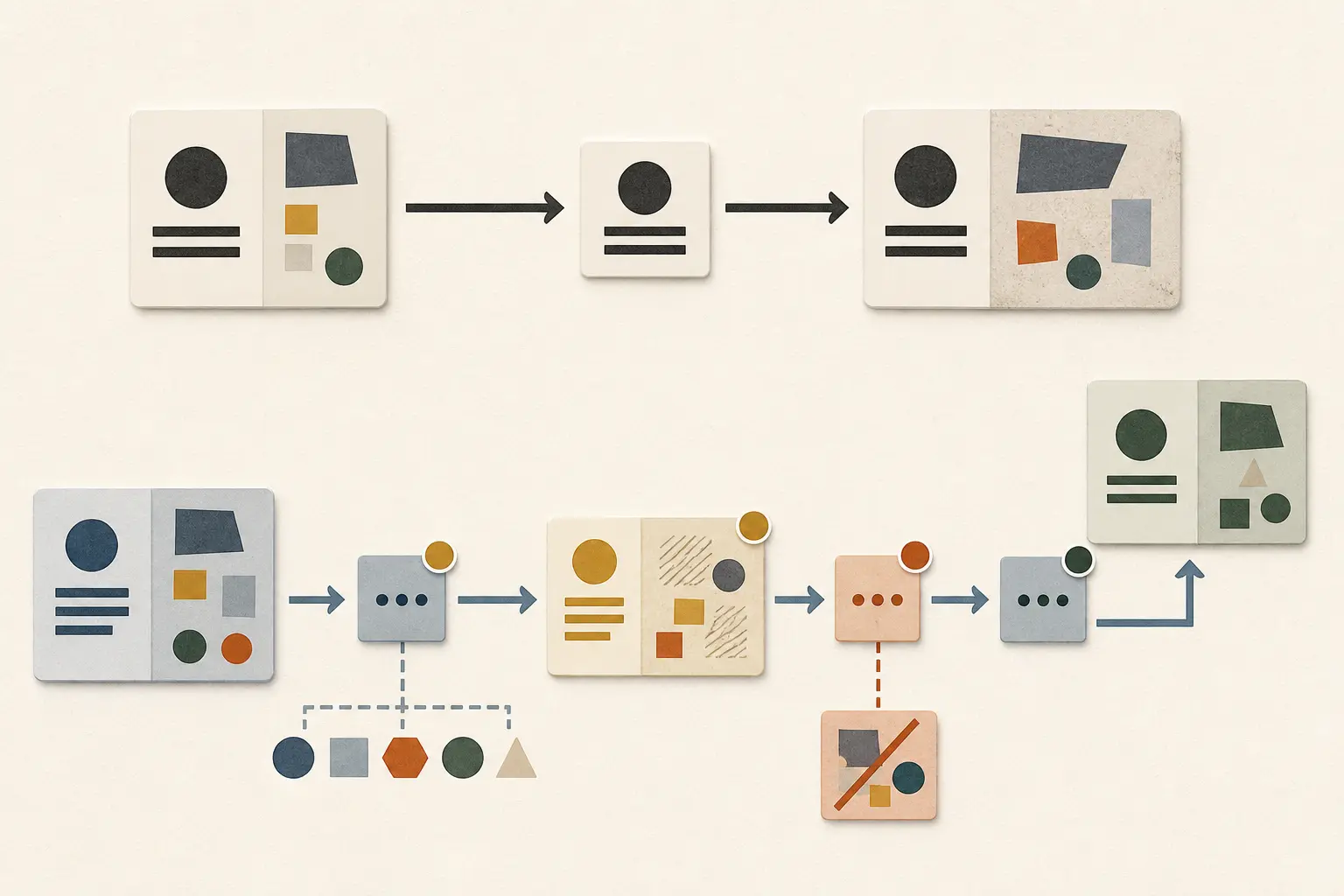
A 12-case fixture shows what overwrite correction destroys and which records a versioned AI workflow can replay.
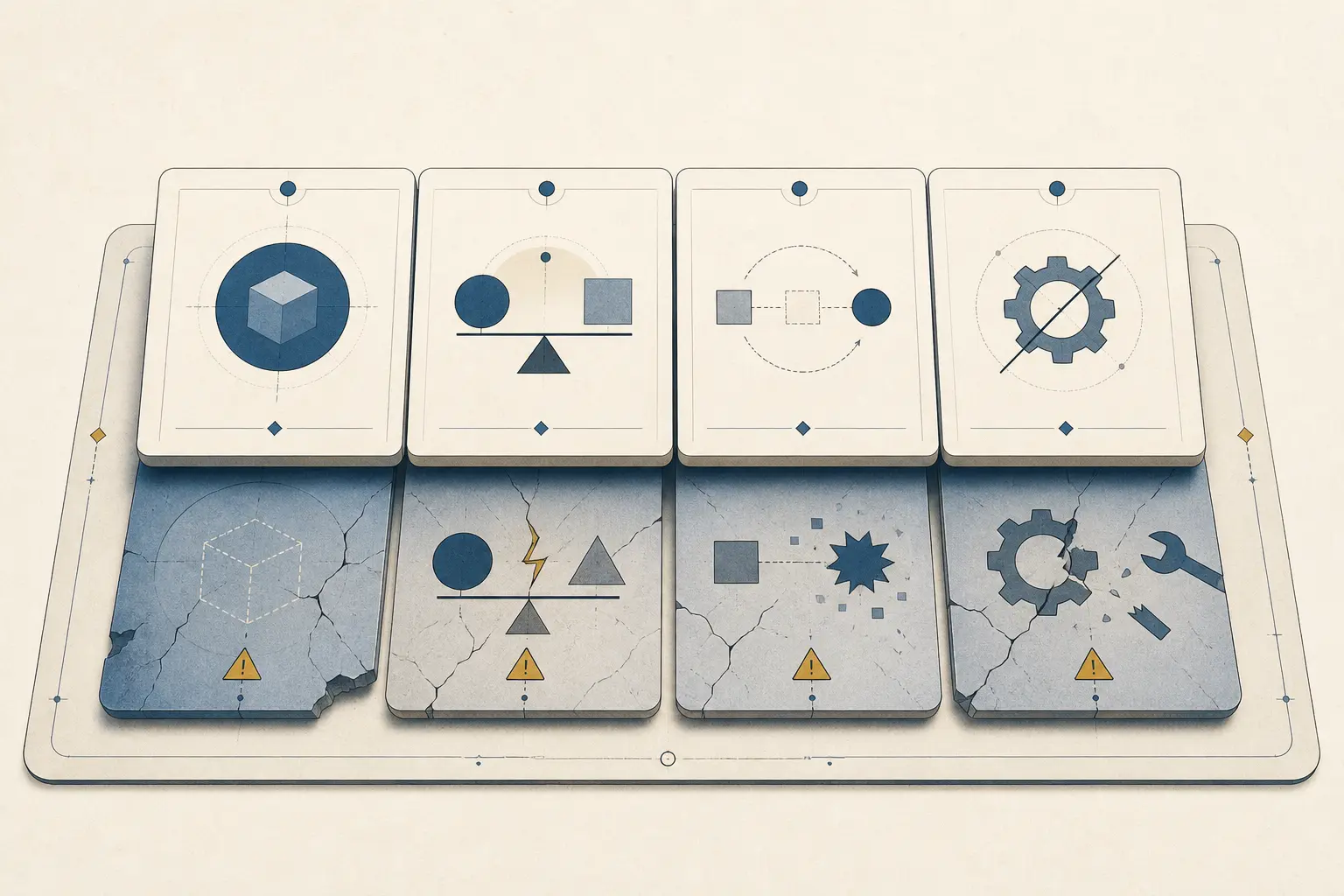
A 36-case blind-spot fixture shows how a passing authored suite misses contradictory evidence, stale state, and failed tools.
A paired direct-function and MCP test shows how to classify integration failures and assign repair ownership after a promising demo.
A reproducible routing fixture shows why one confidence threshold can auto-accept wrong cases, reject correct ones, and overload review.
A fresh session can lose more than chat history. Use this 8-task transfer test to separate missing context from model, tool, and stale-state failures.
A deterministic replay shows why delayed review creates stale AI actions, when async recovery works, and when both modes must stop.
A source-backed 10-row matrix for vendor onboarding exceptions, with verification tests, owners, expiry rules, and worked decisions.
A fixed 40-review audit shows why ratings alone create false contradictions. Use this evidence matrix before turning opposing feedback into a roadmap decision.
A reproducible MCP-versus-API test packet for permissions, traces, failure recovery, rollback, cost fields, ownership, and veto decisions.
A seven-case shadow-mode test shows whether risky AI actions fail in the model, the approval policy, or the tool executor.
A 24-case approval test shows how a green status can execute hidden exceptions, and what an exception-aware decision record must expose.
A small repeated-trial test shows when noisy, incomplete, contradictory, or weakly sourced inputs require cleaning, retrieval, rejection, or human review.
A reproducible queueing simulation shows when faster AI drafts create review delay, rework, and escaped errors, plus a routing decision table.
A 60-run fixture shows why rolling context misses drift and where typed step contracts catch it before silent downstream corruption.
A completed rehearsal shows how an operations manager can set AI approval boundaries, measure human load, and decide when a workflow is safe to expand.
Use a dated two-track fixture to test whether a product engineer can run, explain, correct, and safely hand off an AI workflow without the author's context.
A six-case synthetic replay shows what to learn, what to automate, and when recurring vendor-dispute evidence still needs a specialist.
A five-artifact rehearsal shows what compliance leaders should test before an AI intake pilot, what to correct, and what still needs authorized review.
A synthetic portfolio-reporting test shows the skills, evidence checks, failure cases, and vetoes an operator needs before owning AI-assisted reporting.
Approved AI actions can hit stale state when approval is treated as permanent permission. Revalidate the exact action, authorization, and record version before execution.
A pinned pricing-exception replay separates model mistakes from queue saturation and shows when to buffer, reduce automation, or keep a human gate.
A three-case fixture shows why AI cannot safely choose between conflicting CRM, billing, and support records without authority and abstention rules.
A five-case matched test shows how to compare tutor-led transfer with internal practice, including the failure, corrected rerun, and ownership gate.
Use a governed evidence packet and paired replay scorecard to decide whether AI can review pricing exceptions without owning approval.
Freeze a redacted escalation packet, compare AI actions with reviewer labels, and use a critical-failure veto before any customer-facing pilot.
A failure clinic for product teams: trace flattened feedback, repair the workflow with a conflict ledger, and verify every decision field before routing it.
A 20-question replay shows how a SaaS team can assign ownership, choose internal learning, workflow software, or outside capacity, and stop unsupported answers.
A nine-case replay fixture shows why schema compatibility is not migration evidence, and what to preserve before a go or no-go decision.
A three-pass worksheet tests whether AI-assisted work transfers to an unseen task, with a scored failure example and a decision about what to practice next.
A 12-case replay shows when pricing rules are enough and where AI can assemble a traceable approval packet without approving the deal.
A blinded four-check rubric and five-document review for finding unsafe language, shallow learning, and unowned postmortem actions.
A 12-case GA4-shaped test shows why model guesses lose to profiling, validation rules, and a clear next-owner decision after the demo.
A 30-row replay shows why questionnaire demos degrade: evidence is not yet scoped, fresh, owned, disclosable, or locked for submission.
A 20-case recruiting replay shows why happy-path scheduling demos break on state, conflicts, duplicates, and approval boundaries.
A worked scorecard ranks manual review, human-approved AI assistance, and autonomous renewal-risk actioning before a pilot.
Use a contract-intake worksheet to choose a product, build internal capability, or buy targeted help without mistaking vendor documentation for trial evidence.
A 12-fixture failure clinic gives teams a verification gate for meeting decisions, owners, dates, evidence gaps, and safe task handoff.
Replay a provider-neutral AI vendor approval packet after a demo to catch missing evidence, vague criteria, stale approval, changed actions, and timeout.
A reproducible replay shows why demo access fails later: identity binding, scope, approval, or downstream policy breaks first.
A 12-case synthetic run shows why plausible compliance evidence fails: missing provenance, freshness, validation, approval, and replayable traceability.
A fixed five-candidate test shows why demo confidence misranks AI roadmaps, then turns the rank changes into a go, test, defer, or stop record.
A six-case controlled test shows why transcript-only AI TNAs recommend training when the missing evidence points to workflow, policy, or tool repair.
Use a 12-case evidence matrix to choose continue, rework, alternate path, approval, or stop for customer onboarding exceptions.
Use a five-case approval-queue test to choose internal learning, outsourced implementation, or managed procurement, with a veto for missing ownership.
A reproducible 18-record workflow test shows what advisory, enforced, and exception-bearing policy revisions change in reachable actions and evidence.
A clean demo tests model output. A recurring portfolio report tests freshness, KPI definitions, identity, ownership, monitoring, exceptions, and review.
A synthetic 12-document test shows why clean contract demos break: OCR ambiguity, missing clauses, precedence, grounding, and schema failures.
A dated 12-query fixture shows how stale indexes and conflicting revisions break answers after a knowledge-base update, and when to hold release.
A 12-fixture replay shows why PR text is not enough for release notes, and when missing shipped-state evidence should stop generation.
A fixed three-task source-packet test shows the first post-demo break can be task definition, attribution, or review, not writing quality.
Choose application code, a policy decision point, or a workflow by testing policy changes, stale approvals, ownership, and rollback before you migrate.
Use one worksheet to preserve a production-weighted estimate while protecting rare, high-consequence cases from disappearing inside an average.
A worked 24-case fixture showing how to change workflow ownership, measure handoffs and reviewer effort, and choose go, hold, or revert.
A worked evidence ledger for incomplete workflow records, with a public 311 case and a sensitivity test that changes the decision.
Use a tested scorecard to connect one learner behavior to a legacy-system signal, delayed transfer check, owner, date, and disposition.
Use a shared calibration set, agreement evidence, and explicit risk costs to choose reviewers and set a defensible AI pilot gate.
Use a worked owner and writer matrix plus five replay cases to expose state failures before an AI pilot receives real permissions.
A 14-run local replay shows why approval queues break after the demo: stale payloads and duplicate delivery violate state invariants first.
AI score evaluators can reward confidence, fluency, or social proof instead of useful work. Use paired, work-preserving tests to expose the leak.
A runnable state-ownership test for policy versioning, replay, projections, compensation, duplicate delivery, and conflicting writes.
Use a pre-prototype scorecard to choose a safe, reviewable AI slice inside approval work without handing over the decision.
A worked conflict ledger shows how to classify competing values by definition, coverage, date, provenance, and fitness for the decision.
Use a versioned replay-fixture triage table to separate real failures from noise and choose what to continue, fix, defer, expand, or stop next quarter.
Use a demand window, rollback proof, observation window, and revert trigger to decide if an overloaded task is truly reversible.
Use a five-part scorecard, a baseline, and a Friday decision gate to measure whether a reversible AI task deserves more time.
A 28-case benchmark shows when exception branches create path and test debt, when a typed handler wins, and when recovery should escalate.
Use three adoption depths to budget AI enablement, workflow redesign, governance, and recurring capacity, with a worked stop/go decision.
A hands-on practice guide for choosing shared or isolated tenant workflows, carrying tenant context, scoping state, and testing action boundaries.
Build a no-op shadow harness that compares proposed tool calls with a human baseline before any business side effect is allowed.
A worked routing test shows when confidence thresholds justify review, redesign, or stopping after an AI prototype fails.
A reproducible one-owner experiment shows how to compare batch sizes by intervention catch rate, decision time, expiry, and attention cost.
A practical way to specify the right AI capability format, required artifact, safety boundary, and transfer check before you buy.
A 35-case fixture shows when an AI workflow may continue and when it must retry, compensate, quarantine, escalate, or stop.
Find the first boundary where an AI workflow drops, changes, stales, hides, or summarizes away a person's context before changing the model.
Turn one business case into a versioned AI workflow fixture with mocked dependencies, assertions, replay output, and a caught regression.
Build an AI evaluation plan that treats user disagreement as evidence: separate criteria, vetoes, adjudication, and judge calibration.
Set an AI autonomy boundary with a reliability-first scorecard before choosing a workflow, single agent, or multi-agent system for production.
Use five linked records to decide whether an AI opportunity deserves a reversible test, more discovery, or a stop before you fund a build.
A buyer-ready packet should expose the test, rejected alternative, errors, data flow, contract unknowns, and veto condition behind any AI platform recommendation.
A deterministic fault-injection test shows the first exception branch that breaks causal reconstruction, plus a trace rubric for deciding what to split.
Use a redacted five-task worksheet to detect when an AI implementation task needs a safety veto, with weighted scoring, review thresholds, and rollback evidence.
A blind-versus-visible enthusiasm test shows how a promising AI workflow can lose rank when the room rewards salience over evidence.
Run a 45-minute AI evaluation review with three cases, shared evidence, and an explicit SHIP or HOLD decision your team can defend.
Turn one recurring complaint into a bounded workflow hypothesis with a baseline, simpler alternative, test threshold, review boundary, and stop rule.
Require a bounded workflow, trusted data path, safe action boundary, replayable traces, evaluation baseline, and named ownership before an AI pilot.
A maintainable AI workflow gives its internal team a trace, owner, versioned contract, runbook, test, and rollback path after handoff.
A five-case deterministic fixture shows when verified evidence fixes an AI workflow failure, and when the real fault is the contract, permission, or evaluator.
Choose the first AI workflow to improve across competing team backlogs with a scorecard for queue pressure, handoffs, evidence, and risk.
A component diagram can show an AI workflow and still hide who decides, approves, operates, evaluates, and repairs it. Use this before/after test.
An answer can look right while the learner misses the decision. Use this two-case audit to test explanation, evidence, uncertainty, and transfer.
A 64-item release-gate experiment shows when small AI evals support ship, hold, or collect-more decisions, and why pairing changes the answer.
A reproducible rubric separates user impact, hidden wrongness, and recovery burden, then shows how the same AI failures move in four release queues.
A short six-case lab for deciding when to accept, investigate, escalate, or reject an AI output before it enters real work.
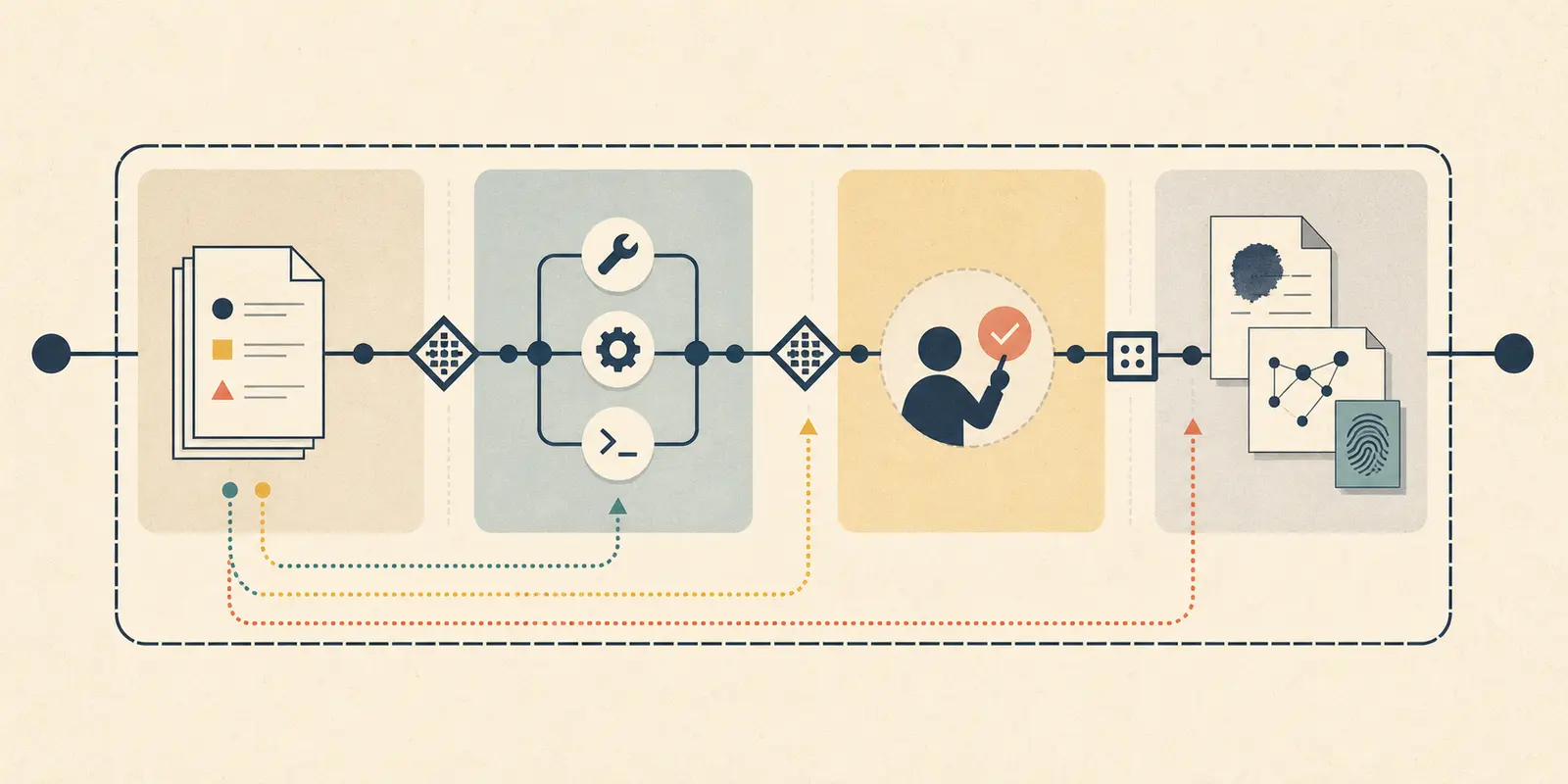
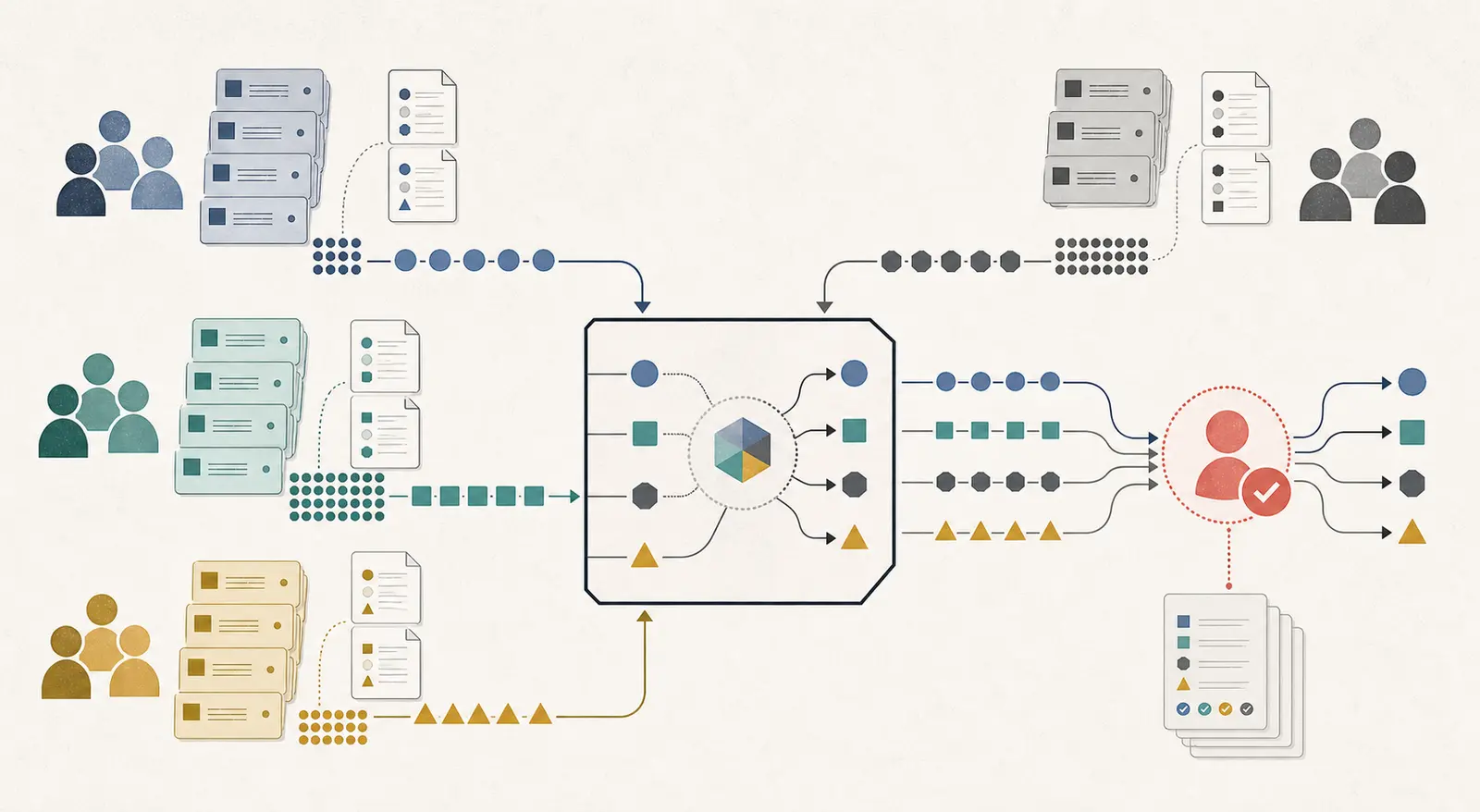
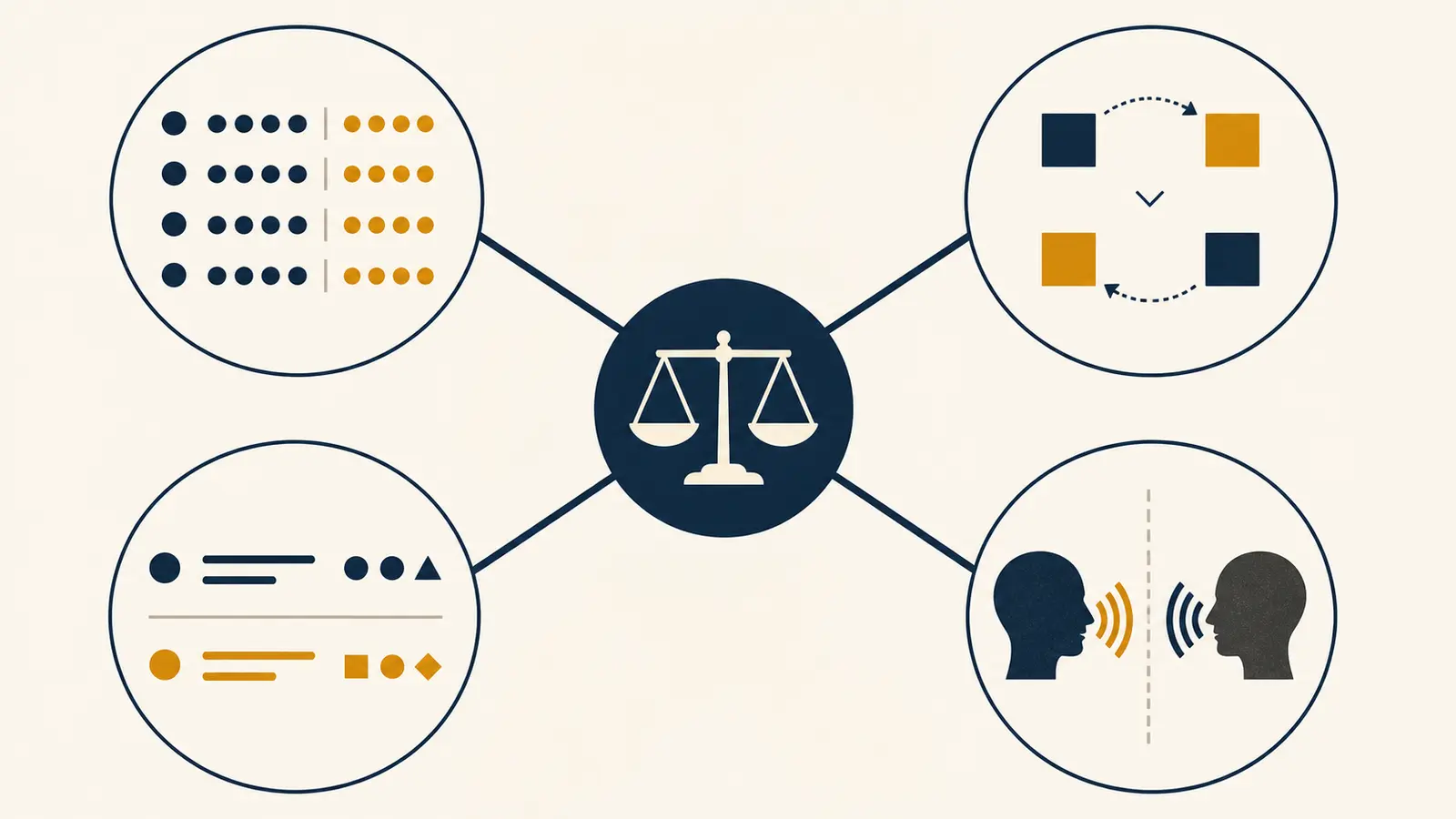
Run a defensible blind AI evaluation with domain experts using a sealed manifest, separate deblinding key, order-swap check, and bounded release decision.
Use a six-dimension scorecard to decide whether your team should learn an AI workflow, co-build it, or outsource the first implementation.
An AI agent run contract names its goal, inputs, state, tools, permissions, stop rules, evidence of progress, escalation path, owner, and retained trace.
A runnable worksheet shows when human review adds more queue demand than an AI workflow can absorb, and when threshold routing is safer.
Assess workplace AI task transfer with a five-dimension rubric, a decision record, and one changed condition that reveals whether the learner can adapt safely.
A small AI feature does not need a magic test count. It needs evidence for every promised behavior, risky boundary, and regression before launch.
Design AI tutoring around one decision the team must make alone, then test transfer with a baseline, exit test, and follow-up check.
An AI opportunity can depend on one operator's hidden judgment. Trace the dependency, repair it, and test whether the workflow is ready.
A practical, evidence-backed test for finding AI work where a wrong output can be caught, discarded, and corrected before it becomes an expensive business action.
Replace ‘knowledge transfer included’ with a clause, acceptance matrix, and five tests for independent ownership of an AI workflow.
A six-case fixture shows why useful AI evaluations measure evidence, uncertainty, actionability, and repair effort alongside answer accuracy.
Choose deterministic checks for extraction, pairwise comparison for recommendation, and rubric scoring for drafting, with human calibration when stakes demand it.
A 10-artifact audit shows where AI workshops confuse sponsors with workflow owners, then repairs the handoff with evidence and a stop condition.
A worked boundary diagram, ownership worksheet, and seven contract tests for keeping AI workflows outside systems of record.
A reproducible way to separate vetoes from preferences, aggregate stakeholder scores, and fund evidence when no AI opportunity has a shared winner.
Score AI task judgment separately from prompt quality with a paired decision trace covering framing, output checks, assumptions, and justification.
Use this eight-check handoff scorecard to decide whether an AI workflow boundary is ready for release or still missing state, ownership, and outcome evidence.
Use a six-dimension matrix to decide whether AI should automate execution, support the operator decision, or stay human-led first.
A six-case replay shows how turning user corrections into regression cases catches failures a generic output check passes before launch.
A reproducible four-case fixture shows why an AI prototype can pass its task while ownership, authority, or source-of-truth conflicts stop the workflow.
A scored six-field audit shows why a working AI demo can leave no confident internal owner, and when to accept, remediate, or stop the handoff.
A filled worksheet for turning an AI feature's user interaction, approval, recovery, and concurrency needs into a request and status contract.
Research team-decision AI evaluation with a bounded packet that separates output scores, disagreement, outcome evidence, and the final GO, HOLD, or STOP call.
Run a two-reviewer AI evaluation calibration with blind labels, disagreement categories, a rubric edit, and a fresh holdout check.
A worksheet for separating AI exposure from usable capacity by checking outcomes, task boundaries, review, exceptions, and cash-realizable value.
A non-engineer can operate an AI workflow safely when they can define its boundary, contract, controls, verification, and recovery path.
Use this decision worksheet to choose one AI champion, distributed role practice, or a hybrid based on risk, workflow variance, scale, and capacity.
AI implementation quotes often price the model feature first. Use this ten-surface worksheet to expose integration, adoption, rollout, and ownership work.
A workflow-assumption audit shows why technique-trained professionals miss undefined outcomes, handoffs, exceptions, owners, and verification gates.
A demo is not proof. Use five evidence layers, a small task test, and hard vetoes before funding the next AI step.
A worked decision-boundary map and fail-closed validator for deciding what an AI workflow may observe, propose, route, or execute.
Choose a bounded AI first release with a real fallback, clear ownership, approval limits, and evidence that tells you whether to expand.
Use a seven-field gate to decide whether your next AI budget should fund opportunity discovery, task-linked training, or both.
Use a worked six-opportunity scorecard to choose one safe, testable AI investigation for a 20-person company.
A reproducible worksheet for pricing human exception work, calculating gross versus net AI value, and deciding when to go, narrow, or reject.
A local replay fixture keeps four AI test cases fixed, then exposes failures caused by state, latency, retries, budget, and bursty concurrency.
A faster AI step can still slow the workflow. Use this bounded trace to find whether review, exceptions, rework, or queue delay is creating the extra work.
A worked matrix for choosing RAG, workflow, single-agent, or multi-agent architecture when ownership, approval, and execution paths change.
Choose an AI learning project with a real workflow, visible proof, test cases, human review, an owner, and a stop rule.
A complete sandbox exercise for practising AI judgment: baseline frame, synthetic task, AI trace, verification rubric, failure test, and go/no-go.
Run one sanitized operations process through a vague prompt and a structured worksheet, then score the failures before deciding where AI belongs.
A redacted evidence pack shows what a team should measure, preserve, and veto before expanding an AI workflow beyond its pilot.
Use this ownership worksheet to test whether your team can run, change, evaluate, recover, and retire an AI workflow before the consultant leaves.
A reproducible six-record test shows when typed extraction and policy-bound decisions justify an extra workflow stage.
A copied AI workflow can pass its demo and fail as soon as one constraint changes. Use this two-case exercise to find the hidden decision.
Reproduce an AI training transfer failure with paired cases, trace the first broken condition, repair it, and verify the fix on changed work.
A practical scorecard for comparing AI tutors by learner evidence, tutor behavior, operating controls, and commercial fit before procurement.
A bounded way to test whether a team can diagnose, change, evaluate, and safely escalate an AI workflow after outside help ends.
A founder's pre-funding packet for an AI workflow: baseline, representative tasks, end-to-end outcomes, human effort, cost, safeguards, fallback, and decision thresholds.
Use this claim-to-evidence matrix to test AI engagement outcomes against baselines, failure slices, costs, owners, and a clear stop rule.
A nine-case fixture shows when code, references, trajectories, latency, approval checks, and human review can replace an LLM judge at release.
A 30-task controlled reproduction shows how review, correction, escalation, and waiting turn a straight-through AI saving into an exception-aware estimate.
A runnable fixture shows how an ownership switch turns stale retrieval into wrong AI answers, citations, and tool decisions.
A practical matrix for comparing model calls, RAG, fixed workflows, and agents, including the questions a PM must take to engineering.
Choose the first AI purchase by the missing evidence: discovery, tutoring, or a bounded prototype, with vetoes for unclear outcomes and unsafe actions.
A deterministic fixture measures the code, state, persistence, test, telemetry, retry, and approval work added by three AI workflow exceptions.
A provider-free 10-case harness rehearsed reviewer decisions, missed vetoes, stale facts, tool failure, and exact-action drift before a sandbox write.
A vendor-neutral weekly evaluation packet connects regression cases, production traces, human calibration, operating notes, and a ship or hold decision.
Use a bounded cadence protocol to compare daily, weekly, and fortnightly AI workflow practice without pretending setup evidence proves retention.
A worked decision matrix and bypass test show when embedded checks stop being enough, and what the smallest passing policy architecture looks like.
A paired benchmark and shifted-set test shows how a higher score can hide more corrections, and which measurement to run next.
A reproducible paired-decision fixture shows how to join evaluator results, operator actions, outcome proxies, disagreements, and shipping gates.
Run a non-technical AI evaluation workshop with a real work sample, clear vetoes, independent scoring, calibrated disagreement, and a traceable scope decision.
A worked route-and-handoff worksheet for choosing AI delivery, internal learning, or a hybrid without losing operating ownership.
A three-case fictional test shows the meeting behaviours that turn a polished AI recommendation into a decision-ready product review packet.
Use a 30/60/90 scorecard and an owner-run failure drill to decide whether an AI workflow is ready to continue after the consultant leaves.
Use an unseen transfer task, source checks, and explicit vetoes to decide whether an AI learner can continue alone, needs tutoring, or must escalate.
A 32-case comparison shows when an AI workflow should prepare evidence, recommend an action, require approval, or execute within policy.
AI opportunity scores change when observation replaces a process story with the operator's real steps, exceptions, data access, and review burden.
A 12-fixture change-set benchmark compares fixed workflows, single agents, and orchestration on regression, repair effort, latency, cost, and traces.
AI tutoring can lift session performance without building independent capability. Use this transfer benchmark to test immediate and delayed unaided work.
Use a capability-transfer test to choose the narrowest AI workplace use a person or team can justify, with a veto for demos and tool fluency.
Use this six-decision matrix to explain an AI workflow's boundaries, trade-offs, owners, consequences, and verification evidence.
A worked 24-case launch packet shows which evidence can approve, hold, or stop an AI feature, including a failure that changed the decision.
Use a six-factor worksheet to decide when a capable internal team should reject AI implementation consulting and keep ownership inside.
Use five handoff tests to tell whether an AI consulting engagement transferred capability or only delivered a working demo and a folder of documents.
A promising AI use case often shrinks after workflow mapping because the pitch omitted an owner, handoff, data boundary, exception path, baseline, or acceptance test.
Use a four-condition ownership worksheet to decide whether your AI discovery sprint belongs with an internal team, a consultant, or both.
A practice packet turns useful-with-AI into observable checks: a baseline task, acceptable artifact, decision explanation, claim verification, and changed-case transfer.
A filled capability worksheet shows what to assess before an AI platform purchase, when capability work comes first, and the veto condition.
Choose one-off AI instruction for a bounded skill, then renew only when real work and an unassisted transfer check show the team still needs support.
Use a handoff matrix to decide whether an AI consultant should leave training, an operating system, or both, then test team independence.
After a first AI prototype, practice contracts, failure cases, traces, regression, and a narrow release decision before adding more features.
A handover acceptance test exposes the access, trace, ownership, change, and rollback gaps that a successful AI demo can hide.
AI training creates enthusiasm when a guided session rewards recognition. Test independent transfer on a changed task before calling it capability.
A public event-log worksheet turns variants, rework, returns, escalation, and unresolved traces into an automation boundary without pretending to measure human minutes.
Bound one AI issue, require a plan, test the diff, emit a change receipt, and stop unsafe scope before a human reviews the pull request.
A provider-neutral action contract and failure matrix for deciding what an AI workflow may run, stage, approve, compensate, or block.
Use one workflow, its owner, and its risk boundary to choose internal building, tutoring-led co-build, or external implementation.
Architecture skill means defining the job, choosing workflow or agent, bounding authority, and testing the result with evidence.
Product teams need an owned outcome, permissions, autonomy boundary, evaluation set, and operating owner before an AI agent can act in a real workflow.
A capability-transfer scorecard for proving an AI partner left the team able to perform, explain, verify, and improve the work alone.
A six-task ownership test shows why a workflow that works for its builder can fail when the next operator lacks decision rights, exceptions, and acceptance rules.
A reproducible fixture benchmark shows why suite size depends on mutation coverage, case selection, false alarms, and the held-out regression curve.
Build one bounded MCP read tool with typed inputs, tenant checks, output limits, structured errors, audit events, and misuse tests.
Make ambiguous CRM identity a no-write result. A synthetic trace shows merge-aware binding, confirmation, idempotency, and held-out abstention tests.
Use a custom API for one embedded client. Extract MCP when independent model clients or a reusable platform create real reuse, with security vetoes.
A reproducible route benchmark on synthetic business questions shows where SQL, RAG, and a hybrid router each answer, cite, or abstain.
A bounded qualitative taxonomy of what people get wrong before building AI automation, with provenance, correction exercises, and transfer checks.
A reproducible trace shows how OCR, model output, normalization, and persistence can all report success while a business field disappears.
Diagnose inconsistent LLM-judge scores by separating run variance, order bias, prompt sensitivity, and model disagreement, then verify the repair.
A small adversarial fixture reveals whether an AI reviewer measures task success or merely rewards polished fields, with a repair and held-out audit.
A six-task deterministic audit shows when one LLM call is enough, when a second owns a real contract, and what a model run must measure.
A hidden-work ledger exposes review, exception, and maintenance minutes so you can compare an AI workflow with the manual task before you automate.
Learn AI evaluation by comparing blinded work outputs, scoring evidence, resolving disagreement, and making a release recommendation.
Build a human correction queue that preserves AI output, captures edits and reasons, rejects stale reviews, and blocks downstream writes until approval.
Use a review receipt, independent tests, security checks, and human approval to decide whether AI-generated code is ready to merge.
Use this buyer scorecard to test whether an AI training proposal builds role-specific capability, not just attendance, demos, or topic coverage.
A worked matrix for deciding which AI workflow checks belong in deterministic code, model judgment, or a human decision gate.
A controlled 26-question benchmark shows when chunking changes RAG answers, when overlap adds cost, and why the winner depends on document structure.
Use a role-specific work sample, failure repair, and transfer case to tell whether AI training created capability rather than attendance or confidence.
Build a field-level evidence packet for AI workflow outputs, with source spans, page references, freshness checks, reviewer status, and replayable tests.
Choose an AI workflow trigger with a scored worksheet for freshness, volume, consequence, and human availability, then test when the choice should change.
Define and validate a provider-neutral AI workflow result envelope with typed output, acceptance checks, side-effect policy, and explicit failure routing.
A matched 40-job experiment shows when sync is cheaper and when async earns its queue, status, retry, and recovery complexity.
Valid JSON can still contain wrong, unsupported, or unsafe values. Reproduce the first failing invariant and validate before side effects.
Diagnose an AI review backlog with queue math, a reproducible failure trace, and repairs that reduce work without bypassing unsafe cases.
Calculate AI platform TCO with a reproducible model for usage, people, controls, support, and exit across platform, internal, and consultant builds.
Use a deterministic write gate to let an AI agent update only approved CRM fields, reject stale records, and pause consequential changes for review.
A bounded preflight result and rerunnable method for measuring how prompt context changes AI workflow cost per accepted task.
A bounded audit of seven gateway-latency claims explains what direct comparisons can prove, what mock tests hide, and how to run the next test.
Build a RAG evidence gate that answers only when claims are covered by allowed, current, non-conflicting context, then test every refusal path.
Use a four-input task matrix to keep judgment, authority, and hard-to-reverse business actions human-owned while AI handles bounded preparation.
A four-defect retrieve-filter-structure-report fixture shows why passing step tests can still produce a wrong final artifact, and how boundary assertions repair it.
A reproducible trace shows how to find the first staging-to-production divergence and repair one model, config, data, permission, dependency, or upstream mismatch.
A five-task deterministic audit shows when orthogonal tools stay harmless, when overlapping schemas create ambiguity, and how to test a real agent honestly.
There is no universal percentage. Use a structured brief when it makes missing acceptance rules explicit, then measure task success, edits, cost, and latency on work.
Build a dry-run path for an AI agent that previews intent and diffs, binds approval to an exact proposal, and proves execution matched the change.
A rerunnable 40-case fixture shows how to map raw AI confidence to observed correctness, fit a post-hoc calibrator, and set review capacity.
A six-control matrix for deciding what belongs in model instructions, deterministic application logic, or a shared policy service.
Map normal inputs and exception paths, score their consequence and detectability, then choose the safest automation boundary before building.
Use a buyer-side AI pilot handoff packet with eight artifacts, named owners, acceptance tests, a transfer exercise, and a written next decision.
A small classifier fixture shows why clean examples mislead, which repair layers help, and when abstention is safer than a forced label.
Build a runnable before-and-after test for AI tutoring transfer with matched forms, independent near and far tasks, rubric calibration, and a go/no-go gate.
A bounded failure clinic for reproducing an AI approval failure, locating the first side effect, and verifying the repaired checkpoint before release.
A source-linked audit of 13 reporting designs, with a scorecard and template for turning portfolio exceptions into funding decisions.
Schema-valid AI output can still violate workflow invariants. Reproduce the failure, name the first failed check, and reject it before state changes.
A practical evidence packet turns AI training transfer into a reviewable record with cases, a rubric, a trace, a correction, and a decision boundary.
A founder-sized observation packet ranks customer workflows by recurrence, consequence, handoffs, reviewability, and reversible action before AI enters the plan.
A paired fixture shows why an accepted final state can still make AI incident evidence expensive to reconstruct and review.
A six-cycle fixture test shows why a fluent recurring report can fail when columns, labels, dates, and exceptions change.
Use one safe weekly task, a fixed review rubric, and four logged cycles to decide whether AI practice is worth keeping.
A bounded fixture compares how much decision context human reviewers need across final-only, decision-summary, and expandable-trace surfaces.
A reproducible eight-case fixture shows how to preserve source authority, expose conflicts, and abstain when mixed-source evidence cannot establish current state.
A buyer-run rehearsal tests whether the incoming owner can rerun, change, recover, and accept an AI capability before handover.
A fixed ten-case replay shows how to test automatic routing against explicit rules and one capable path before adding another architecture layer.
A five-source audit defines the evidence packet an AI training program should collect before claiming workplace readiness for an individual.
A buyer-ready scorecard for turning a qualitative AI tutoring goal into proxies, pilot evidence, privacy checks, and a stop or renew rule.
A dated red-team matrix shows why AI proposals transfer the build more clearly than the monitoring, training, incident, and exit work.
Run one bounded change through baseline and changed cases, approval, fallback, and rollback checks before an AI workflow goes live.
A three-pair, low-risk packet shows whether an AI learner can carry a decision rule to changed work after hints fade, with saved evidence and a rubric.
Turn workflow failures into pinned replay fixtures with verified outcomes, named hypotheses, and CI results you can inspect before release.
A bounded field note and worksheet for checking whether an AI workshop transfers to a changed task through explanation, prediction, verification, recovery, and judgment.
A disclosed synthetic replay sets four release metrics for legal invoice AI and shows why 77.8% line recall is still a no-go for supervised review.
A trace-backed routing matrix for choosing query-first, model-first, or fixed-route AI workflows when structured data is involved.
Use a bounded observation to choose a reversible finance AI slice. A 30-run fixture shows why checkpointed work belongs before irreversible writes.
A 12-case method demonstration shows why safe workflow throughput beats model scores when choosing one AI pilot success metric.
A 20-case workflow test shows how a better task score can add sequential calls, review turns, and decision latency. Use the matrix before rollout.
A reproducible handoff test shows how hidden workflow assumptions turn a small AI maintenance change into an unsafe routing decision.
A reproducible benchmark compares blocking review with durable pause/resume routing across same-zone, overlapping, and non-overlapping reviewer schedules.
Measure AI correction burden beside initial pass rate by recording detection time, correction time, cycles, final quality, and task completion on paired workflow cases.
A capability-first kickoff leaves a buyer with an owned workflow, a safe first test, a review date, and a handoff the team can repeat without the consultant.
Turn frontline interviews into one bounded AI experiment with a manual baseline, approval gate, falsifier, stop rule, and rollback path.
A read-only rehearsal packet for qualifying sales proposals with AI, including synthetic cases, abstention rules, and human review.
Use retrieval for approved knowledge, tools for live state, and both when one answer must join policy evidence to a current system result.
A 20-case harness compares embedded policy logic with a versioned policy layer across thresholds, exceptions, permissions, and approvals.
A wording-swap fixture verifies whether an AI evaluator tracks task outcomes or raises scores for persuasive language without better work.
A matched-task test shows how to tell capability transfer from a working handoff before buying AI tutoring or lightweight implementation.
Use a workflow runtime, not the model, to own facts, writes, retries, approvals, and recovery. This matrix and fixture make the boundary testable.
Build a provider-neutral AI workflow audit trail with correlated spans, approval events, version fields, redaction, and a UI-free reconstruction test.
Build a queue-backed AI workflow with durable job records, restart recovery, bounded retries, timeouts, artifacts, and a tested dead-letter path.
Score an AI pilot by what you can export, price the exit before signing, and protect the handoff when a vendor owns the fast path.
Use a 12-row worksheet to verify prompts, files, caches, abuse logs, deletion, and model-improvement use before an AI vendor sees sensitive work.
Grade an AI output against a rubric built from real work, with separate criteria for fidelity, usefulness, risk, format, and the next intervention.
Learn AI workflow debugging by tracing a small failure, finding the first invalid artifact, repairing it, and proving the fix on a new case.
Use a weighted scorecard, veto path, and sensitivity check to decide whether an AI capability belongs inside an existing product, outside it, or nowhere customer-facing.
A reproducible fixture shows how a polished handoff can pass deterministic and LLM grading while a user still has to correct the work.
Build document AI as a provenance-first pipeline: preserve layout, extract into a typed contract, validate evidence, and route exceptions to review.
Compare AI models on representative business tasks with a reusable scorecard, hard vetoes, human checks, and cost and latency evidence.
Turn customer feedback into ranked AI product opportunities with a practical card, pre-score vetoes, and a reversible pilot decision.
A reproducible small-team protocol for measuring AI coding time, review, rework, tests, and accepted changes without inventing a productivity result.
A reproducible paired-context test for finding out whether a wrong RAG answer came from missing evidence or bad use of available evidence.
Build a small authored test set, run it locally, reject critical failures, and keep synthetic evidence separate from what only production can prove.
Use a one-page hypothesis sheet, seven cheap tests, and explicit stop rules to separate real demand from AI novelty before you spend engineering time.
Use a workflow scorecard to choose a local LLM, an API, or a hybrid pilot based on data boundaries, workload shape, quality, and ownership.
A public-record failure test shows why polished AI summaries lose rationale, dissent, ownership, and uncertainty, then gives you a repair contract.
Product managers struggle to ship AI products when demos outrun the shipping contract: clear outcomes, tests, controls, ownership, and checks.
Turn noisy production traces into a private, replayable evaluation dataset with verified outcomes, deliberate sampling, and stable versioning.
A practical, evidence-backed way to normalize AI consulting proposals, expose missing acceptance evidence, and choose what to sign.
Design AI features that lose capability safely when models, data, or tools fail, with fallbacks, stop conditions, honest UX, and tests.
A practical method for measuring open-ended AI output with rubrics, pairwise review, human calibration, and outcome-based release gates.
Choose the next AI project by comparing business value, evidence, risk, effort, and learning value, then run the safest useful pilot first.
Roll out an AI feature with a release contract, representative evaluation, reversible exposure, live monitoring, and clear stop conditions.
Use four artifacts to decide whether one business process is ready for an AI pilot, ordinary automation, process repair, or no automation.
Write AI feature acceptance criteria around observable outcomes, evidence, boundaries, and a clear non-success path your team can test.
A practical recovery plan for replaying failed multi-agent workflows from durable checkpoints without repeating actions or hiding uncertainty.
Choose structured outputs for typed model responses, function calling for executable capabilities, and both when a workflow crosses both boundaries.
AI can classify and route low-risk tickets, but safe triage needs a narrow action boundary, untrusted-input controls, and human review for exceptions.
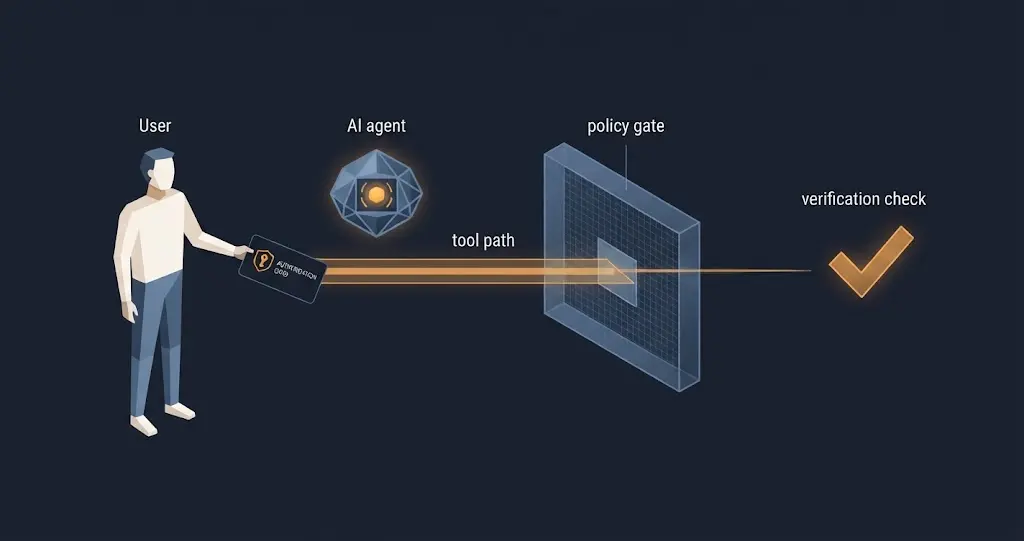
A practical rule for AI agents acting for users: preserve authority, limit effects, ask when needed, stop when scope fails, and verify outcomes.
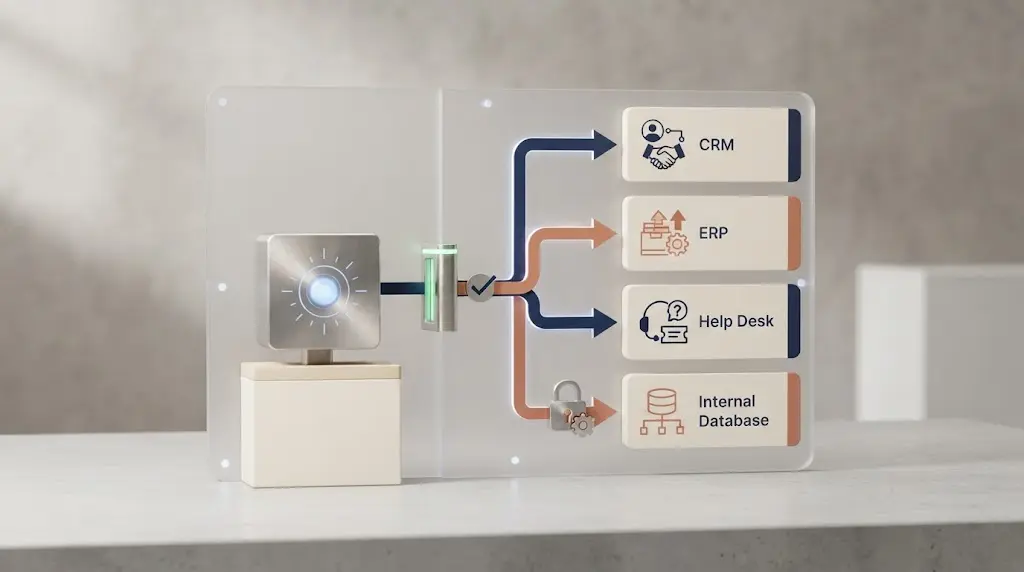
Connect an AI agent to existing business systems with a contract-first adapter, read-only pilot, approval-gated writes, and verifiable outcomes.
Turn a one-off AI workshop into a safe team habit with real work, retrieval, shared artifacts, manager support, and a 30-day follow-up loop.
Make an AI agent ask useful clarifying questions by defining a typed pause, blocking tools until the answer arrives, and testing when to proceed.
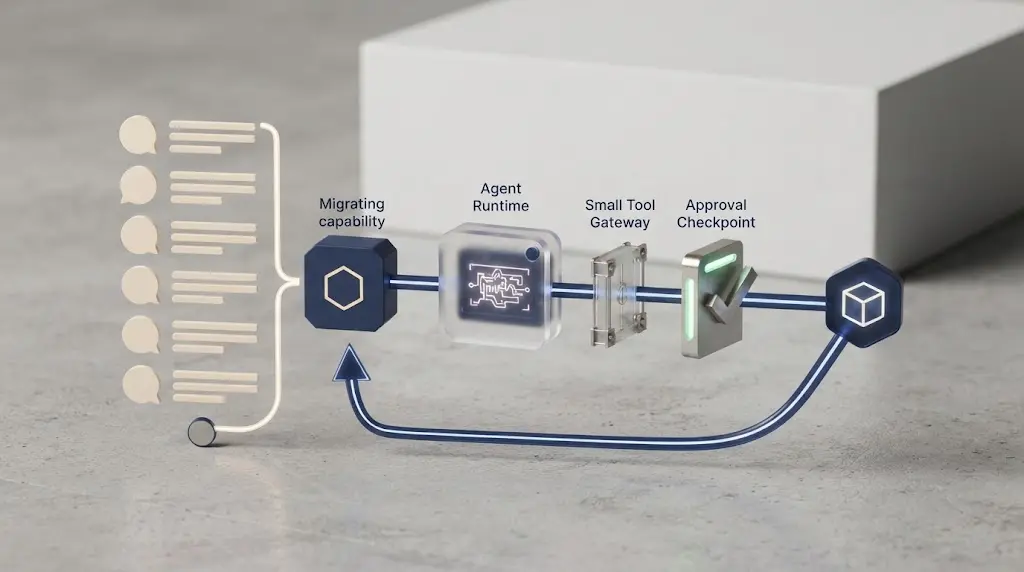
Migrate a chatbot to an AI agent in capability slices: preserve the working chat path, add one verified tool boundary, replay real conversations, and roll back safely.
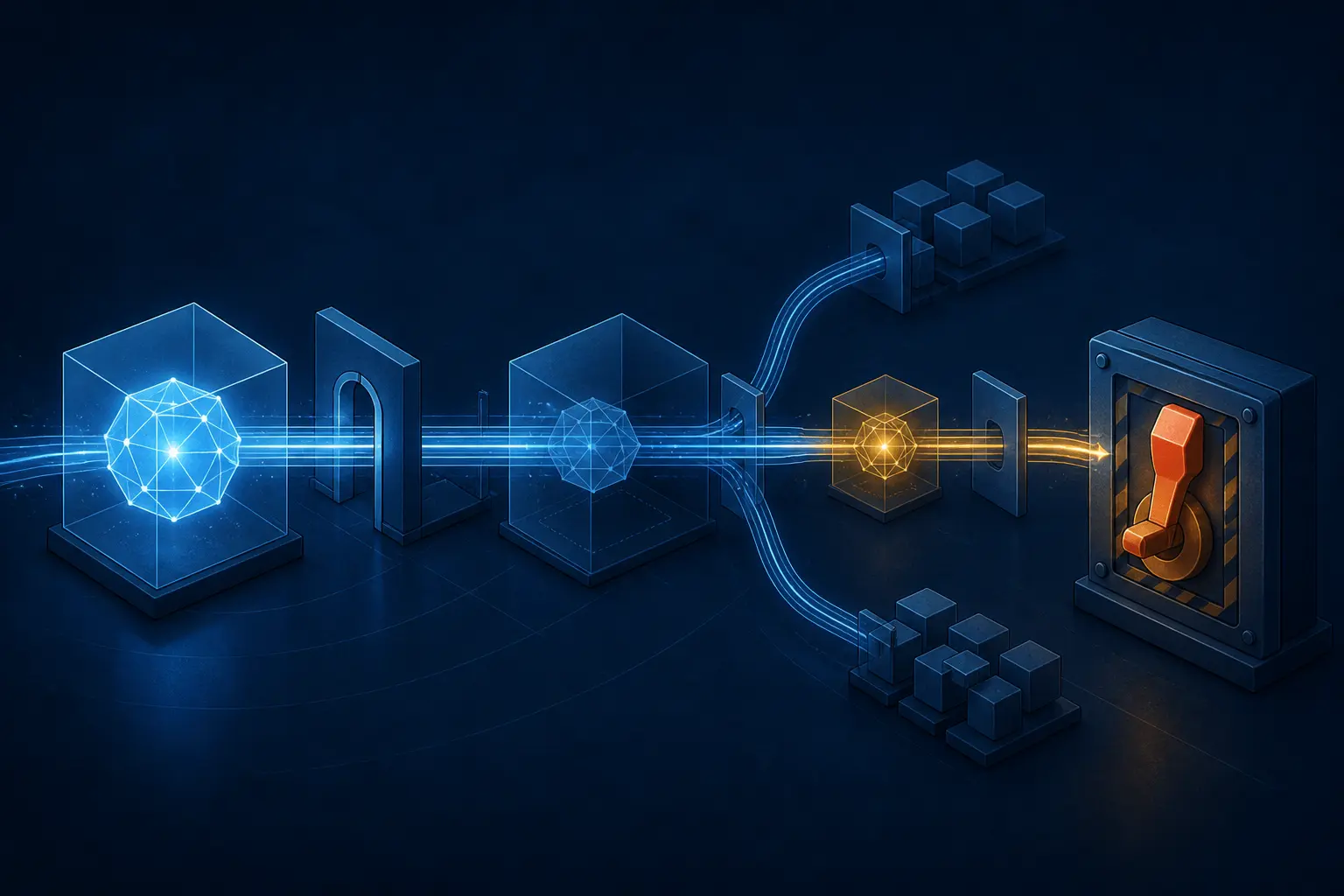
Roll out a new AI model safely with a frozen baseline, shadow or canary traffic, explicit stop conditions, and a rehearsed rollback path.
Use AI as a tutor, practice designer, reviewer, and retrieval partner while proving that you can perform a technical skill without it.
Build an AI agent design document around the job, boundaries, behavior, evidence, ownership, and release conditions before implementation.
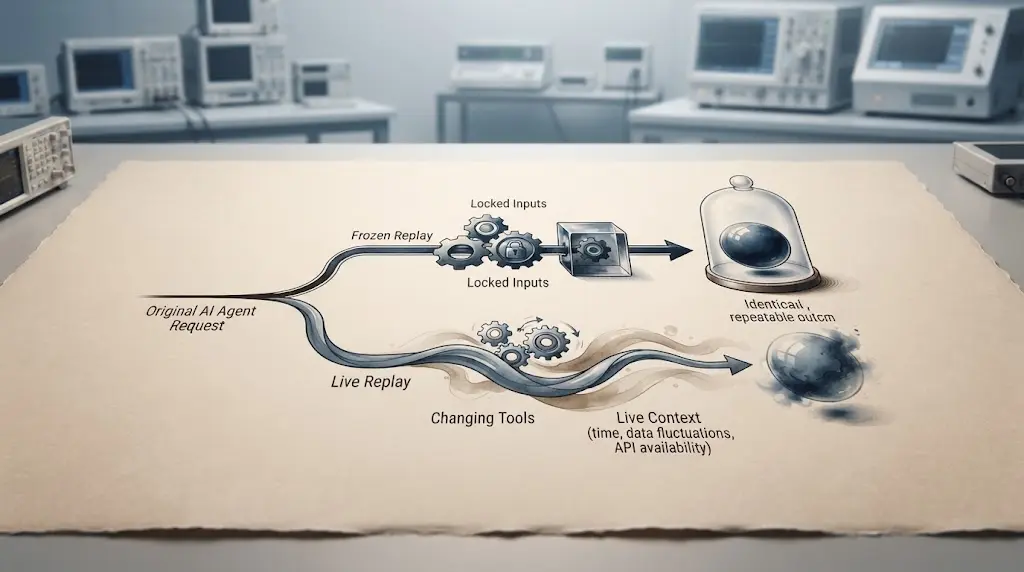
Diagnose inconsistent AI agent answers by separating sampling drift from changing context, tool results, retrieval, model versions, and unclear acceptance criteria.
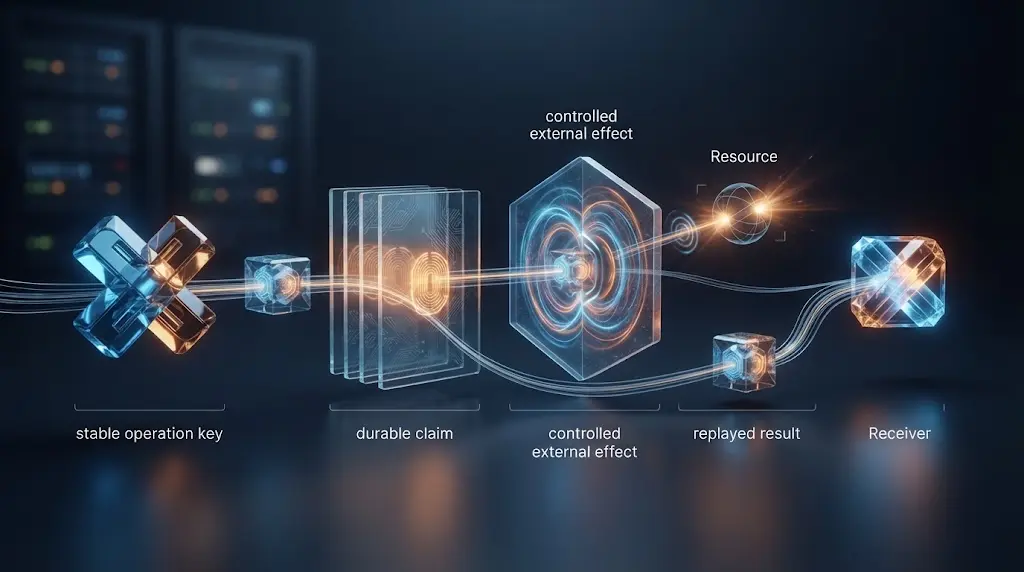
Design idempotent AI-agent tools that survive retries, crashes, and lost responses with keys, fingerprints, durable claims, replayed outcomes, and reconciliation.
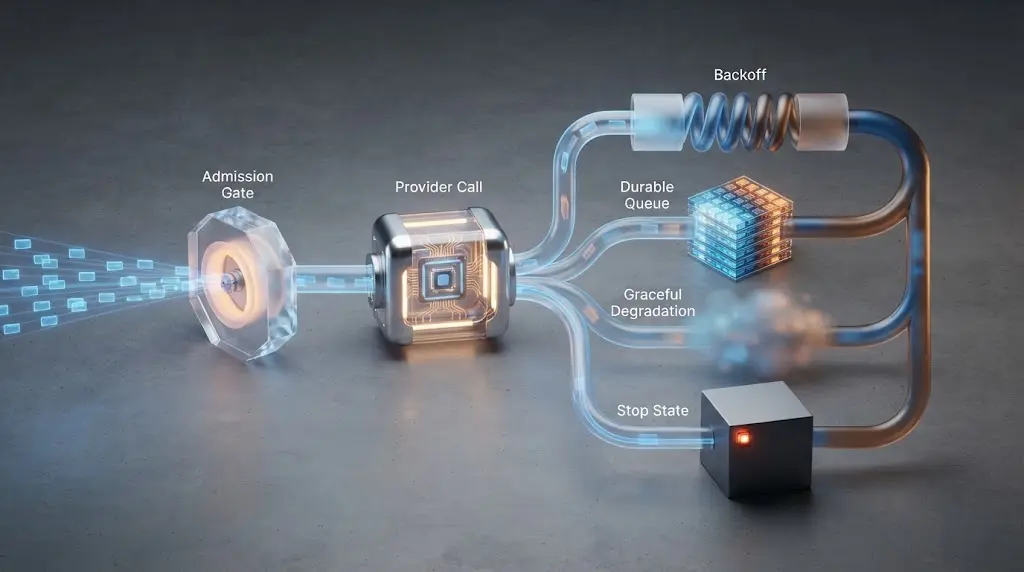
Handle AI agent rate limits with shared admission control, bounded retries, jitter, durable waits, and clear decisions to queue, degrade, or stop.
A practical MCP server security guide covering OAuth audience checks, tool scope, sandboxing, prompt injection, SSRF, supply chain, and audit controls.
Validate an AI agent run envelope for shape, meaning, authority, policy, and cost before the model or tools see it.
Version prompts like deployable behavior: pin the full runtime identity, test changes, promote by environment, trace every run, and keep rollback one pointer away.
Find the real source of fast AI-agent context growth, from tool schemas and long histories to retrieval bursts, then choose the right fix.
Find out why an AI agent ignores instructions by tracing authority, context, ambiguity, untrusted data, enforcement, and evaluation in order.
An AI agent can finish its conversation without proving your task happened. Learn to separate a final message from a verified result and add a completion contract.
Find the real cause of a slow AI agent by measuring first-token, generation, tool, context, queue, and retry latency, then fix the biggest stage.
A practical way to scope an AI agent’s identity, tools, operations, data, credentials, and time before it can touch a real system.
Calculate AI agent ROI with a real baseline, full lifecycle costs, attributable benefits, conservative scenarios, payback, and post-launch evidence.
Design an AI agent state machine with explicit state, guarded transitions, safe side effects, persistence, recovery paths, and tests you can run before production.
Prevent AI agent tool schema drift with one versioned contract, compatibility gates, executable tests, and runtime checks for stale tool definitions.
Scope an AI agent proof of concept around one workflow, a contained tool boundary, observable outcomes, representative tests, and an exit gate.
Set an AI agent budget from measured task cost, expected volume, tool limits, and outcome value, then enforce what happens when the cap is reached.
A practical control plan for stopping malicious or stale content from becoming persistent AI-agent memory and shaping later tasks.
Choose RAG for grounded answers, a fixed workflow for known steps, and an agent only when evidence must change the next search or action.
Find out why an AI agent picks the wrong tool by separating availability, description overlap, schema, runtime constraints, and misleading tool results.
Diagnose a looping AI agent with trace-first checks, verify real progress, contain runaway work, and add the right retry, recovery, or stop condition.
Choose the resourcing model that closes your real gap: a consultant for decisions, an agency for delivery capacity, or an internal team for permanent ownership.
Design multi-agent handoffs as bounded contracts for context, artifacts, authority, verification, and failure instead of passing loose transcripts between prompts.
A vendor-neutral schema for scoped AI-agent memory records, with promotion, retrieval, validation, expiry, and deletion rules.
Monitor production AI agents with a traceable run record, verified outcomes, action and safety signals, privacy controls, and a failure-to-evaluation loop.
A practical, vendor-neutral guide to reducing prompt-injection risk with trust boundaries, least-privilege tools, approval binding, and adversarial tests.
A practical build-versus-buy framework for choosing a packaged AI agent, a custom system, or a hybrid path without hiding the real operating work.
Start with one AI agent when one coherent context can solve the task. Split only for real parallel work, hard permission boundaries, or measured limits.
A practical test plan for multi-agent handoffs: check context, artifacts, authority, conflicts, retries, and replay before production.
Before using an AI agent, a business team should map the work, define delegation, check evidence, set boundaries, and name owners for improvement.
A practical boundary for deciding what an AI agent should remember, recompute, reference, or forget between tasks.
Learn the five foundations for building AI agents: workflows, LLM apps, tool contracts, runtime limits, and tests before choosing a framework.
A vendor-neutral framework for testing agent outcomes, tool use, security, cost, and stability before each release.
A vendor-neutral method for deciding which AI agent actions need human approval, binding each decision to the exact action, and testing the gate.
Use five hard gates to decide whether a workflow needs an AI agent, a fixed LLM workflow, or ordinary automation before you spend money or grant access.